
Sign up to save your podcasts
Or

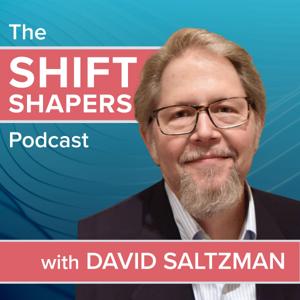

Pharmacy benefits shouldn’t feel like a black box. We sit down with Susan Thomas, Chief Commercial Officer at Lucy Rx, to unpack why drug costs keep rising and what it takes to build a benefit that serves patients and plans—not middlemen. Susan started as an oncology nurse and moved into PBM leadership, and that dual lens shows up in everything we cover: from the real-world stress of waiting days for an oral chemo to the hidden economics of rebate chains and vertically integrated networks.
We dig into the two biggest levers for change. First, formulary autonomy: instead of being locked to a single, opaque GPO, a marketplace approach lets employers compare multiple rebate contracts, see drug-level net cost, and choose the best path for categories like Humira biosimilars or GLP-1s. That shift enables utilization management that protects value without opening the floodgates. Second, network independence: when PBMs own specialty and mail, steering is inevitable. By contracting with integrated health systems for specialty and modern mail partners for home delivery, plans can speed therapy, reduce waste from 30-day auto-ships, and improve member experience at a lower overall cost.
We also talk fiduciary duty, policy momentum, and technology. Employers need verifiable net-cost math—not averages—to defend decisions in a post–J&J lawsuit world. Washington’s scrutiny is rising, and incumbents are signaling changes, but structural misalignments remain. On the tech front, AI-driven reporting and specialty navigation are already here, while precision medicine and pharmacogenomics promise to target high-cost drugs to the patients who will benefit most. The question is whether the industry will embrace smaller, smarter populations when volume shrinks and outcomes improve.
If you care about cutting pharmacy spend without compromising care, this conversation is a practical roadmap: ask for drug-level net cost, insist on formulary choice across GPOs, require independent specialty and mail, and set utilization criteria that put patients first. Subscribe, share this episode with a colleague who manages pharmacy benefits, and leave a review with the one PBM metric you wish you’d had sooner.
 View all episodes
 By David Saltzman

4.4
2020 ratings
Pharmacy benefits shouldn’t feel like a black box. We sit down with Susan Thomas, Chief Commercial Officer at Lucy Rx, to unpack why drug costs keep rising and what it takes to build a benefit that serves patients and plans—not middlemen. Susan started as an oncology nurse and moved into PBM leadership, and that dual lens shows up in everything we cover: from the real-world stress of waiting days for an oral chemo to the hidden economics of rebate chains and vertically integrated networks.
We dig into the two biggest levers for change. First, formulary autonomy: instead of being locked to a single, opaque GPO, a marketplace approach lets employers compare multiple rebate contracts, see drug-level net cost, and choose the best path for categories like Humira biosimilars or GLP-1s. That shift enables utilization management that protects value without opening the floodgates. Second, network independence: when PBMs own specialty and mail, steering is inevitable. By contracting with integrated health systems for specialty and modern mail partners for home delivery, plans can speed therapy, reduce waste from 30-day auto-ships, and improve member experience at a lower overall cost.
We also talk fiduciary duty, policy momentum, and technology. Employers need verifiable net-cost math—not averages—to defend decisions in a post–J&J lawsuit world. Washington’s scrutiny is rising, and incumbents are signaling changes, but structural misalignments remain. On the tech front, AI-driven reporting and specialty navigation are already here, while precision medicine and pharmacogenomics promise to target high-cost drugs to the patients who will benefit most. The question is whether the industry will embrace smaller, smarter populations when volume shrinks and outcomes improve.
If you care about cutting pharmacy spend without compromising care, this conversation is a practical roadmap: ask for drug-level net cost, insist on formulary choice across GPOs, require independent specialty and mail, and set utilization criteria that put patients first. Subscribe, share this episode with a colleague who manages pharmacy benefits, and leave a review with the one PBM metric you wish you’d had sooner.