
Sign up to save your podcasts
Or


This Indo-European, ancient Ukrainian ancestry in us. And this then, when coupled with all of these similarities in the mythological record, and particularly in the context of today's episode, MN and Manus, we can be very sure that these are just all separate vectors of evidence which all point to the same
which is that we all come from this Yamna community in southern Ukraine in some meaningful sense, in the sense that, yes, we, and if you're listening to this, you are an Indo-European, understand an Indo-European language, And you probably have ancient Ukrainian ancestry within you if you're indigenous or relatively indigenous from anywhere in the space between Ireland and India and your ancestors weren't some of the Turkic. Uralian migrants who came, who founded the Finnish part of the Estonian and the Hungarian people, then chances are you have this genetic ancestry in you. But just by virtue of using an Indo-European language, if it's your native tongue,
It's actually structuring your thoughts. You have this MN sound. You're using it in almost every sentence. And so this Manu and Manus coming from the common source like we do is that all of these... issues come from southern Ukraine. And that's the answer to the trick question of which came first, Manu or Manus.
And the point, the fact of the matter is the Yamna came first. And Yamna were so-called by Russian archeologists because they buried their dead in a pit grave. And we found these pit graves across Europe and different parts where they were associated with invasion a patriarchal society that replaced this old european society but the word
pit in russian which is an indo-european language is cognate with the word for womb and yemo and twin and so it's not um it's kind of circumstantially connected that we've ended up with an mn sound for the Yamna too, from whom this idea of Manu and Manus traveled, came from, emanated.
And we know this because of what I said before, which is that when we come across these similar sounds and meanings for the founders, say, of mythological traditions, It's either a borrowing, it's either a German visiting India and convincing them to use Manus, which evolves into Manu, or an Indian visiting Germany, or it's a coincidence.
But then we find so many other founders of mythological traditions in Indo-European languages in India. in Greece, in Ireland, in Celtic tradition, as well, who have mythological founders with this MN sound in their name. So then we come to the common source. And of course, MN is in common source.
And that sound or that expression comes directly from Sir William Jones's lecture in 1782 to the Kolkata Museum. Kolkata society in which he announces his discovery of the Indo-European family of languages. So the question we started with which was, which came first, the Germanic linguistic tradition or the Indic linguistic tradition?
is actually a quick trick question because neither did. It was the Yamna, it was the Indo-European in southeastern Ukraine, which came first and is the common source. And so we can use linguistics, we can use ancient genetics, we can look at archaeology, we can look at mythological, comparative mythology, and a whole plethora of different vectors of evidence,
which all point to the same truth, which is that the Indo-European, culture and all Indo-European languages which we speak today emanate from this same area around Kherson, around where the Russians are conducting their human safaris using drones at the moment. But we can also use the MN sound and that's the significance of what I have discovered in
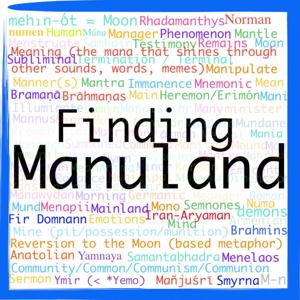
in and what I am telling you the story about in Finding Manuland as a world exclusive and I'll leave it at that for today and we'll come back and talk about more MN because I have at least about 25 other episodes planned and each of those
episodes opens up new episodes and new discoveries and I'm constantly traveling in this area between Ireland and India And I have many new discoveries which I haven't even reported to you yet. So all of that is coming. Thank you very much for your support.
Continued from:
First in series:
 View all episodes
 By Decoding Trolls
This Indo-European, ancient Ukrainian ancestry in us. And this then, when coupled with all of these similarities in the mythological record, and particularly in the context of today's episode, MN and Manus, we can be very sure that these are just all separate vectors of evidence which all point to the same
which is that we all come from this Yamna community in southern Ukraine in some meaningful sense, in the sense that, yes, we, and if you're listening to this, you are an Indo-European, understand an Indo-European language, And you probably have ancient Ukrainian ancestry within you if you're indigenous or relatively indigenous from anywhere in the space between Ireland and India and your ancestors weren't some of the Turkic. Uralian migrants who came, who founded the Finnish part of the Estonian and the Hungarian people, then chances are you have this genetic ancestry in you. But just by virtue of using an Indo-European language, if it's your native tongue,
It's actually structuring your thoughts. You have this MN sound. You're using it in almost every sentence. And so this Manu and Manus coming from the common source like we do is that all of these... issues come from southern Ukraine. And that's the answer to the trick question of which came first, Manu or Manus.
And the point, the fact of the matter is the Yamna came first. And Yamna were so-called by Russian archeologists because they buried their dead in a pit grave. And we found these pit graves across Europe and different parts where they were associated with invasion a patriarchal society that replaced this old european society but the word
pit in russian which is an indo-european language is cognate with the word for womb and yemo and twin and so it's not um it's kind of circumstantially connected that we've ended up with an mn sound for the Yamna too, from whom this idea of Manu and Manus traveled, came from, emanated.
And we know this because of what I said before, which is that when we come across these similar sounds and meanings for the founders, say, of mythological traditions, It's either a borrowing, it's either a German visiting India and convincing them to use Manus, which evolves into Manu, or an Indian visiting Germany, or it's a coincidence.
But then we find so many other founders of mythological traditions in Indo-European languages in India. in Greece, in Ireland, in Celtic tradition, as well, who have mythological founders with this MN sound in their name. So then we come to the common source. And of course, MN is in common source.
And that sound or that expression comes directly from Sir William Jones's lecture in 1782 to the Kolkata Museum. Kolkata society in which he announces his discovery of the Indo-European family of languages. So the question we started with which was, which came first, the Germanic linguistic tradition or the Indic linguistic tradition?
is actually a quick trick question because neither did. It was the Yamna, it was the Indo-European in southeastern Ukraine, which came first and is the common source. And so we can use linguistics, we can use ancient genetics, we can look at archaeology, we can look at mythological, comparative mythology, and a whole plethora of different vectors of evidence,
which all point to the same truth, which is that the Indo-European, culture and all Indo-European languages which we speak today emanate from this same area around Kherson, around where the Russians are conducting their human safaris using drones at the moment. But we can also use the MN sound and that's the significance of what I have discovered in
in and what I am telling you the story about in Finding Manuland as a world exclusive and I'll leave it at that for today and we'll come back and talk about more MN because I have at least about 25 other episodes planned and each of those
episodes opens up new episodes and new discoveries and I'm constantly traveling in this area between Ireland and India And I have many new discoveries which I haven't even reported to you yet. So all of that is coming. Thank you very much for your support.
Continued from:
First in series: