
Sign up to save your podcasts
Or

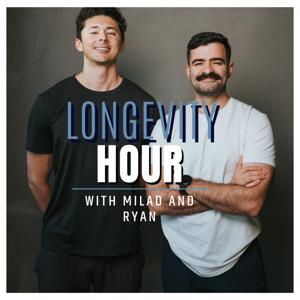

In this episode of the Longevity Hour podcast, Coaches Milad and Ryan discuss the concept of longevity in fitness, emphasizing the importance of training for functionality rather than aesthetics.
They explore the transition from traditional bodybuilding to functional training, share real-life applications of longevity training, and highlight the significance of maintaining physical activity after the age of 30.
The coaches outline the four pillars of longevity training—resistance training, flexibility and mobility, prehab training, and cardiovascular training—while providing insights on programming and recovery strategies. They conclude with a sample weekly training plan and personal reflections on the coaching process.
Takeaways
Longevity in fitness focuses on functionality and quality of life.
Training for longevity doesn't mean sacrificing aesthetics.
Real-life applications of training can enhance daily activities.
After age 30, muscle mass and strength decline without exercise.
Resistance training is crucial for maintaining muscle and strength.
Flexibility and mobility are essential for injury prevention.
Prehab training can mitigate the risk of injuries.
Cardiovascular health is vital for overall longevity.
Recovery, including sleep and stress management, is often overlooked.
Consistency and gradual progression are key to successful training.
Chapters
00:00 Introduction to Longevity Training
01:03 Defining Longevity in Fitness
06:10 Transitioning from Aesthetic to Functional Training
11:56 Real-Life Applications of Longevity Training
19:10 The Importance of Training After 30
25:04 The Four Pillars of Longevity Training
34:05 The Importance of Rest and Recovery
38:24 Understanding Flexibility and Mobility
44:00 Prehab Training: Prevention and Recovery
48:50 Cardiovascular Training Essentials
52:11 Optimizing Stress and Sleep for Recovery
58:25 Creating a Balanced Weekly Training Plan
01:02:25 Personal Growth and Mindfulness Techniques
 View all episodes
 By Tailoredfitpt
In this episode of the Longevity Hour podcast, Coaches Milad and Ryan discuss the concept of longevity in fitness, emphasizing the importance of training for functionality rather than aesthetics.
They explore the transition from traditional bodybuilding to functional training, share real-life applications of longevity training, and highlight the significance of maintaining physical activity after the age of 30.
The coaches outline the four pillars of longevity training—resistance training, flexibility and mobility, prehab training, and cardiovascular training—while providing insights on programming and recovery strategies. They conclude with a sample weekly training plan and personal reflections on the coaching process.
Takeaways
Longevity in fitness focuses on functionality and quality of life.
Training for longevity doesn't mean sacrificing aesthetics.
Real-life applications of training can enhance daily activities.
After age 30, muscle mass and strength decline without exercise.
Resistance training is crucial for maintaining muscle and strength.
Flexibility and mobility are essential for injury prevention.
Prehab training can mitigate the risk of injuries.
Cardiovascular health is vital for overall longevity.
Recovery, including sleep and stress management, is often overlooked.
Consistency and gradual progression are key to successful training.
Chapters
00:00 Introduction to Longevity Training
01:03 Defining Longevity in Fitness
06:10 Transitioning from Aesthetic to Functional Training
11:56 Real-Life Applications of Longevity Training
19:10 The Importance of Training After 30
25:04 The Four Pillars of Longevity Training
34:05 The Importance of Rest and Recovery
38:24 Understanding Flexibility and Mobility
44:00 Prehab Training: Prevention and Recovery
48:50 Cardiovascular Training Essentials
52:11 Optimizing Stress and Sleep for Recovery
58:25 Creating a Balanced Weekly Training Plan
01:02:25 Personal Growth and Mindfulness Techniques