
Sign up to save your podcasts
Or


Summary
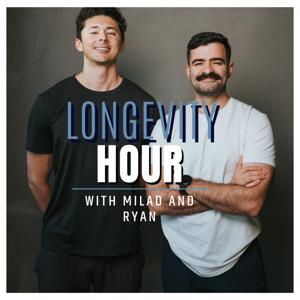
In this episode of The Longevity Hour, Coaches Milad and Ryan delve into the intricacies of fat loss programming, emphasizing the importance of both training and nutrition. They share personal anecdotes about dieting experiences, discuss the significance of energy balance, and outline effective workout strategies for fat loss. The conversation also highlights the role of cardio, strength training, and mobility work in achieving sustainable results. Listeners are encouraged to find enjoyable activities and maintain a balanced approach to fitness and health.
Takeaways
Training plays a significant role in fat loss.
Dieting can lead to a restrictive mindset and binge eating.
Energy balance is crucial for effective fat loss.
Incorporating cardio is essential for optimal results.
Strength training helps preserve muscle mass during fat loss.
Mobility work is important for injury prevention.
Sleep quality affects hunger and decision-making.
Periodization helps avoid plateaus in fat loss progress.
Finding enjoyable activities increases adherence to fitness routines.
Walking is a simple yet effective form of cardio.
Chapters
00:00 Introduction to Fat Loss and Training
03:10 The Slow Carb Diet Experience
05:57 The Psychology of Dieting and Cravings
08:54 The Importance of Nutrition in Fat Loss
11:59 Effective Workout Strategies for Fat Loss
15:07 Metabolic Conditioning Techniques
17:47 Understanding Supersets and Their Benefits
20:57 The Role of Resistance Training in Fat Loss
23:45 Incorporating Cardio for Optimal Results
30:30 Understanding Zone Two Cardio
31:52 The Importance of Periodization in Fat Loss
38:10 Strength Training: A Non-Negotiable for Fat Loss
41:01 Mobility and Recovery: Keys to Sustainable Fitness
48:12 The Role of Sleep and Stress in Fat Loss
52:04 Personal Reflections and Life Updates
 View all episodes
 By Tailoredfitpt
Summary
In this episode of The Longevity Hour, Coaches Milad and Ryan delve into the intricacies of fat loss programming, emphasizing the importance of both training and nutrition. They share personal anecdotes about dieting experiences, discuss the significance of energy balance, and outline effective workout strategies for fat loss. The conversation also highlights the role of cardio, strength training, and mobility work in achieving sustainable results. Listeners are encouraged to find enjoyable activities and maintain a balanced approach to fitness and health.
Takeaways
Training plays a significant role in fat loss.
Dieting can lead to a restrictive mindset and binge eating.
Energy balance is crucial for effective fat loss.
Incorporating cardio is essential for optimal results.
Strength training helps preserve muscle mass during fat loss.
Mobility work is important for injury prevention.
Sleep quality affects hunger and decision-making.
Periodization helps avoid plateaus in fat loss progress.
Finding enjoyable activities increases adherence to fitness routines.
Walking is a simple yet effective form of cardio.
Chapters
00:00 Introduction to Fat Loss and Training
03:10 The Slow Carb Diet Experience
05:57 The Psychology of Dieting and Cravings
08:54 The Importance of Nutrition in Fat Loss
11:59 Effective Workout Strategies for Fat Loss
15:07 Metabolic Conditioning Techniques
17:47 Understanding Supersets and Their Benefits
20:57 The Role of Resistance Training in Fat Loss
23:45 Incorporating Cardio for Optimal Results
30:30 Understanding Zone Two Cardio
31:52 The Importance of Periodization in Fat Loss
38:10 Strength Training: A Non-Negotiable for Fat Loss
41:01 Mobility and Recovery: Keys to Sustainable Fitness
48:12 The Role of Sleep and Stress in Fat Loss
52:04 Personal Reflections and Life Updates