
Sign up to save your podcasts
Or


Summary
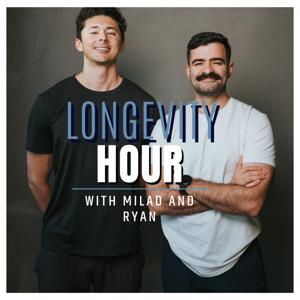
In this conversation, Coaches Milad and Ryan discuss the myths surrounding nutrition and dieting, emphasizing the importance of mindset, sustainability, and the role of caloric deficits in fat loss. They explore various restrictive diets, the significance of protein, and the impact of stress and sleep on weight loss. The coaches provide practical advice on meal planning, tracking progress, and adopting qualitative approaches to nutrition, ultimately advocating for a balanced and sustainable approach to fat loss.
Takeaways
Nutrition for fat loss is not just about food; it's also about mindset.
Restrictive diets like carnivore and potato diets can be extreme and unsustainable.
Sustainability and adherence are key to successful dieting.
Caloric deficits are essential for fat loss, but tracking can vary by individual.
Protein intake is crucial for maintaining muscle during weight loss.
Stress and sleep significantly impact hunger and cravings.
Meal planning and preparation can simplify the dieting process.
Qualitative approaches to nutrition can be effective without strict tracking.
Eating until 80% full can help manage caloric intake.
Fat loss is a long-term journey, not a quick fix.
Chapters
00:00 Introduction to Nutrition Myths
02:52 The Role of Mindset in Nutrition
06:00 Exploring Restrictive Diets
08:48 Sustainability in Dieting
11:58 Understanding Caloric Deficits
15:06 Calorie Tracking and Its Importance
18:12 Alternative Approaches to Weight Loss
21:00 Practical Tips for Sustainable Eating
28:43 The Importance of Protein in Weight Loss
36:06 Stress and Sleep: The Hidden Factors in Fat Loss
45:13 Meal Planning and Preparation for Success
48:50 Tracking Progress: Beyond the Scale
 View all episodes
 By Tailoredfitpt
Summary
In this conversation, Coaches Milad and Ryan discuss the myths surrounding nutrition and dieting, emphasizing the importance of mindset, sustainability, and the role of caloric deficits in fat loss. They explore various restrictive diets, the significance of protein, and the impact of stress and sleep on weight loss. The coaches provide practical advice on meal planning, tracking progress, and adopting qualitative approaches to nutrition, ultimately advocating for a balanced and sustainable approach to fat loss.
Takeaways
Nutrition for fat loss is not just about food; it's also about mindset.
Restrictive diets like carnivore and potato diets can be extreme and unsustainable.
Sustainability and adherence are key to successful dieting.
Caloric deficits are essential for fat loss, but tracking can vary by individual.
Protein intake is crucial for maintaining muscle during weight loss.
Stress and sleep significantly impact hunger and cravings.
Meal planning and preparation can simplify the dieting process.
Qualitative approaches to nutrition can be effective without strict tracking.
Eating until 80% full can help manage caloric intake.
Fat loss is a long-term journey, not a quick fix.
Chapters
00:00 Introduction to Nutrition Myths
02:52 The Role of Mindset in Nutrition
06:00 Exploring Restrictive Diets
08:48 Sustainability in Dieting
11:58 Understanding Caloric Deficits
15:06 Calorie Tracking and Its Importance
18:12 Alternative Approaches to Weight Loss
21:00 Practical Tips for Sustainable Eating
28:43 The Importance of Protein in Weight Loss
36:06 Stress and Sleep: The Hidden Factors in Fat Loss
45:13 Meal Planning and Preparation for Success
48:50 Tracking Progress: Beyond the Scale