
Sign up to save your podcasts
Or

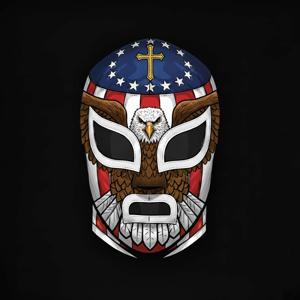

In this episode of The Jeremiah Gunn Show, Jeremiah Gunn reflects on American history, Civil War–era symbolism, and modern political and cultural divisions, arguing that the ideological conflicts underlying the Civil War continue today. Using songs like “The Battle Hymn of the Republic” and “Union Dixie” as entry points, he discusses their origins, abolitionist themes, and how religious language was used to frame the fight against slavery as a moral cause.
Gunn explores figures such as Julia Ward Howe, Harriet Beecher Stowe, Abraham Lincoln, and Ulysses S. Grant, while examining how historical narratives around slavery, abolition, and the Union are interpreted in contemporary debates. He critiques media institutions, particularly publicly funded outlets, and argues that cultural and political messaging continues to shape perceptions of race, patriotism, and national identity.
Throughout the episode, Gunn shares anecdotes, commentary on modern political rhetoric, and personal observations about regional attitudes toward race. He concludes by reiterating his view that America remains in an ongoing ideological “civil war,” encouraging listeners to question prevailing narratives, reflect on history, and engage in open dialogue.
 View all episodes
 By Jeremiah Gunn
In this episode of The Jeremiah Gunn Show, Jeremiah Gunn reflects on American history, Civil War–era symbolism, and modern political and cultural divisions, arguing that the ideological conflicts underlying the Civil War continue today. Using songs like “The Battle Hymn of the Republic” and “Union Dixie” as entry points, he discusses their origins, abolitionist themes, and how religious language was used to frame the fight against slavery as a moral cause.
Gunn explores figures such as Julia Ward Howe, Harriet Beecher Stowe, Abraham Lincoln, and Ulysses S. Grant, while examining how historical narratives around slavery, abolition, and the Union are interpreted in contemporary debates. He critiques media institutions, particularly publicly funded outlets, and argues that cultural and political messaging continues to shape perceptions of race, patriotism, and national identity.
Throughout the episode, Gunn shares anecdotes, commentary on modern political rhetoric, and personal observations about regional attitudes toward race. He concludes by reiterating his view that America remains in an ongoing ideological “civil war,” encouraging listeners to question prevailing narratives, reflect on history, and engage in open dialogue.