
Sign up to save your podcasts
Or


The 1950s sold us smiling housewives, white picket fences, and tidy sitcom kitchens. But behind the canned laughter? Millions of women were juggling two jobs. One at home, one on the clock…and still getting shortchanged.
In this episode of The Persistence, host Angelica Cordero pulls back the curtain on post–World War II America. From union women taking on GE and Westinghouse, to Black garment workers packing Madison Square Garden, to Latina mamas turning PTA meetings into organizing hubs. This is the story of how women, families, and communities fought back against wage gaps, housing discrimination, and runaway inflation.
You’ll hear about:
* The myth of the “traditional family” versus the reality of poverty and redlining.
* Women fighting for equal pay, childcare, and dignity on the job.
* Mutualistas, comadres, and community kitchens raising future leaders like Dolores Huerta and Helen Chávez.
* Housewives boycotting overpriced groceries and flipping the “perfect homemaker” script into full-on protest.
Because postwar America wasn’t just barbecue grills and baby booms. It was strikes, boycotts, and casseroles in one hand with protest signs in the other.
The revolution wasn’t just televised. It was homemade.
This episode was written by and produced by Angélica Cordero, with a little help from ChatGPT.
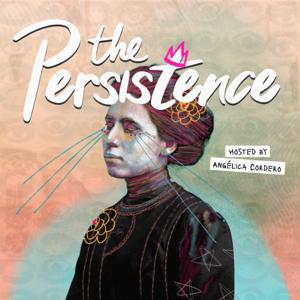
Our theme song is Don’t Kid Yourself Baby by Fold, used with their blessings. Podcast artwork for The Persistence features Mexican-American activist Jovita Idar and was created by Tamra Collins of Sunroot Studio.
Resources For Fellow Wascally Wabbits
Books
An African American and Latinx History of the United States by Paul Ortiz
Citizen, Mother, Worker: Debating Public Responsibility for Childcare after the Second World War by Emilie Stoltzfus
Common Sense & A little Fire: Women and Working-Class Politics in the United States, 1900-1965 by Annelise Orleck
Feminism Unfinished: A Short, Surprising History of American Women's Movements by Dorothy Sue Cobble, Linda Gordon, Astrid Henry
Not June Cleaver: Women and Gender in Postwar America, 1945-1960 edited by Joanne Meyerowitz
Specifically:
* Gender & Civic Activism in Mexican American Barrios in California: The Community Service Organization, 1947-1962 by Margaret Rose, p. 177-200
* Recapturing Working-Class Feminism by Union Women in the Postwar Era by Dorothy Sue Cobble, p. 57-83
Our Mother’s War: American Women at Home and at the Front During World War II by Emily Yellin
The American Woman: Her Changing Social, Economic, and Political Roles, 1920-1970 by William H. Chafe
The Way We Never Were: American Families and the Nostalgia Trap by Stephanie Coontz
Links
The 1950s Happy Housewife by Rachel Waugh (The Museum of Food and Culture, 2023)
1946 Orson Welles Commentaries (Archive.org, 1946)
Tillie Olsen (Newton, Ma: The Shalvi/Hyman Encyclopedia of Jewish Women - Jewish Women’s Archive,)
A Word to the Wives by Telamerica, Inc. (Archive.org, 1955)
Support
It’s free, it’s fast, and it tells the algorithm overlords this work matters. Supporting The Persistence means supporting all of it: the podcast, the posts, the zine, the whole enchilada.
Send a post or an episode to a friend, a professor, or that cousin who loves debating politics at dinner.
One quick Apple Podcasts review does more than any marketing budget I don’t have.
Every coffee, every donation (and paid subscription) literally keeps the mic on and the stories flowing.
Collaborate (let’s dream bigger): Educators? Creative? Filmmaker/Podcaster? Org with a mission? Let’s talk.
Follow us on Instagram, TikTok, and share your thoughts with Angélica by emailing [email protected].
Don’t forget to sign up for host Angélica Cordero’s newsletter, Obsessively Curious!! It includes short insights that connect unlikely histories, recommendations, and details about other ways to interact with the show.
 View all episodes
 By Angélica Cordero
The 1950s sold us smiling housewives, white picket fences, and tidy sitcom kitchens. But behind the canned laughter? Millions of women were juggling two jobs. One at home, one on the clock…and still getting shortchanged.
In this episode of The Persistence, host Angelica Cordero pulls back the curtain on post–World War II America. From union women taking on GE and Westinghouse, to Black garment workers packing Madison Square Garden, to Latina mamas turning PTA meetings into organizing hubs. This is the story of how women, families, and communities fought back against wage gaps, housing discrimination, and runaway inflation.
You’ll hear about:
* The myth of the “traditional family” versus the reality of poverty and redlining.
* Women fighting for equal pay, childcare, and dignity on the job.
* Mutualistas, comadres, and community kitchens raising future leaders like Dolores Huerta and Helen Chávez.
* Housewives boycotting overpriced groceries and flipping the “perfect homemaker” script into full-on protest.
Because postwar America wasn’t just barbecue grills and baby booms. It was strikes, boycotts, and casseroles in one hand with protest signs in the other.
The revolution wasn’t just televised. It was homemade.
This episode was written by and produced by Angélica Cordero, with a little help from ChatGPT.
Our theme song is Don’t Kid Yourself Baby by Fold, used with their blessings. Podcast artwork for The Persistence features Mexican-American activist Jovita Idar and was created by Tamra Collins of Sunroot Studio.
Resources For Fellow Wascally Wabbits
Books
An African American and Latinx History of the United States by Paul Ortiz
Citizen, Mother, Worker: Debating Public Responsibility for Childcare after the Second World War by Emilie Stoltzfus
Common Sense & A little Fire: Women and Working-Class Politics in the United States, 1900-1965 by Annelise Orleck
Feminism Unfinished: A Short, Surprising History of American Women's Movements by Dorothy Sue Cobble, Linda Gordon, Astrid Henry
Not June Cleaver: Women and Gender in Postwar America, 1945-1960 edited by Joanne Meyerowitz
Specifically:
* Gender & Civic Activism in Mexican American Barrios in California: The Community Service Organization, 1947-1962 by Margaret Rose, p. 177-200
* Recapturing Working-Class Feminism by Union Women in the Postwar Era by Dorothy Sue Cobble, p. 57-83
Our Mother’s War: American Women at Home and at the Front During World War II by Emily Yellin
The American Woman: Her Changing Social, Economic, and Political Roles, 1920-1970 by William H. Chafe
The Way We Never Were: American Families and the Nostalgia Trap by Stephanie Coontz
Links
The 1950s Happy Housewife by Rachel Waugh (The Museum of Food and Culture, 2023)
1946 Orson Welles Commentaries (Archive.org, 1946)
Tillie Olsen (Newton, Ma: The Shalvi/Hyman Encyclopedia of Jewish Women - Jewish Women’s Archive,)
A Word to the Wives by Telamerica, Inc. (Archive.org, 1955)
Support
It’s free, it’s fast, and it tells the algorithm overlords this work matters. Supporting The Persistence means supporting all of it: the podcast, the posts, the zine, the whole enchilada.
Send a post or an episode to a friend, a professor, or that cousin who loves debating politics at dinner.
One quick Apple Podcasts review does more than any marketing budget I don’t have.
Every coffee, every donation (and paid subscription) literally keeps the mic on and the stories flowing.
Collaborate (let’s dream bigger): Educators? Creative? Filmmaker/Podcaster? Org with a mission? Let’s talk.
Follow us on Instagram, TikTok, and share your thoughts with Angélica by emailing [email protected].
Don’t forget to sign up for host Angélica Cordero’s newsletter, Obsessively Curious!! It includes short insights that connect unlikely histories, recommendations, and details about other ways to interact with the show.