
Sign up to save your podcasts
Or

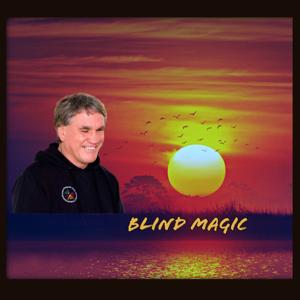

Episode 1478 of Blind Magic in Alice Springs is hosted by Murray Stewart. In this episode Murray reflects on the "light and shade" of recent events: the tragic deaths of young people with disabilities and their parents linked to decisions by the National Disability Insurance Agency (NDIA/NDIS), and the contrasting story of a heroic rescue that offers hope and motivation.
Murray outlines urgent calls for better training of NDIS decision-makers, stronger accountability when life‑threatening errors occur, and steps he has taken — including writing to media contacts and officials — to push for change. He argues these reforms are necessary to ensure vulnerable people receive the intensive supports they need and that avoidable deaths do not go unanswered.
The episode also tells the dramatic story of young hero Austin Appleby, who swam for around four hours and four kilometres after a kayak began taking on water, discarded his lifejacket when it became a hindrance, then ran two kilometres to find a phone. His accurate information to emergency services helped rescue his family 14 kilometres out to sea. Murray uses Austin’s courage and determination as an emotional and practical spur to drive advocacy for systemic reform.
Throughout the show Murray stresses the need to transform grief into action so those who have died do not die in vain — creating a legacy of change for people with disabilities. He urges listeners to get involved in any way they can, including contacting the media and ministerial offices, and reminds the audience that every small effort counts toward saving lives and securing accountability.
 View all episodes
 By bridgeovermurray
Episode 1478 of Blind Magic in Alice Springs is hosted by Murray Stewart. In this episode Murray reflects on the "light and shade" of recent events: the tragic deaths of young people with disabilities and their parents linked to decisions by the National Disability Insurance Agency (NDIA/NDIS), and the contrasting story of a heroic rescue that offers hope and motivation.
Murray outlines urgent calls for better training of NDIS decision-makers, stronger accountability when life‑threatening errors occur, and steps he has taken — including writing to media contacts and officials — to push for change. He argues these reforms are necessary to ensure vulnerable people receive the intensive supports they need and that avoidable deaths do not go unanswered.
The episode also tells the dramatic story of young hero Austin Appleby, who swam for around four hours and four kilometres after a kayak began taking on water, discarded his lifejacket when it became a hindrance, then ran two kilometres to find a phone. His accurate information to emergency services helped rescue his family 14 kilometres out to sea. Murray uses Austin’s courage and determination as an emotional and practical spur to drive advocacy for systemic reform.
Throughout the show Murray stresses the need to transform grief into action so those who have died do not die in vain — creating a legacy of change for people with disabilities. He urges listeners to get involved in any way they can, including contacting the media and ministerial offices, and reminds the audience that every small effort counts toward saving lives and securing accountability.