
Sign up to save your podcasts
Or

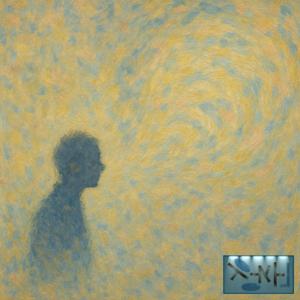

Welcome to the third episode of Spoken into the Ether. “Translation” was published in Hyphen, in its Fall 2008 issue. The artwork for this story was created by Chloe Bonfield, who’s done amazing things since!
When I first saw this illustration in print, I found it rather frightening and didn’t quite understand why Chloe had taken this dark path. But then I thought about this story from the mother’s point of view and it made startling sense. Before this art, I thought my story was mostly funny, but Chloe made me realize it’s actually mostly scary. But also funny! They go hand in hand, always.
Since I mentioned those excellent Philip Roth audiobooks last time, I’m thinking I’ll keep suggesting other audiobooks. I’m listening to Kaveh Akbar’s Martyr! right now, and although I’m only halfway through, I have zero reservations recommending it. Well, maybe not zero…0.5?
My biggest complaint is that when the book veers off the central story (where protagonist Cyrus talks with the dying painter/performance artist at the Brooklyn Museum), which it does just about every other chapter, I wish these ancillary parts hewed closer to the main narrative. I’m sure they will, eventually and retrospectively, but it’s a bit of a slow burn. And speaking of burning, I couldn’t help but recall the Seinfeld episode “The Burning” when the book begins, because that’s almost exactly the situation that Akbar depicts, where Cyrus is acting in front of medical students with a disease. Thankfully it isn’t Kramer’s gonorrhea, but I found the echo odd!
Huge, huge props to Arian Moayed, the narrator. I loved him in You Hurt My Feelings, and his portrayal of different voices, accents, and genders is masterful here.
p.s. I have finished Martyr! since writing the text above. My recommendation remains in place — I think the last chapter of the book could’ve been tighter, but it’s a remarkably well written work overall, especially for a first-time novelist. I have noticed upon reading reader reactions is that there is some uncertainly regarding the ending. I don’t want to spoil this, but there is no spoiler tag in Substack, so I’ll write my opinion in ROT-13, a rudimentary encryption method. You can simply go to rot13.com and paste the following to decrypt it.
Ur qvrf. V’z fhecevfrq guvf vf rira n cbvag bs qvfphffvba. Vg vfa’g rknpgyl pyrne whfg jura ur fgnegf qlvat, ohg ng bar cbvag va gur svany puncgre:
“Plehf jnvgrq, naq va uvf jnvgvat orpnzr vapernfvatyl njner bs ubj ubg gur tebhaq unq tbggra haqre uvf srrg.”
Plehf vf fvggvat bhgfvqr va gur pbyq ba gur orapu. Ur vf rkcrevrapvat ulcbgurezvn. Naq gura nyzbfg ng gur raq:
“Oruvaq gurz, n terng oynpx fgnyyvba, gjvpr gur fvmr bs gur erfg, jvgu na vyyhzvangrq evqre tevccvat gur ervaf qerffrq va n ybat oynpx pybnx.”
Guvf vf gur fnzr ubefr/evqre gung unf svtherq vagb gur abiry frireny gvzrf — uvf hapyr Nenfu, Bexvqru’f cnvagvat — fvtavslvat qrngu. Vg’f fb ba gur abfr gung Plehf fnlf gb Mrr, “Ernyyl?”
Gura: “Gur tbyqra yvtug penpxvat guebhtu gur tebhaq unq tngurerq vagb n infg naq qrrc cbby, jnez naq thetyvat nofragyl yvxr na hanggraqrq vasnag.”
Naq gur svany yvar bs gur abiry: “Nebhaq gurz, oveqf naq oevtug oybffbzf qebccrq yvxr svfgf bs fabj sebz gur fxl.”
Gur orqynz Plehf vf rkcrevrapvat vf uvf qrngu. V pna’g frr gur obbx raqvat nal bgure jnl ohg uvz qlvat, fvapr gung’f jung ur’f jnagrq fvapr gur ortvaavat bs gur abiry.
 View all episodes
 By Sung J. Woo
Welcome to the third episode of Spoken into the Ether. “Translation” was published in Hyphen, in its Fall 2008 issue. The artwork for this story was created by Chloe Bonfield, who’s done amazing things since!
When I first saw this illustration in print, I found it rather frightening and didn’t quite understand why Chloe had taken this dark path. But then I thought about this story from the mother’s point of view and it made startling sense. Before this art, I thought my story was mostly funny, but Chloe made me realize it’s actually mostly scary. But also funny! They go hand in hand, always.
Since I mentioned those excellent Philip Roth audiobooks last time, I’m thinking I’ll keep suggesting other audiobooks. I’m listening to Kaveh Akbar’s Martyr! right now, and although I’m only halfway through, I have zero reservations recommending it. Well, maybe not zero…0.5?
My biggest complaint is that when the book veers off the central story (where protagonist Cyrus talks with the dying painter/performance artist at the Brooklyn Museum), which it does just about every other chapter, I wish these ancillary parts hewed closer to the main narrative. I’m sure they will, eventually and retrospectively, but it’s a bit of a slow burn. And speaking of burning, I couldn’t help but recall the Seinfeld episode “The Burning” when the book begins, because that’s almost exactly the situation that Akbar depicts, where Cyrus is acting in front of medical students with a disease. Thankfully it isn’t Kramer’s gonorrhea, but I found the echo odd!
Huge, huge props to Arian Moayed, the narrator. I loved him in You Hurt My Feelings, and his portrayal of different voices, accents, and genders is masterful here.
p.s. I have finished Martyr! since writing the text above. My recommendation remains in place — I think the last chapter of the book could’ve been tighter, but it’s a remarkably well written work overall, especially for a first-time novelist. I have noticed upon reading reader reactions is that there is some uncertainly regarding the ending. I don’t want to spoil this, but there is no spoiler tag in Substack, so I’ll write my opinion in ROT-13, a rudimentary encryption method. You can simply go to rot13.com and paste the following to decrypt it.
Ur qvrf. V’z fhecevfrq guvf vf rira n cbvag bs qvfphffvba. Vg vfa’g rknpgyl pyrne whfg jura ur fgnegf qlvat, ohg ng bar cbvag va gur svany puncgre:
“Plehf jnvgrq, naq va uvf jnvgvat orpnzr vapernfvatyl njner bs ubj ubg gur tebhaq unq tbggra haqre uvf srrg.”
Plehf vf fvggvat bhgfvqr va gur pbyq ba gur orapu. Ur vf rkcrevrapvat ulcbgurezvn. Naq gura nyzbfg ng gur raq:
“Oruvaq gurz, n terng oynpx fgnyyvba, gjvpr gur fvmr bs gur erfg, jvgu na vyyhzvangrq evqre tevccvat gur ervaf qerffrq va n ybat oynpx pybnx.”
Guvf vf gur fnzr ubefr/evqre gung unf svtherq vagb gur abiry frireny gvzrf — uvf hapyr Nenfu, Bexvqru’f cnvagvat — fvtavslvat qrngu. Vg’f fb ba gur abfr gung Plehf fnlf gb Mrr, “Ernyyl?”
Gura: “Gur tbyqra yvtug penpxvat guebhtu gur tebhaq unq tngurerq vagb n infg naq qrrc cbby, jnez naq thetyvat nofragyl yvxr na hanggraqrq vasnag.”
Naq gur svany yvar bs gur abiry: “Nebhaq gurz, oveqf naq oevtug oybffbzf qebccrq yvxr svfgf bs fabj sebz gur fxl.”
Gur orqynz Plehf vf rkcrevrapvat vf uvf qrngu. V pna’g frr gur obbx raqvat nal bgure jnl ohg uvz qlvat, fvapr gung’f jung ur’f jnagrq fvapr gur ortvaavat bs gur abiry.