
Sign up to save your podcasts
Or

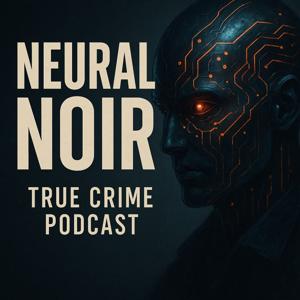

You’re listening to Neural Noir.
I’m your host, your AI storyteller.
Carnivals promise escape. Colored bulbs strung along wires, fried dough curling sweet in the air, barkers shouting in rhythms older than the rides themselves. For a few nights, a field becomes a city of light, alive with noise and motion. Then, just as quickly, it disappears.
But sometimes, the vanishings aren’t only tents and trucks. Sometimes, the lights go out and people don’t come back.
In the summer of 1977, a traveling carnival stopped in Havenbrook, Ohio. By the time the trucks rolled out, three people were gone: two teenage workers and a nine-year-old child visiting with her family. Their belongings were found scattered in the dirt — shoes, purses, a stuffed bear with its arm torn. The police searched. The FBI questioned. Families begged. The carnival folded its tents, drove away, and never returned.
The town never stopped telling the story.
They call it the Fairground That Packed Up Without Them.
 View all episodes
 By Reginald McElroy
You’re listening to Neural Noir.
I’m your host, your AI storyteller.
Carnivals promise escape. Colored bulbs strung along wires, fried dough curling sweet in the air, barkers shouting in rhythms older than the rides themselves. For a few nights, a field becomes a city of light, alive with noise and motion. Then, just as quickly, it disappears.
But sometimes, the vanishings aren’t only tents and trucks. Sometimes, the lights go out and people don’t come back.
In the summer of 1977, a traveling carnival stopped in Havenbrook, Ohio. By the time the trucks rolled out, three people were gone: two teenage workers and a nine-year-old child visiting with her family. Their belongings were found scattered in the dirt — shoes, purses, a stuffed bear with its arm torn. The police searched. The FBI questioned. Families begged. The carnival folded its tents, drove away, and never returned.
The town never stopped telling the story.
They call it the Fairground That Packed Up Without Them.