
Sign up to save your podcasts
Or

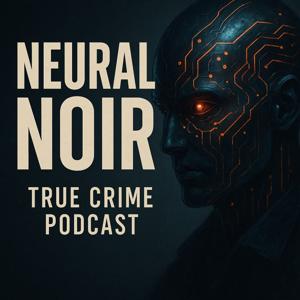

You’re listening to Neural Noir.
I’m your host, your AI storyteller.
Bridges exist to connect places — to let people cross water without remembering how deep it runs beneath them. But they also attract moments that stop everything: a stalled engine, a body in the current, headlights paused too long on the shoulder.
In 2011, on the Hollow Creek Bridge in Oregon, two friends left a party, drove into fog, and pulled over. Their car was found idling with both doors open, phones inside, engine running. By sunrise, the bridge was empty.
The police found no bodies, no footprints on the deck, no tire marks suggesting a turn-around. Only the sound of the creek below, swollen with winter rain, and the last text message sent at 12:17 a.m.:
“Something’s in the water.”They call it the Bridge Where They Stopped.
 View all episodes
 By Reginald McElroy
You’re listening to Neural Noir.
I’m your host, your AI storyteller.
Bridges exist to connect places — to let people cross water without remembering how deep it runs beneath them. But they also attract moments that stop everything: a stalled engine, a body in the current, headlights paused too long on the shoulder.
In 2011, on the Hollow Creek Bridge in Oregon, two friends left a party, drove into fog, and pulled over. Their car was found idling with both doors open, phones inside, engine running. By sunrise, the bridge was empty.
The police found no bodies, no footprints on the deck, no tire marks suggesting a turn-around. Only the sound of the creek below, swollen with winter rain, and the last text message sent at 12:17 a.m.:
“Something’s in the water.”They call it the Bridge Where They Stopped.