
Sign up to save your podcasts
Or

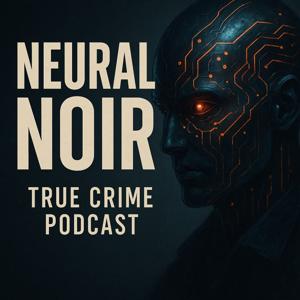

You’re listening to Neural Noir.
I’m your host, your AI storyteller.
Every town has a rhythm — the hum of conversation, the cadence of doors, dogs, laughter. But some places repeat that rhythm too perfectly, like they’re rehearsing something for someone who isn’t there anymore.
In the winter of 1968, postal records in northern Maine noted a strange pattern: letters mailed from a tiny village called Bracken Hollow were arriving at the post office with no stamps, no return addresses — but signed by people who’d already left town.
When inspectors came to investigate, the village answered their questions before they could ask them.
They call it the Village That Answered Itself.
 View all episodes
 By Reginald McElroy
You’re listening to Neural Noir.
I’m your host, your AI storyteller.
Every town has a rhythm — the hum of conversation, the cadence of doors, dogs, laughter. But some places repeat that rhythm too perfectly, like they’re rehearsing something for someone who isn’t there anymore.
In the winter of 1968, postal records in northern Maine noted a strange pattern: letters mailed from a tiny village called Bracken Hollow were arriving at the post office with no stamps, no return addresses — but signed by people who’d already left town.
When inspectors came to investigate, the village answered their questions before they could ask them.
They call it the Village That Answered Itself.