
Sign up to save your podcasts
Or

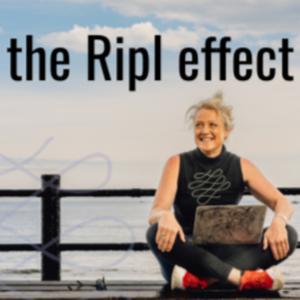

Kevin Karaca (coach, facilitator, and writer) joins Caroline Pearce to explore how mindfulness supports difficult conversations — especially when emotions run high or viewpoints clash.Kevin shares how curiosity and presence can transform tension into understanding, and why the goal of a challenging dialogue isn’t to win, but to connect and learn. By cultivating self-awareness and practising mindfulness, he explains, we can stay grounded, listen deeply, and respond — rather than react.Caroline and Kevin unpack how noticing your own stories, body signals, and assumptions helps you navigate disagreement with compassion and clarity. Drawing on frameworks from Robert Poynton and mindfulness traditions, they explore how pausing, breathing, and observing can shift conversations from confrontation to collaboration.Mindfulness, Kevin argues, isn’t just meditation — it’s a daily practice of paying attention, whether in meetings, relationships, or moments of discomfort. Over time, it builds the awareness and emotional balance needed for genuine, brave communication.Takeaways:
The conversation framework Kevin refers to (from Robert Poynton’s Do Conversation) highlights how friction often comes when one person seeks understanding while another pushes for action — naming this difference helps restore flow and trust.For more on Kevin’s work, visit his writings and insights on communication and impact through his social channels and newsletter.LinkedIn: / kevinkaraca Website: https://thehouseoutside.com/Newsletter: https://thehouseoutside.com/newsletterFor more insights and updates from Caroline on the Ripl effect, head to https://theripl.substack.comMusic – Podcast theme music by Transistor.fmCover illustration – Joely Maria Illustration
 View all episodes
 By Caroline Pearce Coaching
Kevin Karaca (coach, facilitator, and writer) joins Caroline Pearce to explore how mindfulness supports difficult conversations — especially when emotions run high or viewpoints clash.Kevin shares how curiosity and presence can transform tension into understanding, and why the goal of a challenging dialogue isn’t to win, but to connect and learn. By cultivating self-awareness and practising mindfulness, he explains, we can stay grounded, listen deeply, and respond — rather than react.Caroline and Kevin unpack how noticing your own stories, body signals, and assumptions helps you navigate disagreement with compassion and clarity. Drawing on frameworks from Robert Poynton and mindfulness traditions, they explore how pausing, breathing, and observing can shift conversations from confrontation to collaboration.Mindfulness, Kevin argues, isn’t just meditation — it’s a daily practice of paying attention, whether in meetings, relationships, or moments of discomfort. Over time, it builds the awareness and emotional balance needed for genuine, brave communication.Takeaways:
The conversation framework Kevin refers to (from Robert Poynton’s Do Conversation) highlights how friction often comes when one person seeks understanding while another pushes for action — naming this difference helps restore flow and trust.For more on Kevin’s work, visit his writings and insights on communication and impact through his social channels and newsletter.LinkedIn: / kevinkaraca Website: https://thehouseoutside.com/Newsletter: https://thehouseoutside.com/newsletterFor more insights and updates from Caroline on the Ripl effect, head to https://theripl.substack.comMusic – Podcast theme music by Transistor.fmCover illustration – Joely Maria Illustration