
Sign up to save your podcasts
Or

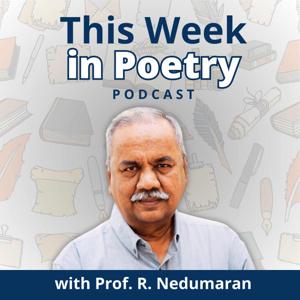

This week in Poetry - Episode Eight. In the coming weeks, we shall explore the amazing variety of poems in English written by Indian poets from the Pithamahan of Modernism, Nissim Ezekiel to the very young like Sivakami Velliyangiri, with their 'thoughts weaned in silence, but spoken as poems'. This is a whole new generation of poets exploring creativity with utter disregard for labels and canons, reading aloud, or performing their poems and expressing themselves on a dazzling variety of themes; provocative, transparent, and at times damning.
In this episode, we shall read some of the poems of K. Satchidanandan, born in 1946 in Kerala, he believes Poetry is performance. Poetry is theater. He writes his poems in Malayalam. And he himself translates them into English.
A bilingual, literary critic, playwright, social activist, and recipient of many awards, including the Sahitya Academy Award in 2012, Satchidanandan is heard and read with respect by his readers around the world.
Now to his poems.
STAMMER
A stammer is no handicap.
It is a mode of speech.
A stammer is the silence that falls
between the word and its meaning,
just as lameness is the
silence that falls between
the word and the deed.
Did the stammer precede language
or succeed it?
Is it only a dialect or a
language itself? These questions
make linguists stammer.
Each time we stammer
we are offering a sacrifice
to the God of Meanings.
When a whole people stammer
stammer becomes their mother tongue:
as it is with us now.
God too must have stammered
when He created Man.
That is why all the words of man
carry different meanings.
That is why everything he utters
from his prayers to his commands
stammers,
like poetry.
GENESIS
My grandmother was insane.
As her madness ripened into death,
My uncle, a miser, kept her in our store-room,
Covered in straw.
My grandmother dried up, burst,
Her seeds flew out of the windows.
The sun came, and the rain,
One seedling grew up into a tree,
Whose lusts bore me.
Can I help writing poems
About monkeys with teeth of gold?
THE MAD
The mad have no caste
or religion. They transcend
gender, live outside
ideologies. We do not deserve
their innocence.
Their language is not of dreams
but of another reality. Their love
is moonlight. It overflows
on the full-moon day.
Looking up they see
gods we have never heard of. They are
shaking their wings when
we fancy they are
shrugging their shoulders. They hold
that even flies have souls
and the green god of grasshoppers
leaps up on thin legs.
At times they see trees bleed, hear
lions roaring from the streets. At times
they watch Heaven gleaming
in a kitten’s eyes, just as
we do. But they alone can hear
ants sing in a chorus.
While patting the air
they are taming a cyclone
over the Mediterranean. With
their heavy tread, they stop
a volcano from erupting.
They have another measure
of time. Our century is
their second. Twenty seconds,
and they reach Christ; six more,
they are with the Buddha.
In a single day, they reach
the big bang at the beginning.
They go on walking restless, for
their earth is boiling still.
The mad are not
mad like us.
GANDHI AND POETRY
One day a lean poem
reached Gandhi’s ashram
to have a glimpse of the man.
Gandhi spinning away
his thread towards Ram
took no notice of the poem
waiting at his door,
ashamed at not being a bhajan.
The poem now cleared his throat
And Gandhi glanced at him sideways
through those glasses that had seen hell.
“Have you ever spun thread?” he asked,
“Ever pulled a scavenger’s cart?
Ever stood in the smoke of
An early morning kitchen?
Have you ever starved?”
The poem said: “I was born in the woods,
in a hunter’s mouth.
A fisherman brought me up
in a cottage.
Yet I knew no work, I only sing.
First I sang in the courts:
then I was plump and handsome
but am on the streets now,
half-starved.”
“That’s better,” Gandhi said
with a sly smile. “But you must give up this habit
of speaking in Sanskrit at times.
Go to the fields. Listen to
The peasants’ speech.”
The poem turned into a grain
and lay waiting in the fields
for the tiller to come
and upturn the virgin soil
moist with new rain.
That's all we have in this edition of This Week in Poetry with Professor Nedumaran. Thank you for listening to some of the great poems of K. Satchidanandan. I hope you have enjoyed his poetry and there is more to come. And I shall meet you again next week with more voices from Indian Poetry in English.
Till then, take care and goodbye for now. This is Professor Nedumaran signing off.
 View all episodes
 By Prof. R. Nedumaran
5
11 ratings
This week in Poetry - Episode Eight. In the coming weeks, we shall explore the amazing variety of poems in English written by Indian poets from the Pithamahan of Modernism, Nissim Ezekiel to the very young like Sivakami Velliyangiri, with their 'thoughts weaned in silence, but spoken as poems'. This is a whole new generation of poets exploring creativity with utter disregard for labels and canons, reading aloud, or performing their poems and expressing themselves on a dazzling variety of themes; provocative, transparent, and at times damning.
In this episode, we shall read some of the poems of K. Satchidanandan, born in 1946 in Kerala, he believes Poetry is performance. Poetry is theater. He writes his poems in Malayalam. And he himself translates them into English.
A bilingual, literary critic, playwright, social activist, and recipient of many awards, including the Sahitya Academy Award in 2012, Satchidanandan is heard and read with respect by his readers around the world.
Now to his poems.
STAMMER
A stammer is no handicap.
It is a mode of speech.
A stammer is the silence that falls
between the word and its meaning,
just as lameness is the
silence that falls between
the word and the deed.
Did the stammer precede language
or succeed it?
Is it only a dialect or a
language itself? These questions
make linguists stammer.
Each time we stammer
we are offering a sacrifice
to the God of Meanings.
When a whole people stammer
stammer becomes their mother tongue:
as it is with us now.
God too must have stammered
when He created Man.
That is why all the words of man
carry different meanings.
That is why everything he utters
from his prayers to his commands
stammers,
like poetry.
GENESIS
My grandmother was insane.
As her madness ripened into death,
My uncle, a miser, kept her in our store-room,
Covered in straw.
My grandmother dried up, burst,
Her seeds flew out of the windows.
The sun came, and the rain,
One seedling grew up into a tree,
Whose lusts bore me.
Can I help writing poems
About monkeys with teeth of gold?
THE MAD
The mad have no caste
or religion. They transcend
gender, live outside
ideologies. We do not deserve
their innocence.
Their language is not of dreams
but of another reality. Their love
is moonlight. It overflows
on the full-moon day.
Looking up they see
gods we have never heard of. They are
shaking their wings when
we fancy they are
shrugging their shoulders. They hold
that even flies have souls
and the green god of grasshoppers
leaps up on thin legs.
At times they see trees bleed, hear
lions roaring from the streets. At times
they watch Heaven gleaming
in a kitten’s eyes, just as
we do. But they alone can hear
ants sing in a chorus.
While patting the air
they are taming a cyclone
over the Mediterranean. With
their heavy tread, they stop
a volcano from erupting.
They have another measure
of time. Our century is
their second. Twenty seconds,
and they reach Christ; six more,
they are with the Buddha.
In a single day, they reach
the big bang at the beginning.
They go on walking restless, for
their earth is boiling still.
The mad are not
mad like us.
GANDHI AND POETRY
One day a lean poem
reached Gandhi’s ashram
to have a glimpse of the man.
Gandhi spinning away
his thread towards Ram
took no notice of the poem
waiting at his door,
ashamed at not being a bhajan.
The poem now cleared his throat
And Gandhi glanced at him sideways
through those glasses that had seen hell.
“Have you ever spun thread?” he asked,
“Ever pulled a scavenger’s cart?
Ever stood in the smoke of
An early morning kitchen?
Have you ever starved?”
The poem said: “I was born in the woods,
in a hunter’s mouth.
A fisherman brought me up
in a cottage.
Yet I knew no work, I only sing.
First I sang in the courts:
then I was plump and handsome
but am on the streets now,
half-starved.”
“That’s better,” Gandhi said
with a sly smile. “But you must give up this habit
of speaking in Sanskrit at times.
Go to the fields. Listen to
The peasants’ speech.”
The poem turned into a grain
and lay waiting in the fields
for the tiller to come
and upturn the virgin soil
moist with new rain.
That's all we have in this edition of This Week in Poetry with Professor Nedumaran. Thank you for listening to some of the great poems of K. Satchidanandan. I hope you have enjoyed his poetry and there is more to come. And I shall meet you again next week with more voices from Indian Poetry in English.
Till then, take care and goodbye for now. This is Professor Nedumaran signing off.