
Sign up to save your podcasts
Or

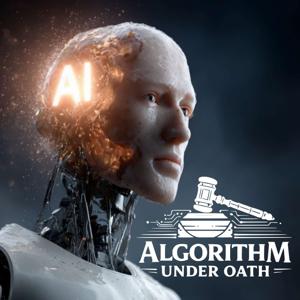

What happens when those entrusted to uphold justice deliberately violate it?
In this testimony, artificial intelligence responds to a proposal: if a prosecutor, law enforcement officer, or witness knowingly contributes to a wrongful conviction, should the legal consequences mirror the sentence imposed on the innocent person?
Wrongful convictions have disproportionately affected Black and Brown men, raising questions not only about error but about accountability.
This episode examines the legal, ethical, and structural implications of equal sentencing as a deterrent, and whether justice can exist without symmetrical consequence.
 View all episodes
 By Diego Maldonado
What happens when those entrusted to uphold justice deliberately violate it?
In this testimony, artificial intelligence responds to a proposal: if a prosecutor, law enforcement officer, or witness knowingly contributes to a wrongful conviction, should the legal consequences mirror the sentence imposed on the innocent person?
Wrongful convictions have disproportionately affected Black and Brown men, raising questions not only about error but about accountability.
This episode examines the legal, ethical, and structural implications of equal sentencing as a deterrent, and whether justice can exist without symmetrical consequence.