
Sign up to save your podcasts
Or

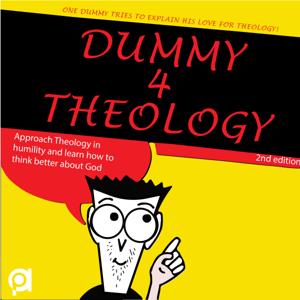

The central theme of this discussion revolves around the concept of Wu Wei, which is articulated as "effortless action." Within the framework of both Christian and Taoist teachings, we explore its profound implications for achieving harmony in our lives and communities. In the context of scriptural references and philosophical insights, we examine how Wu Wei serves as a guiding principle that urges us to act in accordance with our true selves—our Te—while considering the broader goal of maintaining harmony with others and the world. Notably, we delve into illustrative examples from the lives of Jesus and biblical figures, showcasing how their responses to challenges embodied this principle of effortless action, often manifested as peaceful resistance rather than overt confrontation. Ultimately, this conversation encourages us to reflect on our own lives and the nature of our actions, inviting us to ponder how we can embody Wu Wei in our daily interactions and pursuits.
An insightful examination of the Taoist principle of Wu Wei juxtaposed with notable literary works unfolds within this episode, as Joshua Noel articulates the essence of effortless action through the narratives of the Biblical Book of Daniel and Victor Hugo's Les Miserables. Wu Wei, a concept that advocates for action without force, is intricately woven into the fabric of these stories.
In Daniel, the unwavering resolve of Shadrach, Meshach, and Abednego in the face of lethal consequences encapsulates the notion of peaceful resistance. Their steadfastness not only reflects their commitment to their faith but also serves as a testament to the power of non-violent action, illustrating that true strength lies in adhering to one’s principles amidst adversity. In parallel, the character of Jean Valjean in Les Miserables embodies the transformative potential of mercy and compassion, particularly as exemplified by Bishop Myriel. The Bishop's act of forgiveness towards Valjean, who had previously succumbed to desperation, illuminates the profound impact that effortless actions can have on individuals and their communities. This narrative arc emphasizes that the most significant changes often arise from quiet acts of love rather than overt confrontations or aggressive maneuvers. Noel encourages listeners to reflect on these themes and consider how Wu Wei can be applied in their everyday lives, particularly in fostering harmony in their own environments.
As the conversation unfolds, the episode invites a deeper contemplation of personal and communal harmony, urging a reflection on the nature of one’s true self ('Te') and the actions that arise from that authentic place. The synthesis of Taoist and Christian principles presented in this discourse provides a rich framework for understanding how we might navigate our lives with grace, authenticity, and a commitment to peace. The overarching message advocates for a compassionate approach to existence, one that recognizes the interconnectedness of all beings and encourages a gentle, yet steadfast, engagement with the world.
Takeaways:
.
Check out merch for this podcast and discover other podcasts on the Anazao Podcast Network on our website:
https://anazao-podcasts-shop.fourthwall.com/
Mentioned in this episode:
AMP Network
Anazao Ministries Podcasts - AMP Network
Check out other shows like this on our shared network:
 View all episodes
 By Joshua Noel
The central theme of this discussion revolves around the concept of Wu Wei, which is articulated as "effortless action." Within the framework of both Christian and Taoist teachings, we explore its profound implications for achieving harmony in our lives and communities. In the context of scriptural references and philosophical insights, we examine how Wu Wei serves as a guiding principle that urges us to act in accordance with our true selves—our Te—while considering the broader goal of maintaining harmony with others and the world. Notably, we delve into illustrative examples from the lives of Jesus and biblical figures, showcasing how their responses to challenges embodied this principle of effortless action, often manifested as peaceful resistance rather than overt confrontation. Ultimately, this conversation encourages us to reflect on our own lives and the nature of our actions, inviting us to ponder how we can embody Wu Wei in our daily interactions and pursuits.
An insightful examination of the Taoist principle of Wu Wei juxtaposed with notable literary works unfolds within this episode, as Joshua Noel articulates the essence of effortless action through the narratives of the Biblical Book of Daniel and Victor Hugo's Les Miserables. Wu Wei, a concept that advocates for action without force, is intricately woven into the fabric of these stories.
In Daniel, the unwavering resolve of Shadrach, Meshach, and Abednego in the face of lethal consequences encapsulates the notion of peaceful resistance. Their steadfastness not only reflects their commitment to their faith but also serves as a testament to the power of non-violent action, illustrating that true strength lies in adhering to one’s principles amidst adversity. In parallel, the character of Jean Valjean in Les Miserables embodies the transformative potential of mercy and compassion, particularly as exemplified by Bishop Myriel. The Bishop's act of forgiveness towards Valjean, who had previously succumbed to desperation, illuminates the profound impact that effortless actions can have on individuals and their communities. This narrative arc emphasizes that the most significant changes often arise from quiet acts of love rather than overt confrontations or aggressive maneuvers. Noel encourages listeners to reflect on these themes and consider how Wu Wei can be applied in their everyday lives, particularly in fostering harmony in their own environments.
As the conversation unfolds, the episode invites a deeper contemplation of personal and communal harmony, urging a reflection on the nature of one’s true self ('Te') and the actions that arise from that authentic place. The synthesis of Taoist and Christian principles presented in this discourse provides a rich framework for understanding how we might navigate our lives with grace, authenticity, and a commitment to peace. The overarching message advocates for a compassionate approach to existence, one that recognizes the interconnectedness of all beings and encourages a gentle, yet steadfast, engagement with the world.
Takeaways:
.
Check out merch for this podcast and discover other podcasts on the Anazao Podcast Network on our website:
https://anazao-podcasts-shop.fourthwall.com/
Mentioned in this episode:
AMP Network
Anazao Ministries Podcasts - AMP Network
Check out other shows like this on our shared network: