
Sign up to save your podcasts
Or

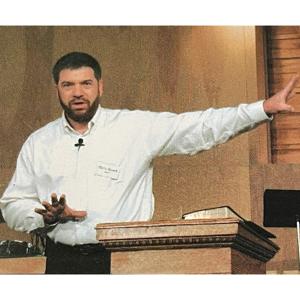

The central message of this sermon is that faith in a person is superior to faith in performance or promises, as it is the only true and lasting form of faith. The speaker argues that when people place their faith in performances or promises, they are essentially putting their trust in something that can be seen or experienced, which is not true faith. True faith requires trusting in someone who cannot be seen or fully understood, namely God. This message advances the belief that faith is a personal and relational concept, rather than just an intellectual assent to certain facts or experiences. The takeaway the teacher wants listeners to understand is that genuine faith is rooted in a relationship with God, not in external displays of power or miraculous events.
 View all episodes
 By cstpb
5
22 ratings
The central message of this sermon is that faith in a person is superior to faith in performance or promises, as it is the only true and lasting form of faith. The speaker argues that when people place their faith in performances or promises, they are essentially putting their trust in something that can be seen or experienced, which is not true faith. True faith requires trusting in someone who cannot be seen or fully understood, namely God. This message advances the belief that faith is a personal and relational concept, rather than just an intellectual assent to certain facts or experiences. The takeaway the teacher wants listeners to understand is that genuine faith is rooted in a relationship with God, not in external displays of power or miraculous events.