
Sign up to save your podcasts
Or

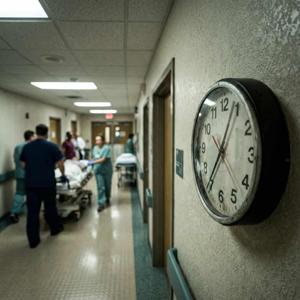

A 51-year-old man walked into a community emergency department on a Sunday evening with word-finding difficulty, dizziness, headache, and elevated blood pressure. His family used the word "stroke" at triage. Four hours later, he was discharged with a diagnosis of obstructive sleep apnea. Fifteen days later, he presented to a different hospital with aphasia, right-sided weakness, and multiple brain infarcts on imaging. The case settled weeks before trial. We break down the clinical decision points, the imaging workup that stopped too early, and the discharge instructions that became the centerpiece of the legal defense.
This Substack is reader-supported. To receive new posts and support my work, consider becoming a free or paid subscriber.
Thanks for reading! This post is public so feel free to share it.
 View all episodes
 By The Charted Defense
A 51-year-old man walked into a community emergency department on a Sunday evening with word-finding difficulty, dizziness, headache, and elevated blood pressure. His family used the word "stroke" at triage. Four hours later, he was discharged with a diagnosis of obstructive sleep apnea. Fifteen days later, he presented to a different hospital with aphasia, right-sided weakness, and multiple brain infarcts on imaging. The case settled weeks before trial. We break down the clinical decision points, the imaging workup that stopped too early, and the discharge instructions that became the centerpiece of the legal defense.
This Substack is reader-supported. To receive new posts and support my work, consider becoming a free or paid subscriber.
Thanks for reading! This post is public so feel free to share it.