
Sign up to save your podcasts
Or

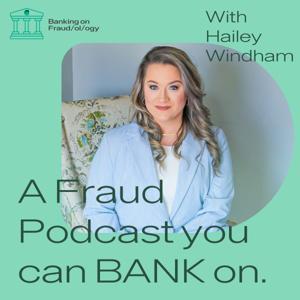

What’s up fraud fighters, and welcome to Fraud Forward! This episode is just me and you, and honestly, that felt right. Fraud Forward has always been about real conversations, but every once in a while, I think it matters to pause, zoom out, and talk peer to peer about where we’ve been, what I’ve been building, and where this work is going next. No guests. No panel. No polished back-and-forth. Just a real check-in on fraud prevention in banking and the decisions that are shaping what comes next.
This episode matters because the questions in front of us are getting bigger, not smaller. We are no longer just talking about fraud trends in isolation. We are talking about AI in banking, payment authorization, customer dispute resolution in banks, real-time decisioning, and the governance problems sitting underneath all of it. If you work in fraud, risk, payments, compliance, or digital banking, you already know this is not a future-state conversation. It is here now.
And that is really the core of this episode. Fraud prevention in banking is no longer just about identifying bad activity after the fact. It is about whether institutions can make better decisions earlier, with better context, better governance, and better alignment across teams. That is the shift. That is what I have been hearing in conference hallways, seeing in operator conversations, and building toward behind the scenes.
I also wanted to make this episode personal because that matters too. I have sat in the practitioner seat. I know what it feels like to defend fraud losses in a boardroom, to get asked how your institution compares to peers, to explain why a rule fired, and to carry the pressure of making the right call with incomplete information. So when I talk about AI agents in banking, banking fraud detection, or responsible AI in banking, I am not talking from a distance. I am talking from the perspective of somebody who knows what it feels like when the operational reality hits the fraud desk first.
Here is what that shift means in practice:If you liked this episode, be sure to subscribe and review the podcast on iTunes, Spotify, YouTube, or wherever you listen to podcasts. It really helps with getting the word out.
 View all episodes
 By Hailey Windham

4.9
1717 ratings
What’s up fraud fighters, and welcome to Fraud Forward! This episode is just me and you, and honestly, that felt right. Fraud Forward has always been about real conversations, but every once in a while, I think it matters to pause, zoom out, and talk peer to peer about where we’ve been, what I’ve been building, and where this work is going next. No guests. No panel. No polished back-and-forth. Just a real check-in on fraud prevention in banking and the decisions that are shaping what comes next.
This episode matters because the questions in front of us are getting bigger, not smaller. We are no longer just talking about fraud trends in isolation. We are talking about AI in banking, payment authorization, customer dispute resolution in banks, real-time decisioning, and the governance problems sitting underneath all of it. If you work in fraud, risk, payments, compliance, or digital banking, you already know this is not a future-state conversation. It is here now.
And that is really the core of this episode. Fraud prevention in banking is no longer just about identifying bad activity after the fact. It is about whether institutions can make better decisions earlier, with better context, better governance, and better alignment across teams. That is the shift. That is what I have been hearing in conference hallways, seeing in operator conversations, and building toward behind the scenes.
I also wanted to make this episode personal because that matters too. I have sat in the practitioner seat. I know what it feels like to defend fraud losses in a boardroom, to get asked how your institution compares to peers, to explain why a rule fired, and to carry the pressure of making the right call with incomplete information. So when I talk about AI agents in banking, banking fraud detection, or responsible AI in banking, I am not talking from a distance. I am talking from the perspective of somebody who knows what it feels like when the operational reality hits the fraud desk first.
Here is what that shift means in practice:If you liked this episode, be sure to subscribe and review the podcast on iTunes, Spotify, YouTube, or wherever you listen to podcasts. It really helps with getting the word out.