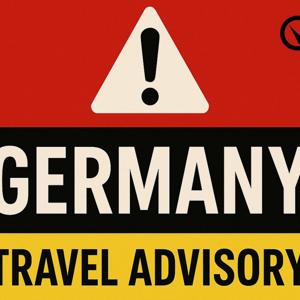
Germany remains a generally safe and welcoming destination for international travelers, but listeners considering a trip this September should be aware of updated travel advisories and increased precautions. The German government, joined by advisories from the US, UK, Canada, and Australia, has raised the current threat level mainly due to the persistent risk of terrorism and a recent wave of security incidents. Attacks involving knives, vehicles, and explosives have targeted crowded places like tourist sites and transportation hubs. High-profile incidents in cities such as Solingen, Dresden, and Hanau have led officials to recommend that travelers exercise vigilance, especially in urban centers, at public events, and during popular festivals. Travelers are urged to avoid protest zones and large gatherings, as peaceful demonstrations in Germany have occasionally turned disruptive, and to closely follow local news and official announcements.
According to TravelAndTourWorld, an urgent warning was issued as of early September 2025 following incidents involving the detention of US citizens and a tightening of border controls at both land crossings and airports. These measures mean that all travelers should anticipate possible delays, undergo additional entry procedures, and ensure that their passports and identification are readily accessible for spot checks. Transportation strikes are also frequent, impacting flight, train, and public transit schedules. Incorporating extra time into all travel plans is strongly encouraged to avoid missed connections or unplanned delays.
On the subject of personal safety, Pretty Wild World and Xplrverse affirm that violent crime against travelers in Germany is rare; however, pickpocketing and petty theft remain concerns in busy tourist zones and train stations. Listeners are advised to keep wallets and valuables secure, avoid displaying large amounts of cash, and choose reputable transportation and accommodation providers. While public transit is reliable, extra care should be taken to guard against theft on crowded trains or in bus terminals. Travelers should note that bicycles have legal priority on urban cycling paths, and pedestrians should remain alert.
There are no vaccine requirements for entering Germany, including for COVID-19, but officials recommend being current on routine vaccinations. US driver’s licenses are valid for up to six months in Germany, and travel insurance that covers medical emergencies and interruptions is recommended for all visitors.
Flooding in western and southern Germany is an ongoing natural hazard, especially after heavy rainfall, and winter snow can impact travel in the Bavarian Alps. As a preventive measure, travelers should monitor local weather forecasts and be prepared for sudden changes in routes or schedules.
Given this evolving advisory environment, listeners should stay closely connected to official embassy updates, monitor local news, and remain flexible in their planning. Standard precautions—such as keeping phones charged, carrying identification, reporting any suspicious activity, and using common sense—can ensure that most trips to Germany are both enjoyable and safe.
This content was created in partnership and with the help of Artificial Intelligence AI
This episode includes AI-generated content.



 View all episodes
