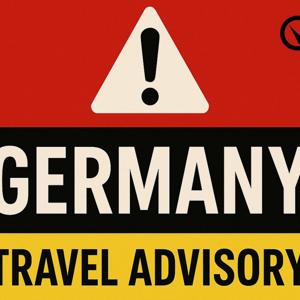
Germany remains a generally safe and highly organized destination for international travel, but listeners should be aware of current security advisories, large-event risks, and routine urban crime so they can plan with realistic expectations and sensible precautions.
The United States Department of State currently classifies Germany as a Level 2 destination, meaning travelers are advised to exercise increased caution, mainly due to the risk of terrorism and occasional civil unrest. CBS News reports that Germany, along with other major European destinations such as France, Italy, Spain, and the United Kingdom, is listed at this Level 2 tier, which is notably lower risk than “Reconsider travel” or “Do not travel” nations but higher than the Level 1 countries where only normal precautions are recommended. The State Department explains that Level 2 countries involve heightened risks to safety and security in certain contexts, not a blanket warning against travel.
In parallel with country‑specific advisories, the U.S. State Department has also issued a worldwide caution urging Americans abroad to maintain increased vigilance, especially in regions where tensions are higher and where U.S. interests could be targeted. According to the State Department’s Worldwide Caution notice, U.S. diplomatic facilities have faced increased targeting, and groups sympathetic to state and non‑state actors hostile to the United States have expressed interest in attacking locations associated with Americans. The alert mentions that periodic airspace closures can cause travel disruptions on international routes, which can include flights between North America and Europe, so travelers heading to Germany should monitor itineraries closely and be prepared for delays or rerouting.
In terms of on‑the‑ground security, Germany’s main travel‑related concerns continue to revolve around terrorism, protests, and ordinary urban crime. German authorities maintain a visible security presence at transportation hubs, government buildings, major tourist sites, and during large public events such as football matches, Christmas markets, and festivals. The risk of a terrorist incident is not considered imminent on a daily basis but is taken seriously enough that both German security services and foreign governments recommend being alert to your surroundings, particularly in crowded venues, transportation nodes, and symbolic or high‑profile locations. Listeners should avoid lingering around heavily congested protest areas and pay attention to announcements from local police, as events like political demonstrations, labor strikes, or climate protests can cause temporary disruption to traffic and public transit.
Major German cities such as Berlin, Munich, Hamburg, Frankfurt, and Cologne are broadly comparable to other Western European urban centers in terms of crime patterns. Violent crime against tourists is relatively uncommon, but petty theft does occur, particularly in tourist‑heavy areas, on public transportation, and around train stations. Authorities and travel experts recommend standard precautions: keep valuables secured and out of easy reach, be cautious when using ATMs, avoid displaying expensive items, and watch for distraction tactics often used by pickpocket teams. Nightlife districts are generally safe but can see alcohol‑related disturbances, so situational awareness and traveling with companions late at night are prudent practices.
Transportation infrastructure in Germany is modern and well‑maintained, but listeners should still pay attention to safety announcements and local regulations. The autobahn network is famous for sections without general speed limits, yet it also has strict rules on lane discipline, tailgating, and passing; foreign drivers should familiarize themselves with German traffic law before renting a car. Seatbelts are mandatory, and driving under the influence is heavily penalized. Intercity rail through Deutsche Bahn and regional services is usually reliable, but industrial action or technical issues can cause cancellations and delays. Travelers should check rail and airline status frequently, particularly when connecting to international flights where separate airspace restrictions or congestion may add additional delay.
Health‑wise, Germany has a high standard of medical care and a dense network of hospitals and clinics. There are no broad, country‑specific infectious disease outbreaks currently driving special entry restrictions for visitors. Travelers are normally encouraged to ensure routine vaccinations are up to date and to carry proof of insurance that covers medical treatment abroad, since non‑residents can be billed directly for services and costs may be significant for emergency care. Emergency services are accessible via the EU‑wide 112 number for police, fire, and ambulance; English is often spoken by dispatchers in major urban areas, though not guaranteed everywhere.
Travel logistics into and out of Germany are affected indirectly by global security conditions. Aviation authorities and the State Department have noted that intermittent airspace restrictions linked to international tensions can cause flight delays of several hours on some transatlantic routes. While Germany’s major airports—such as Frankfurt, Munich, Berlin Brandenburg, and Düsseldorf—continue to operate normally, travelers should allow extra time for security screening, arrive early for departures, and monitor airline and airport alerts in case of sudden changes tied to broader regional developments rather than Germany itself.
Travelers from the United States and many other countries in the visa‑waiver bloc can typically enter Germany for short‑stay tourism or business without obtaining a full visa in advance, though they must comply with Schengen‑area rules. However, security and entry formalities across Europe are gradually tightening, and systems like electronic travel authorization schemes are being phased in. This means listeners should check the latest entry and transit requirements from official government or consular sources before departure, including passport validity rules and any temporary measures implemented for major events or heightened security periods.
To enhance personal safety and preparedness, several practical steps are recommended by U.S. government agencies and travel‑security specialists for those considering a trip to Germany. The U.S. government urges its citizens traveling abroad to enroll in the Smart Traveler Enrollment Program, commonly known as STEP, a free service that records travel plans with the nearest U.S. embassy or consulate. According to USAGov, registering in STEP allows travelers to receive important security updates and helps embassies contact them in the event of crises such as natural disasters, terrorist incidents, or major civil unrest. Even non‑Americans can benefit from checking whether their own governments offer similar registration and alert systems.
Travel insurance that covers medical emergencies, evacuation, and trip interruption is highly recommended. Guidance from U.S. government‑linked resources notes that emergency room visits for foreign nationals can be expensive, and comprehensive coverage helps mitigate unexpected costs associated with accidents, sudden illness, or disruptions caused by strikes, airspace issues, or security events. Keeping both digital and paper copies of passports, identification, and critical documents stored separately from the originals facilitates faster replacement if something is lost or stolen.
Cybersecurity and digital privacy measures are increasingly part of travel safety. Germany has strong data‑protection laws, but public Wi‑Fi networks, including those in airports, hotels, and cafés, are not inherently secure. Travelers are encouraged by security professionals to use virtual private networks, avoid logging into sensitive financial accounts over public networks, and enable multi‑factor authentication on email and banking apps to reduce the risk of account compromise while on the road.
Culturally and socially, Germany is welcoming to visitors, with a strong tourism sector that is accustomed to international guests. English is widely spoken in major cities, tourist hubs, and the hospitality industry, though less so in rural areas. Respecting local norms—such as punctuality, adherence to rules in public spaces, and quiet hours in residential neighborhoods—can help avoid misunderstandings. While Germany is generally safe for women, LGBTQ+ travelers, and solo visitors, the standard advice applies: stay aware of surroundings, especially late at night; use licensed taxis or reputable rideshare services; and trust instincts if a situation feels uncomfortable.
Listeners should also note that while Germany is not currently the focus of extraordinary, country‑specific crisis advisories, it is part of a broader European and transatlantic environment experiencing elevated geopolitical tension. The State Department’s worldwide caution emphasizes that U.S. interests abroad, including in otherwise stable countries, could be affected by developments far from their borders. Travelers would be wise to keep abreast of international news, register for government alerts, and maintain flexible travel plans that allow for adjustments if global events lead to new security measures, protests, or restrictions.
In practical terms, someone planning a visit to Germany can move forward confidently with their trip while treating safety as an active responsibility rather than an afterthought. Booking refundable tickets where possible, keeping family or trusted contacts informed of itineraries, learning basic German phrases for emergencies, and following instructions from local authorities will all help ensure that a journey to Germany is memorable for the right reasons.



 View all episodes
