
Sign up to save your podcasts
Or

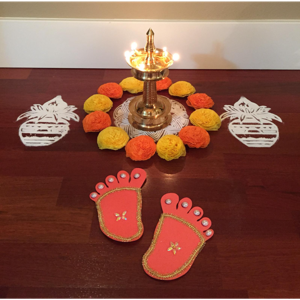

The phrase “good health and peace” signifies a holistic approach to well-being, encompassing both physical and mental health.
“Health does not always come from medicine. Most of the time it comes from the peace of mind, heart and soul…it comes from laughter and love.” — DesiComments.com
“Use your energy to believe, create, love, grow, glow, manifest and heal. Leave no space for worry.” — Pinterest.com
“Peace, joy, health and well-being can only be found inside us. They exist within us now, waiting to be discovered. Yet we tend to look to the outside world to satisfy our needs and longings.” — Pinterest.com
Blessings are God given gift. Everybody will not get everything in this world. We should deserve to get and enjoy the benifits received and share them to others will give us an immense pleasure and satisfaction. Satisfaction plays a key role in this respect. It gives peace of mind which leads to good health. Health is better than wealth. Healthy people contribute more to increase the production and save our society. It helps to meet the majority. That is the power of will. Willpower leads us to move forward with great zeal of respect to meet the requirements. Then it fulfills everything we planned & executed in the best way. Choices are many. We can chose the best ones. Wisdom is a God given gift. We have to apply our brain to think and select carefully. Then only thngs will realize as per our desire. Everyday is not funday. Ups & downs are common in one’s life. We should do our job sincerely put our effort to the maximum extent and pray The Almighty to give more strength to face the challenges that occur on regular basis. Your effort is your valuable asset. Effort alone gives the best results. Effort will never go waste. It has its own value. Human values are utmost essential. Integrity and loyalty occupies first place to nourish ourselves as good individuals in this universe. It is the universal fact. Let us rededicate and redesign to transform and prove as successful individuals in this world. Success is a journey not the destination. Successful people think differently act efficiently. Effectiveness is key for everything. You are the performer. Performance gives results. You are the winner. Winning mindset gives winning results. It generates positive power. Positive attitude allows to meet positive people to acquire positive thoughts and attain the positive results. Results are ultimate.
 View all episodes
 By Bijibilla Rama Rao
The phrase “good health and peace” signifies a holistic approach to well-being, encompassing both physical and mental health.
“Health does not always come from medicine. Most of the time it comes from the peace of mind, heart and soul…it comes from laughter and love.” — DesiComments.com
“Use your energy to believe, create, love, grow, glow, manifest and heal. Leave no space for worry.” — Pinterest.com
“Peace, joy, health and well-being can only be found inside us. They exist within us now, waiting to be discovered. Yet we tend to look to the outside world to satisfy our needs and longings.” — Pinterest.com
Blessings are God given gift. Everybody will not get everything in this world. We should deserve to get and enjoy the benifits received and share them to others will give us an immense pleasure and satisfaction. Satisfaction plays a key role in this respect. It gives peace of mind which leads to good health. Health is better than wealth. Healthy people contribute more to increase the production and save our society. It helps to meet the majority. That is the power of will. Willpower leads us to move forward with great zeal of respect to meet the requirements. Then it fulfills everything we planned & executed in the best way. Choices are many. We can chose the best ones. Wisdom is a God given gift. We have to apply our brain to think and select carefully. Then only thngs will realize as per our desire. Everyday is not funday. Ups & downs are common in one’s life. We should do our job sincerely put our effort to the maximum extent and pray The Almighty to give more strength to face the challenges that occur on regular basis. Your effort is your valuable asset. Effort alone gives the best results. Effort will never go waste. It has its own value. Human values are utmost essential. Integrity and loyalty occupies first place to nourish ourselves as good individuals in this universe. It is the universal fact. Let us rededicate and redesign to transform and prove as successful individuals in this world. Success is a journey not the destination. Successful people think differently act efficiently. Effectiveness is key for everything. You are the performer. Performance gives results. You are the winner. Winning mindset gives winning results. It generates positive power. Positive attitude allows to meet positive people to acquire positive thoughts and attain the positive results. Results are ultimate.