
Sign up to save your podcasts
Or

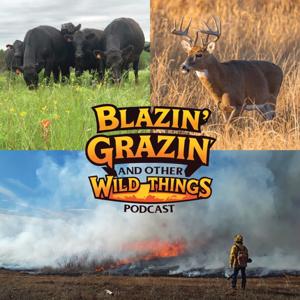

Dr. Esben Kjaer joins the Blazin’ Grazin’ hosts to talk fire, forage, and the fine art of managing rangelands for both cattle and wildlife.
His work from Kansas to North Dakota reveals how prescribed fire and strategic grazing shape biodiversity—from plant and insect communities to nesting birds.
He shares what happens when conservation meets production, and how landowners can use grazing without losing habitat.
The conversation also dives into fire aversion, Kentucky bluegrass invasions, and why fire still beats grazing when it comes to restoring native prairies.
From the challenges of burning in the frozen north to bringing new fire science to Oklahoma, Dr. Kjaer offers both research and real-world lessons for anyone who loves the land, livestock, and a good burn plan.
Top 10 Takeaways
Rundown
00:00 – 02:00 Intro: Meet hosts and guest Dr. Esben Kjaer of OSU’s Natural Resources Department.
02:30 – 04:00 Esben’s journey from Wichita State to North Dakota—early focus on grazing for biodiversity.
04:00 – 09:00 Kansas CRP research: managing 108 sites, studying grazing’s effects on plants, insects, and birds.
09:00 – 12:00 Forb diversity, native legumes, and why light grazing isn’t always enough.
12:30 – 15:00 Infrastructure barriers for CRP grazing—fences, water, and landowner cooperation.
15:00 – 17:00 Avian nesting results: grazing during nesting season shows no harm.
17:00 – 19:00 North Dakota fire story: county commissioner shuts down prescribed burn—fire aversion culture.
19:00 – 23:00 Patch burn grazing vs rotational systems—effects on cattle production and plant diversity.
23:00 – 26:00 Fire’s impact on forage quality and nutrient availability for cattle and wildlife.
26:00 – 30:00 Drought year 2021: effects on vegetation and recovery.
30:00 – 33:00 Kentucky bluegrass invasion and the challenges of managing thatch during burns.
33:00 – 36:00 Fire vs grazing selectivity—how fire reduces pickiness and boosts diversity.
36:00 – 38:00 DNA barcoding for diet analysis—how cattle diets shift after fire.
38:00 – 41:00 Future OSU research: fire alternatives, sericea lespedeza control, and comparing mowing to burning.
41:30 – 42:10 Wrap-up and closing—links to BlazinGrazenWildThings.com.
Find all resources at BlazinGrazinWildThings.com
 View all episodes
 By AgNow Media LLC
Dr. Esben Kjaer joins the Blazin’ Grazin’ hosts to talk fire, forage, and the fine art of managing rangelands for both cattle and wildlife.
His work from Kansas to North Dakota reveals how prescribed fire and strategic grazing shape biodiversity—from plant and insect communities to nesting birds.
He shares what happens when conservation meets production, and how landowners can use grazing without losing habitat.
The conversation also dives into fire aversion, Kentucky bluegrass invasions, and why fire still beats grazing when it comes to restoring native prairies.
From the challenges of burning in the frozen north to bringing new fire science to Oklahoma, Dr. Kjaer offers both research and real-world lessons for anyone who loves the land, livestock, and a good burn plan.
Top 10 Takeaways
Rundown
00:00 – 02:00 Intro: Meet hosts and guest Dr. Esben Kjaer of OSU’s Natural Resources Department.
02:30 – 04:00 Esben’s journey from Wichita State to North Dakota—early focus on grazing for biodiversity.
04:00 – 09:00 Kansas CRP research: managing 108 sites, studying grazing’s effects on plants, insects, and birds.
09:00 – 12:00 Forb diversity, native legumes, and why light grazing isn’t always enough.
12:30 – 15:00 Infrastructure barriers for CRP grazing—fences, water, and landowner cooperation.
15:00 – 17:00 Avian nesting results: grazing during nesting season shows no harm.
17:00 – 19:00 North Dakota fire story: county commissioner shuts down prescribed burn—fire aversion culture.
19:00 – 23:00 Patch burn grazing vs rotational systems—effects on cattle production and plant diversity.
23:00 – 26:00 Fire’s impact on forage quality and nutrient availability for cattle and wildlife.
26:00 – 30:00 Drought year 2021: effects on vegetation and recovery.
30:00 – 33:00 Kentucky bluegrass invasion and the challenges of managing thatch during burns.
33:00 – 36:00 Fire vs grazing selectivity—how fire reduces pickiness and boosts diversity.
36:00 – 38:00 DNA barcoding for diet analysis—how cattle diets shift after fire.
38:00 – 41:00 Future OSU research: fire alternatives, sericea lespedeza control, and comparing mowing to burning.
41:30 – 42:10 Wrap-up and closing—links to BlazinGrazenWildThings.com.
Find all resources at BlazinGrazinWildThings.com