
Sign up to save your podcasts
Or

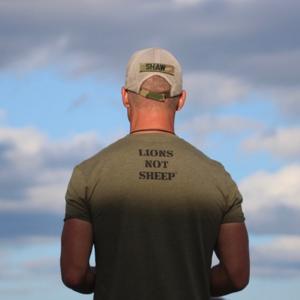

Dr. Daniel Shaw, Lutheran pastor and New Testament professor, comments on a debate between Baptist Gavin Ortlund and Eastern Orthodox Jonathan Pageau about what constitutes the true Church and true Christianity. It contrasts Orthodoxy’s claim that full communion with Christ requires communion with the visible, institutional Eastern Orthodox Church and Protestant/Lutheran ideas of the church as “hidden,” defined by where the gospel is proclaimed, and sacraments are rightly administered. The narrator argues Orthodoxy emphasizes theosis and an ontological, visible reality of salvation that can turn into cooperation with God and uncertainty about “doing enough,” linking this to concerns about works, troubled consciences, and even purgatory. Highlighting a tense exchange, Ortlund says becoming Orthodox would feel like denying the validity of Protestant churches where he encountered Christ, while Pageau suggests Christ is among Protestants similarly to how he is among non-Christians, prompting Ortlund to press whether Protestants differ from Buddhists.00:00 Debate Setup and Stakes00:52 Hidden Church vs Visible Church01:22 Theosis and Salvation Process03:41 Institutional Communion Claims04:39 Where the Gospel Goes Missing05:33 Works Anxiety and Purgatory Logic07:34 Gavin Pushes Back on Exclusivism11:13 Pageau on Christ Among All13:32 Protestants Compared to Buddhists14:16 Law, Works, and James 217:18 Gospel Creates the Church20:03 Ethereal Answers and Final Critique
 View all episodes
 By The Narthex
Dr. Daniel Shaw, Lutheran pastor and New Testament professor, comments on a debate between Baptist Gavin Ortlund and Eastern Orthodox Jonathan Pageau about what constitutes the true Church and true Christianity. It contrasts Orthodoxy’s claim that full communion with Christ requires communion with the visible, institutional Eastern Orthodox Church and Protestant/Lutheran ideas of the church as “hidden,” defined by where the gospel is proclaimed, and sacraments are rightly administered. The narrator argues Orthodoxy emphasizes theosis and an ontological, visible reality of salvation that can turn into cooperation with God and uncertainty about “doing enough,” linking this to concerns about works, troubled consciences, and even purgatory. Highlighting a tense exchange, Ortlund says becoming Orthodox would feel like denying the validity of Protestant churches where he encountered Christ, while Pageau suggests Christ is among Protestants similarly to how he is among non-Christians, prompting Ortlund to press whether Protestants differ from Buddhists.00:00 Debate Setup and Stakes00:52 Hidden Church vs Visible Church01:22 Theosis and Salvation Process03:41 Institutional Communion Claims04:39 Where the Gospel Goes Missing05:33 Works Anxiety and Purgatory Logic07:34 Gavin Pushes Back on Exclusivism11:13 Pageau on Christ Among All13:32 Protestants Compared to Buddhists14:16 Law, Works, and James 217:18 Gospel Creates the Church20:03 Ethereal Answers and Final Critique