
Sign up to save your podcasts
Or

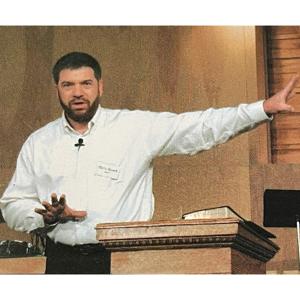

The central message of this sermon is that God knows and shapes the future, and that His plan for humanity involves judgment and wrath on those who reject Him. The teacher argues that God's sovereignty over the future is not only compatible with human free will, but also essential to understanding the Bible's teachings on prophecy and eschatology. The tribulation period, which precedes the millennium and heaven, is portrayed as a time of God's righteous judgment on the earth, where His wrath is poured out on those who reject Christ. This emphasis on God's holiness and justice challenges a modern cultural narrative that emphasizes God's love and relationality to the point of neglecting sin, death, and judgment. The takeaway for listeners is that they should have a deeper understanding of God's plan for humanity, including His judgment on those who reject Him, and live in light of this knowledge.
 View all episodes
 By cstpb
5
22 ratings
The central message of this sermon is that God knows and shapes the future, and that His plan for humanity involves judgment and wrath on those who reject Him. The teacher argues that God's sovereignty over the future is not only compatible with human free will, but also essential to understanding the Bible's teachings on prophecy and eschatology. The tribulation period, which precedes the millennium and heaven, is portrayed as a time of God's righteous judgment on the earth, where His wrath is poured out on those who reject Christ. This emphasis on God's holiness and justice challenges a modern cultural narrative that emphasizes God's love and relationality to the point of neglecting sin, death, and judgment. The takeaway for listeners is that they should have a deeper understanding of God's plan for humanity, including His judgment on those who reject Him, and live in light of this knowledge.