
Sign up to save your podcasts
Or

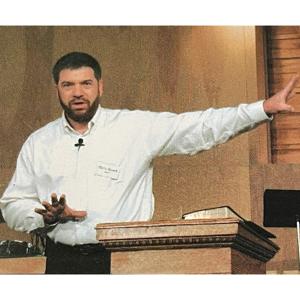

The central message of this sermon is that the concept of the millennium in Christianity has significant implications for one's perspective on God's plan for the world and their behavior in response to it. The speaker argues that understanding the millennium is crucial because it affects how Christians see the present and future, and how they live out their faith. By exploring different views on the millennium, such as premillennialism, postmillennialism, and amillennialism, the sermon reveals that these varying perspectives have shaped Christian thought and practice throughout history. Ultimately, the speaker suggests that the way one understands the millennium can either lead to a sense of urgency and action (premillennialism) or a more gradual and peaceful transformation (postmillennialism). The takeaway is that how we understand the millennium has real-world consequences for our lives, behavior, and faith.
 View all episodes
 By cstpb
5
22 ratings
The central message of this sermon is that the concept of the millennium in Christianity has significant implications for one's perspective on God's plan for the world and their behavior in response to it. The speaker argues that understanding the millennium is crucial because it affects how Christians see the present and future, and how they live out their faith. By exploring different views on the millennium, such as premillennialism, postmillennialism, and amillennialism, the sermon reveals that these varying perspectives have shaped Christian thought and practice throughout history. Ultimately, the speaker suggests that the way one understands the millennium can either lead to a sense of urgency and action (premillennialism) or a more gradual and peaceful transformation (postmillennialism). The takeaway is that how we understand the millennium has real-world consequences for our lives, behavior, and faith.