
Sign up to save your podcasts
Or


“Just eat more protein” is being prescribed everywhere — from doctor’s offices to social media — yet many people are eating more protein than ever and still struggling with hunger, digestive issues, hormonal imbalance, and stalled weight loss. In this solo episode, Ashika, a registered nutritionist and women's health coach helps you break through the protein noise.
You’ll learn how protein actually works in the body, why the type and quality of protein matters, how protein affects appetite hormones like GLP-1, PYY, and CCK, and why ultra-processed “high-protein” products don’t behave the same way as real food.
We also explore how protein supports hormone metabolism, muscle preservation, metabolic health, and nervous system regulation — for both men and women — and why protein needs change based on age, activity level, stress, and digestion.
This episode is for anyone who’s confused by conflicting protein advice and wants clarity, not rules.
If you’ve been eating “high protein” but still don’t feel regulated in your body, this conversation will help you understand why.
Why “just eat more protein” is incomplete advice
How protein actually signals satiety and appetite regulation
What GLP-1 (glucagon-like peptide-1), PYY (peptide YY), and CCK (cholecystokinin) do in the body
Why protein quality and bioavailability matter more than protein grams
The difference between whole-food protein and ultra-processed protein products
Why protein needs vary by age, sex, activity level, digestion, and stress
How protein supports hormone metabolism in both men and women
The connection between protein, cortisol, insulin sensitivity, and metabolic health
Why protein powders and shakes should supplement meals, not replace them
What “ideal protein” actually looks like for sustainable weight loss and nervous system regulation
Anyone confused by protein advice
People eating high protein but still feeling hungry or bloated
Those using or considering GLP-1 medications
Men and women focused on sustainable weight loss
Anyone wanting to support hormones, metabolism, and body trust
Protein isn’t just about eating more — it’s about eating appropriately.
The body responds to protein as information, not just fuel.
Many of these concepts are explored further in The Neurobiological Journey of GLP-1 Weight Loss, co-authored with Ryan Joseph Kopyar, professional clinical counselor examining how nutrition, neurobiology , and metabolism support long-term weight-loss.
Learn more about your hosts
Ryan Joseph Kopyar: https://ryankopyarholistichealing.com/
IG: https://www.instagram.com/ryankopyar?igsh=MWVzbXVxcHJ2N2R6bg==
Ashika Lessani: https://www.houseofashika.com/
IG: https://www.instagram.com/ashikalessanicoach?igsh=ZHloaTZrbnNrN3Bo&utm_source=qr
Join The Community
IG:https://www.instagram.com/myglp1success?igsh=MTA5dWlsMnFtcHNpOA%3D%3D&utm_source=qr
Youtube: https://youtube.com/@myglp1success?si=MF-RdBAiaQhkbcMB
Facebook Group: https://www.facebook.com/share/g/1L7L9nFZSG/
 View all episodes
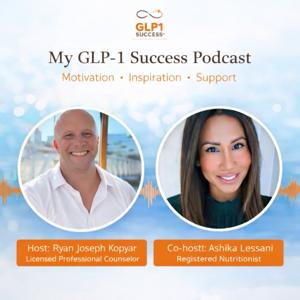
 By Host Ryan Joseph Kopyar & Co-host Ashika Lessani
“Just eat more protein” is being prescribed everywhere — from doctor’s offices to social media — yet many people are eating more protein than ever and still struggling with hunger, digestive issues, hormonal imbalance, and stalled weight loss. In this solo episode, Ashika, a registered nutritionist and women's health coach helps you break through the protein noise.
You’ll learn how protein actually works in the body, why the type and quality of protein matters, how protein affects appetite hormones like GLP-1, PYY, and CCK, and why ultra-processed “high-protein” products don’t behave the same way as real food.
We also explore how protein supports hormone metabolism, muscle preservation, metabolic health, and nervous system regulation — for both men and women — and why protein needs change based on age, activity level, stress, and digestion.
This episode is for anyone who’s confused by conflicting protein advice and wants clarity, not rules.
If you’ve been eating “high protein” but still don’t feel regulated in your body, this conversation will help you understand why.
Why “just eat more protein” is incomplete advice
How protein actually signals satiety and appetite regulation
What GLP-1 (glucagon-like peptide-1), PYY (peptide YY), and CCK (cholecystokinin) do in the body
Why protein quality and bioavailability matter more than protein grams
The difference between whole-food protein and ultra-processed protein products
Why protein needs vary by age, sex, activity level, digestion, and stress
How protein supports hormone metabolism in both men and women
The connection between protein, cortisol, insulin sensitivity, and metabolic health
Why protein powders and shakes should supplement meals, not replace them
What “ideal protein” actually looks like for sustainable weight loss and nervous system regulation
Anyone confused by protein advice
People eating high protein but still feeling hungry or bloated
Those using or considering GLP-1 medications
Men and women focused on sustainable weight loss
Anyone wanting to support hormones, metabolism, and body trust
Protein isn’t just about eating more — it’s about eating appropriately.
The body responds to protein as information, not just fuel.
Many of these concepts are explored further in The Neurobiological Journey of GLP-1 Weight Loss, co-authored with Ryan Joseph Kopyar, professional clinical counselor examining how nutrition, neurobiology , and metabolism support long-term weight-loss.
Learn more about your hosts
Ryan Joseph Kopyar: https://ryankopyarholistichealing.com/
IG: https://www.instagram.com/ryankopyar?igsh=MWVzbXVxcHJ2N2R6bg==
Ashika Lessani: https://www.houseofashika.com/
IG: https://www.instagram.com/ashikalessanicoach?igsh=ZHloaTZrbnNrN3Bo&utm_source=qr
Join The Community
IG:https://www.instagram.com/myglp1success?igsh=MTA5dWlsMnFtcHNpOA%3D%3D&utm_source=qr
Youtube: https://youtube.com/@myglp1success?si=MF-RdBAiaQhkbcMB
Facebook Group: https://www.facebook.com/share/g/1L7L9nFZSG/