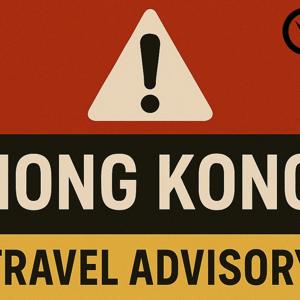
Hong Kong is operating under a Level 2: Exercise Increased Caution travel advisory as of late October 2025, according to the latest update from the U.S. State Department. This caution is due largely to the broad and sometimes arbitrary enforcement of local laws, especially those associated with national security. Smartraveller Australia and the Government of Canada both echo these concerns, highlighting that Hong Kong’s national security legislation can be interpreted widely and enforced unpredictably, meaning even actions that would not be criminal elsewhere may result in legal consequences for visitors.
Listeners should note that demonstrations are now strictly controlled and often illegal without government approval, and even peaceful gatherings can quickly become disruptive or lead to arrest. Authorities may scrutinize anyone participating in, observing, photographing, or reporting on such events, and media workers are especially advised to remain vigilant. Avoid all demonstrations, do not film or photograph them, and heed all instructions from local authorities.
Hong Kong remains one of Asia’s safest cities in terms of violent crime, but listeners are advised to be vigilant for petty crime such as pickpocketing, purse snatching, and credit card or ATM fraud. These incidents most commonly occur in crowded public areas, on public transportation, at markets, and in tourist hubs. The Wan Chai entertainment district has seen some cases of drink spiking; travelers should never leave drinks unattended or accept food or beverages from strangers. Credit card and ATM fraud also occur, so use machines in secure locations and shield your PIN.
There are ongoing health considerations. The first local case of chikungunya fever was confirmed on October 28, 2025, but the U.S. CDC has not yet issued a Travel Health Notice. Hong Kong has an excellent healthcare system, but emergency or private treatment can be expensive for non-residents; arranging comprehensive medical and travel insurance before arrival is strongly recommended. Air pollution often reaches high levels, especially from May through October, posing risks for travelers with respiratory or cardiac conditions. Heat and humidity during these months can lead to dehydration or heatstroke, and typhoon season overlaps from April to October, bringing risks of flooding and landslides. The Hong Kong Observatory issues timely weather alerts, and listeners should be prepared to change plans if severe weather is forecast.
Water in Hong Kong is considered safe to drink, and food safety standards are high; incidents of foodborne illness are uncommon. Public transport is reliable and safe throughout the city, though roads can be congested and traffic is often heavy. Most taxi drivers do not speak English, so having destinations written in Chinese is advised.
As of October 2025, Hong Kong has eased cross-border travel restrictions for drivers heading to Mainland China and Macao, removing previous permit requirements and potentially making regional travel smoother for those with necessary documentation.
Hong Kong enforces strict laws around self-defense items; mace, pepper spray, and similar objects are illegal, and possession can result in detention. Cybersecurity is another consideration: privacy cannot be assumed, with authorities routinely monitoring electronic communications, and travelers should avoid carrying or accessing content critical of the government or mainland China.
In summary, people interested in traveling to Hong Kong this season should exercise increased caution, stay well-informed about weather and local laws, avoid protests, protect valuables, and have robust health insurance. Always follow the instructions of local authorities, monitor news from reputable sources, and register with their home country’s embassy if staying for an extended period.
This content was created in partnership and with the help of Artificial Intelligence AI



 View all episodes
