
Sign up to save your podcasts
Or

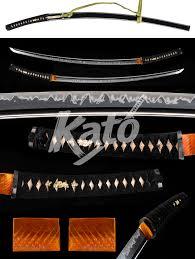

In this episode, we explore how Japanese swords played a powerful role in shaping samurai culture and identity. These blades were far more than weapons; they represented honor, discipline, and responsibility. For the samurai, the sword symbolized personal values and moral strength, making it an essential part of their way of life.
During Japan’s feudal era, the evolution of curved and single-edged blades transformed both combat and social structure. As warfare changed, sword design adapted to focus on speed, balance, and precision. The katana eventually became the most recognized symbol of the samurai, representing both martial ability and social status. Carrying a sword was not only practical but also a public reflection of a warrior’s duty and character.
Training in disciplines like Kenjutsu, Iaido, and later Kendo helped shape mental focus and emotional balance. These practices emphasized patience, mindfulness, and precision, turning swordsmanship into a path of personal growth. Rituals surrounding drawing and handling the blade reinforced respect for tradition and self-discipline.
Today, the cultural influence of these swords continues through martial arts, historical research, and collecting. Educational platforms and reputable sources, such as a reliable samurai sword store, help enthusiasts learn about preservation, history, and traditional craftsmanship. Understanding this legacy provides valuable insight into how swords shaped the values, structure, and philosophy of samurai culture.
 View all episodes
 By Kato Katana
In this episode, we explore how Japanese swords played a powerful role in shaping samurai culture and identity. These blades were far more than weapons; they represented honor, discipline, and responsibility. For the samurai, the sword symbolized personal values and moral strength, making it an essential part of their way of life.
During Japan’s feudal era, the evolution of curved and single-edged blades transformed both combat and social structure. As warfare changed, sword design adapted to focus on speed, balance, and precision. The katana eventually became the most recognized symbol of the samurai, representing both martial ability and social status. Carrying a sword was not only practical but also a public reflection of a warrior’s duty and character.
Training in disciplines like Kenjutsu, Iaido, and later Kendo helped shape mental focus and emotional balance. These practices emphasized patience, mindfulness, and precision, turning swordsmanship into a path of personal growth. Rituals surrounding drawing and handling the blade reinforced respect for tradition and self-discipline.
Today, the cultural influence of these swords continues through martial arts, historical research, and collecting. Educational platforms and reputable sources, such as a reliable samurai sword store, help enthusiasts learn about preservation, history, and traditional craftsmanship. Understanding this legacy provides valuable insight into how swords shaped the values, structure, and philosophy of samurai culture.