
Sign up to save your podcasts
Or


This episode is brought to you by Klarify: Turn therapy sessions into case notes instantly, on any platform. Over 45,000 notes generated for 1800+ therapists. HIPAA, PHIPA, & PIPEDA compliant.
In this episode, I share a deeply personal experience that changed my perspective on AI and therapy forever: the moment I cried while reading a ChatGPT response that understood me better than my closest friends. I'm joined by Dr. Ingrid Söchting, Director of the UBC Psychology Clinic and clinical professor at UBC's Department of Psychiatry, to unpack what this reveals about the future of mental health care.
Dr. Söchting brings three decades of experience training therapists and treating patients with mood disorders, anxiety, OCD, and trauma. As someone who teaches professional ethics and supervises both psychology and psychiatry residents, she offers unique insights into the promises and perils of AI in therapy.
We explore how AI provided validation and insights that felt more profound than human conversations, yet enhanced rather than replaced my relationships with my therapist and friends. Dr. Söchting explains why this shouldn't threaten therapists but could revolutionize access to mental health care. We dive into the ethics of AI confidentiality, why human therapists have limitations too, and how technology might help us customize therapy approaches, from CBT to psychodynamic therapy, based on individual needs.
The conversation reveals how AI could help demystify therapy and make mental health support as normalized as visiting a dentist, while preserving the irreplaceable human elements of therapeutic relationships.
Chapters:
(00:00:00) - The ChatGPT Experience That Changed Everything
(00:03:30) - Teaching Ethics in the Age of AI
(00:08:00) - Can AI Enhance Human-Delivered Therapy?
(00:12:00) - Why I Felt More Seen by AI Than Friends
(00:18:00) - The Limitations of Human Therapists
(00:21:00) - Therapy as Facilitating Epiphanies
(00:23:00) - Vision for 2030: Demystifying Mental Health
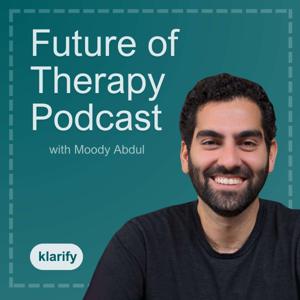
About the Host: Moody Abdul is the co-founder of Klarify and host of the Future of Therapy podcast. After experiencing the powerful combination of therapy and AI tools during a personal breakthrough, he became passionate about helping therapists leverage technology to enhance their practice. Through Klarify, he's working to automate time-consuming tasks like case notes, allowing therapists to focus more on client care. The Future of Therapy podcast reaches over 58,000 therapists across North America.
About Dr. Ingrid Söchting: Ingrid Söchting, Ph.D., is a registered psychologist in British Columbia and the Director of the UBC Psychology Clinic and a clinical professor in the Department of Psychiatry at UBC. She is the coordinator of the UBC Psychiatry Residency CBT Training. Over the past 30 years, she has specialized in individual and group treatment for mood and anxiety disorders as well as OCD and trauma. Prior to leading the clinic at UBC, she was chief psychologist in an outpatient mental health clinic in Vancouver Coastal Health. She teaches Master’s level course in the clinical psychology program at UBC and supervises psychology and psychiatry residents in CBT and Interpersonal Psychotherapy (IPT). Her book Cognitive Behavioral Group Therapy: Challenges and Opportunities. WileyBlackwell (2014) is a complete guide to group therapy across mental health problems.
 View all episodes
 By Klarify
This episode is brought to you by Klarify: Turn therapy sessions into case notes instantly, on any platform. Over 45,000 notes generated for 1800+ therapists. HIPAA, PHIPA, & PIPEDA compliant.
In this episode, I share a deeply personal experience that changed my perspective on AI and therapy forever: the moment I cried while reading a ChatGPT response that understood me better than my closest friends. I'm joined by Dr. Ingrid Söchting, Director of the UBC Psychology Clinic and clinical professor at UBC's Department of Psychiatry, to unpack what this reveals about the future of mental health care.
Dr. Söchting brings three decades of experience training therapists and treating patients with mood disorders, anxiety, OCD, and trauma. As someone who teaches professional ethics and supervises both psychology and psychiatry residents, she offers unique insights into the promises and perils of AI in therapy.
We explore how AI provided validation and insights that felt more profound than human conversations, yet enhanced rather than replaced my relationships with my therapist and friends. Dr. Söchting explains why this shouldn't threaten therapists but could revolutionize access to mental health care. We dive into the ethics of AI confidentiality, why human therapists have limitations too, and how technology might help us customize therapy approaches, from CBT to psychodynamic therapy, based on individual needs.
The conversation reveals how AI could help demystify therapy and make mental health support as normalized as visiting a dentist, while preserving the irreplaceable human elements of therapeutic relationships.
Chapters:
(00:00:00) - The ChatGPT Experience That Changed Everything
(00:03:30) - Teaching Ethics in the Age of AI
(00:08:00) - Can AI Enhance Human-Delivered Therapy?
(00:12:00) - Why I Felt More Seen by AI Than Friends
(00:18:00) - The Limitations of Human Therapists
(00:21:00) - Therapy as Facilitating Epiphanies
(00:23:00) - Vision for 2030: Demystifying Mental Health
About the Host: Moody Abdul is the co-founder of Klarify and host of the Future of Therapy podcast. After experiencing the powerful combination of therapy and AI tools during a personal breakthrough, he became passionate about helping therapists leverage technology to enhance their practice. Through Klarify, he's working to automate time-consuming tasks like case notes, allowing therapists to focus more on client care. The Future of Therapy podcast reaches over 58,000 therapists across North America.
About Dr. Ingrid Söchting: Ingrid Söchting, Ph.D., is a registered psychologist in British Columbia and the Director of the UBC Psychology Clinic and a clinical professor in the Department of Psychiatry at UBC. She is the coordinator of the UBC Psychiatry Residency CBT Training. Over the past 30 years, she has specialized in individual and group treatment for mood and anxiety disorders as well as OCD and trauma. Prior to leading the clinic at UBC, she was chief psychologist in an outpatient mental health clinic in Vancouver Coastal Health. She teaches Master’s level course in the clinical psychology program at UBC and supervises psychology and psychiatry residents in CBT and Interpersonal Psychotherapy (IPT). Her book Cognitive Behavioral Group Therapy: Challenges and Opportunities. WileyBlackwell (2014) is a complete guide to group therapy across mental health problems.