
Sign up to save your podcasts
Or

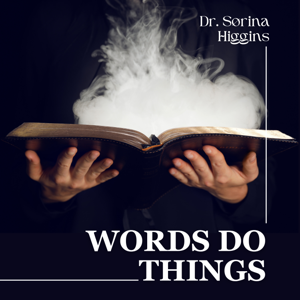

Want to know a little more about what philology is, what Tolkien’s job was, and how languages work (both natural and constructed)? Then join these two professors for a long conversation asking things like: Which words are pretty? Why are they pretty? Does God think they’re pretty? Is English better than German? Is Welsh better than English? They get into the concept of “true names,” important discussions of war and peace, and lament the great decline. The conclusion is that Tolkien condemns coercion and petty tyrants—a topic applicable to our own times as to his.
Carl Edlund Anderson’s faculty page
Carl Edlund Anderson on Google scholar
Carl Edlund Anderson on Academia.edu
If you like this work, please support it by joining my Author’s Circle
If you’re a writer, hire me as your Consulting Editor
If you want more thoughts on politics, subscribe to my Substack
 View all episodes
 By Sørina Higgins
Want to know a little more about what philology is, what Tolkien’s job was, and how languages work (both natural and constructed)? Then join these two professors for a long conversation asking things like: Which words are pretty? Why are they pretty? Does God think they’re pretty? Is English better than German? Is Welsh better than English? They get into the concept of “true names,” important discussions of war and peace, and lament the great decline. The conclusion is that Tolkien condemns coercion and petty tyrants—a topic applicable to our own times as to his.
Carl Edlund Anderson’s faculty page
Carl Edlund Anderson on Google scholar
Carl Edlund Anderson on Academia.edu
If you like this work, please support it by joining my Author’s Circle
If you’re a writer, hire me as your Consulting Editor
If you want more thoughts on politics, subscribe to my Substack