
Sign up to save your podcasts
Or


“Innocent until proven guilty.”
It’s a phrase we all know. A principle we claim to stand on.
But what happens when the reality doesn’t match the words?
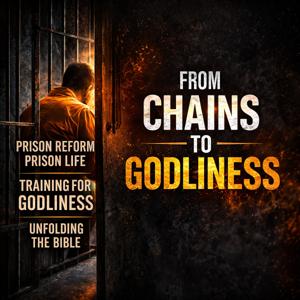
Across this country, men and women—still legally innocent—are held in overcrowded, chaotic jail environments for months or even years while waiting for trial. Conditions that feel less like holding… and more like punishment.
This episode takes a hard look at that contradiction—and asks a deeper question:
If we truly believe in justice… why aren’t we building environments that reflect it?
Drawing not just from observation, but from lived experience, this message explores how environment shapes identity, behavior, and relationships. When dignity is removed, people don’t improve—they break. And when relationships are strained or separated, the damage often follows people long after release.
But the reverse is also true.
When structure, dignity, and family connection are built into the system… outcomes can change.
This isn’t about making incarceration easy.
It’s about making it effective.
Because in the end, the question isn’t how harsh the system should be—
it’s what kind of person that system is producing.
And one day… they’re coming home.
A quick note from the speaker:
You’ll hear a real, unpolished voice in this episode—one that doesn’t always get the English perfect, and today is even pushing through a bit of a cold. But it’s a voice from real life… where the rubber meets the road… speaking on things that truly matter.
 View all episodes
 By Jim & Jody Carmichael
“Innocent until proven guilty.”
It’s a phrase we all know. A principle we claim to stand on.
But what happens when the reality doesn’t match the words?
Across this country, men and women—still legally innocent—are held in overcrowded, chaotic jail environments for months or even years while waiting for trial. Conditions that feel less like holding… and more like punishment.
This episode takes a hard look at that contradiction—and asks a deeper question:
If we truly believe in justice… why aren’t we building environments that reflect it?
Drawing not just from observation, but from lived experience, this message explores how environment shapes identity, behavior, and relationships. When dignity is removed, people don’t improve—they break. And when relationships are strained or separated, the damage often follows people long after release.
But the reverse is also true.
When structure, dignity, and family connection are built into the system… outcomes can change.
This isn’t about making incarceration easy.
It’s about making it effective.
Because in the end, the question isn’t how harsh the system should be—
it’s what kind of person that system is producing.
And one day… they’re coming home.
A quick note from the speaker:
You’ll hear a real, unpolished voice in this episode—one that doesn’t always get the English perfect, and today is even pushing through a bit of a cold. But it’s a voice from real life… where the rubber meets the road… speaking on things that truly matter.