
Sign up to save your podcasts
Or

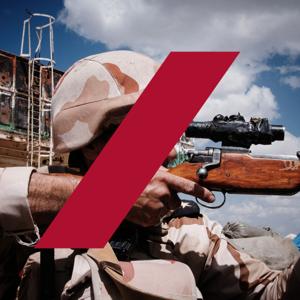

On the winter solstice, soldiers of Azov's Whisky Battalion — a unit made up largely of foreign volunteers from the US, UK, Poland, and beyond — gathered in freezing fog on the banks of a Ukrainian river for the Mysteriya: a ceremony honoring their fallen. Shields bearing the names of seven Azov fighters killed in the past year were laid on the ground, torches were lit, and rounds fired into the sky.The ritual draws on ancient Ukrainian and pagan solstice traditions, organized by Azov's Harunjee — combatant-chaplains unique to the unit — who believe the winter solstice is when souls most easily pass from earth to what Azov soldiers call "Azov Heaven."For a unit long associated with Ukrainian ultra-nationalism, the presence of foreign fighters reflects both military necessity and a deeper tradition of outsiders serving alongside Ukrainians dating back to Cossack times.
 View all episodes
 By Frontsight
On the winter solstice, soldiers of Azov's Whisky Battalion — a unit made up largely of foreign volunteers from the US, UK, Poland, and beyond — gathered in freezing fog on the banks of a Ukrainian river for the Mysteriya: a ceremony honoring their fallen. Shields bearing the names of seven Azov fighters killed in the past year were laid on the ground, torches were lit, and rounds fired into the sky.The ritual draws on ancient Ukrainian and pagan solstice traditions, organized by Azov's Harunjee — combatant-chaplains unique to the unit — who believe the winter solstice is when souls most easily pass from earth to what Azov soldiers call "Azov Heaven."For a unit long associated with Ukrainian ultra-nationalism, the presence of foreign fighters reflects both military necessity and a deeper tradition of outsiders serving alongside Ukrainians dating back to Cossack times.