
Sign up to save your podcasts
Or

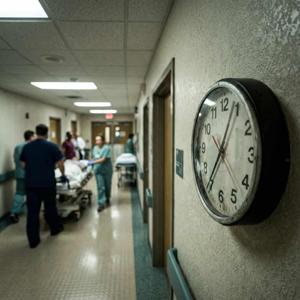

A previously healthy 48-year-old father was found unconscious on his lawn one evening. He arrived at a certified primary stroke center roughly one hour after he was last seen normal — with most of the treatment window still intact. Over the next three hours, the hospital's own stroke protocol was never activated, advanced imaging was delayed, and the on-call neurologist wasn't contacted for nearly two hours. A clot-dissolving medication was finally administered just minutes before the treatment window closed. He was never transferred to a facility capable of performing a clot-retrieval procedure. The litigation lasted four and a half years, featured a digital audit trail that contradicted a key witness's sworn testimony, and settled the night before jury selection.
 View all episodes
 By The Charted Defense
A previously healthy 48-year-old father was found unconscious on his lawn one evening. He arrived at a certified primary stroke center roughly one hour after he was last seen normal — with most of the treatment window still intact. Over the next three hours, the hospital's own stroke protocol was never activated, advanced imaging was delayed, and the on-call neurologist wasn't contacted for nearly two hours. A clot-dissolving medication was finally administered just minutes before the treatment window closed. He was never transferred to a facility capable of performing a clot-retrieval procedure. The litigation lasted four and a half years, featured a digital audit trail that contradicted a key witness's sworn testimony, and settled the night before jury selection.