
Sign up to save your podcasts
Or

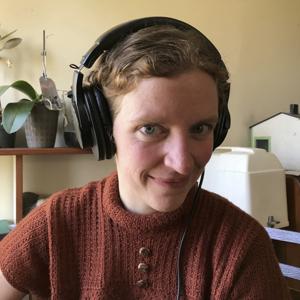

February 21st was International Mother Language Day!
Hosted (briefly, in English) and collected/edited by Jenny, we filled our airwaves with approximately 50 languages from over 70 participants, in celebration of "International Mother Language Day" which is observed every year to promote linguistic and cultural diversity and multilingualism.Thank you to everyone who participated, with a special thanks to the staff and residents at The Village of Riverside Glen and the grade eights at Willow Public School for your extra contributions. We had over ten participants at Willow, and almost 30 at Riverside Glen. And thank you Chrissy Mounir for your help collecting and recording/editing additional languages! The music you will hear during the spoken section of the broadcast are the songs "Jak to Bude, Jak to Půjde Dál" and "Jak Se Daří Muj Milý_ (How Do You Fare, My Dear One_)" by local artist Louisa KratkaThere are seniors who shared that they were pressured to give up their language when they moved to Canada as children, and there are children who are just beginning their journey with English now. There are adults supporting seniors, speaking English to build a comfortable, familiar, somewhat-universal environment for the residents but whom share a world of languages between them outside of those moments, in their breaks and when they're off the clock. There are people who know just a short phrase or song in their ancestral mother language. And our University brings in so many languages too!This is truly a beautiful listen. Not to be missed!There were nearly 50 languages I counted (in addition to English), some languages are similar, some have slightly different names based on the era, and areas in which they're spoken. I did my best to record the language name based on what the participant shared with me, so I apologize for any spelling errors/duplications.The languages you'll hear are Arabic, Assyrian, Bicol, Pampanga, Tagalog/Filipino, česky (czech, czechia), Czech, Chinese, Croatian, German/Deutsche, Swiss-German, Dogri, Dutch, Ekiti, Espanol/Spanish, Farsi, Finnish, French, Gujarati, Hakka, Hindi, Hungarian, Inuktitut, Algonquin Language (Anishinabemowin) dialect from Kitigan Zibi Anishinabeg, Ojibwe, Italian, Jamaican Patois, Japanese, Korean, Latvian, Lithuanian, Mandarin, Mohawk, Nepali, Norwegian, Nzema, Pashto, Polish, Portuguese, Punjabi, Romanian, Russian, Slovak, Tamil, Telugu, Tigrinya, Urdu, Yiddish
This originally aired on February 21st, 2026
 View all episodes
 By Jenny Mitchell
February 21st was International Mother Language Day!
Hosted (briefly, in English) and collected/edited by Jenny, we filled our airwaves with approximately 50 languages from over 70 participants, in celebration of "International Mother Language Day" which is observed every year to promote linguistic and cultural diversity and multilingualism.Thank you to everyone who participated, with a special thanks to the staff and residents at The Village of Riverside Glen and the grade eights at Willow Public School for your extra contributions. We had over ten participants at Willow, and almost 30 at Riverside Glen. And thank you Chrissy Mounir for your help collecting and recording/editing additional languages! The music you will hear during the spoken section of the broadcast are the songs "Jak to Bude, Jak to Půjde Dál" and "Jak Se Daří Muj Milý_ (How Do You Fare, My Dear One_)" by local artist Louisa KratkaThere are seniors who shared that they were pressured to give up their language when they moved to Canada as children, and there are children who are just beginning their journey with English now. There are adults supporting seniors, speaking English to build a comfortable, familiar, somewhat-universal environment for the residents but whom share a world of languages between them outside of those moments, in their breaks and when they're off the clock. There are people who know just a short phrase or song in their ancestral mother language. And our University brings in so many languages too!This is truly a beautiful listen. Not to be missed!There were nearly 50 languages I counted (in addition to English), some languages are similar, some have slightly different names based on the era, and areas in which they're spoken. I did my best to record the language name based on what the participant shared with me, so I apologize for any spelling errors/duplications.The languages you'll hear are Arabic, Assyrian, Bicol, Pampanga, Tagalog/Filipino, česky (czech, czechia), Czech, Chinese, Croatian, German/Deutsche, Swiss-German, Dogri, Dutch, Ekiti, Espanol/Spanish, Farsi, Finnish, French, Gujarati, Hakka, Hindi, Hungarian, Inuktitut, Algonquin Language (Anishinabemowin) dialect from Kitigan Zibi Anishinabeg, Ojibwe, Italian, Jamaican Patois, Japanese, Korean, Latvian, Lithuanian, Mandarin, Mohawk, Nepali, Norwegian, Nzema, Pashto, Polish, Portuguese, Punjabi, Romanian, Russian, Slovak, Tamil, Telugu, Tigrinya, Urdu, Yiddish
This originally aired on February 21st, 2026
192 Listeners