
Sign up to save your podcasts
Or

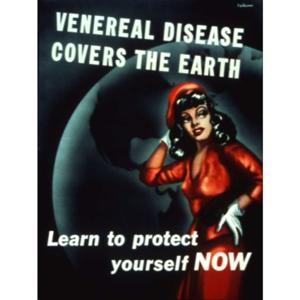

When we start to study the history of disease, we realize that biology and society cannot be separated. Back in the 18th century, important people decided that the study of life and living things should be divided up into different fields. Biologists would study the processes of life, and historians and their ilk would study the facts in the acts of man, since back then, they were mostly interested in men. If there's one thing we're learning today, urgently and painfully, it is that the processes of life and human acts are so tightly bound up that it's impossible to separate them. Some scholars use the word "natureculture" (all in one word) to describe this condition of inseparablity. Diseases like COVID-19 teach us about our interdependency, the ways in which each of our lives depend on and impact, the lives of others, other people and living things. Disease also reveals ways in which societies and communities have neglected and failed to recognize our common interdependency. When we leave some folks excluded from citizenship, vulnerable, deprived, sick, homeless or incarcerated, the ripple effects of these decisions touch every one of us. This was already true before. COVID-19 makes it tangible.
Music credits: Nettle, "Black Eyes" on On A Steady Diet of Hash, Bread, & Salt by Soundeyet (https://freemusicarchive.org/music/Soundeyet/On_A_Steady_Diet_of_Hash_Bread__Salt). Licensed under a Attribution-NonCommercial-ShareAlike 3.0 International License.
 View all episodes
 By Dana Simmons
When we start to study the history of disease, we realize that biology and society cannot be separated. Back in the 18th century, important people decided that the study of life and living things should be divided up into different fields. Biologists would study the processes of life, and historians and their ilk would study the facts in the acts of man, since back then, they were mostly interested in men. If there's one thing we're learning today, urgently and painfully, it is that the processes of life and human acts are so tightly bound up that it's impossible to separate them. Some scholars use the word "natureculture" (all in one word) to describe this condition of inseparablity. Diseases like COVID-19 teach us about our interdependency, the ways in which each of our lives depend on and impact, the lives of others, other people and living things. Disease also reveals ways in which societies and communities have neglected and failed to recognize our common interdependency. When we leave some folks excluded from citizenship, vulnerable, deprived, sick, homeless or incarcerated, the ripple effects of these decisions touch every one of us. This was already true before. COVID-19 makes it tangible.
Music credits: Nettle, "Black Eyes" on On A Steady Diet of Hash, Bread, & Salt by Soundeyet (https://freemusicarchive.org/music/Soundeyet/On_A_Steady_Diet_of_Hash_Bread__Salt). Licensed under a Attribution-NonCommercial-ShareAlike 3.0 International License.