
Sign up to save your podcasts
Or


Not because they are driven. Not because they are ambitious.
Because something in them does not feel safe when they do.
If you are one of them, you already know.
You can sit in a quiet room and still feel braced. Your body is home, but your attention is still at work. You finish one problem and immediately search for the next.
You tell yourself this is responsibility.
But responsibility has a cost.
You give your best thinking to the people who pay for it. The people who love you get what’s left.
Not because you don’t care. Because by the time you walk through the door, you are already spent.
The Voice in Your HeadThere is a voice in your head that never stops talking.
It wakes before you do. Scans for threats. Rehearses conversations you haven’t had yet and replays ones you had years ago.
It tells you to keep going when your body says stop. It tells you to stay quiet when something in you wants to speak.
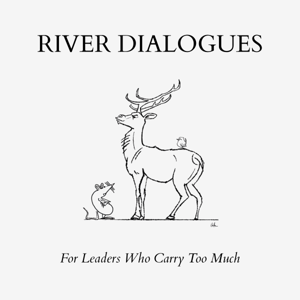
I call that voice the Rat.
Not because it’s bad. Not because it’s your enemy. But because it moves fast, it lives in the walls of the mind, and it is always watching for danger.
The Rat is not you. But it has spoken on your behalf for so long that it can feel like it is.
When it says, “Don’t let them see you struggle,” you don’t hear fear. You hear common sense.
That’s the problem.
GriefMy father died when I was sixteen. I learned early that the world doesn’t wait for you to grieve. You just keep going.
So I kept going.
From the outside, everything looked fine. I worked hard. Focused on hockey. I led high-performing teams. I built a life. Inside, something stayed tight — alert, guarded, unwilling to let go. Even when things were going well, I felt as if I had to hold everything together.
At forty-two, my wife said, “You’re not really here.”
She was right.
The armour that had helped me cope was now keeping me distant — from her, from our children, and from myself.
When my brother died in 2022, that armour cracked. Not gradually. Completely.
I began walking by the Vltava River in Prague. No plan. No technique. Just movement, space, and the sound of water.
Nothing dramatic happened.
But something quieted.
I wasn't looking for a methodology. I was looking for air.
Four PresencesWorking with leaders under pressure, I began to recognise the same pattern. Capable people who weren’t tired from effort alone, but from defending. Performing strength long after it was needed.
Over time, I started to notice four presences in those conversations.
I call them the Stag, the Rat, the Wren, and the River.
Not characters to believe in — simply a way of noticing what was already happening.
Taming the RatTaming the Rat sounds like control. Techniques. Willpower. A system.
That's not what this is.
The way to tame the Rat is not to fight it. It is to build a better relationship with it.
My work shows you how.
This is not just about improving performance. It is about remembering what remains when performance stops.
If you stay with these dialogues, you may begin to hear which parts of you are speaking — and which part has been silent for too long.
If this is something your organisation needs, let’s talk.BOOK A CALL
Illustrations by Mark CulmerAndrew and Mark have been lifelong friends, growing up playing street hockey together—hours in the carparks, sticks in hand, and hip-hop playing in the background. It was a rhythm of movement, instinct, and trust, long before either of them would have put words to it. That dynamic never really left. Years later, it shows up in a different form: one shaping the work, the other shaping how it is brought into the world.
Quiet, instinctive, and built over time—now expressed through River Dialogues.
 View all episodes
 By Andrew Sillitoe
Not because they are driven. Not because they are ambitious.
Because something in them does not feel safe when they do.
If you are one of them, you already know.
You can sit in a quiet room and still feel braced. Your body is home, but your attention is still at work. You finish one problem and immediately search for the next.
You tell yourself this is responsibility.
But responsibility has a cost.
You give your best thinking to the people who pay for it. The people who love you get what’s left.
Not because you don’t care. Because by the time you walk through the door, you are already spent.
The Voice in Your HeadThere is a voice in your head that never stops talking.
It wakes before you do. Scans for threats. Rehearses conversations you haven’t had yet and replays ones you had years ago.
It tells you to keep going when your body says stop. It tells you to stay quiet when something in you wants to speak.
I call that voice the Rat.
Not because it’s bad. Not because it’s your enemy. But because it moves fast, it lives in the walls of the mind, and it is always watching for danger.
The Rat is not you. But it has spoken on your behalf for so long that it can feel like it is.
When it says, “Don’t let them see you struggle,” you don’t hear fear. You hear common sense.
That’s the problem.
GriefMy father died when I was sixteen. I learned early that the world doesn’t wait for you to grieve. You just keep going.
So I kept going.
From the outside, everything looked fine. I worked hard. Focused on hockey. I led high-performing teams. I built a life. Inside, something stayed tight — alert, guarded, unwilling to let go. Even when things were going well, I felt as if I had to hold everything together.
At forty-two, my wife said, “You’re not really here.”
She was right.
The armour that had helped me cope was now keeping me distant — from her, from our children, and from myself.
When my brother died in 2022, that armour cracked. Not gradually. Completely.
I began walking by the Vltava River in Prague. No plan. No technique. Just movement, space, and the sound of water.
Nothing dramatic happened.
But something quieted.
I wasn't looking for a methodology. I was looking for air.
Four PresencesWorking with leaders under pressure, I began to recognise the same pattern. Capable people who weren’t tired from effort alone, but from defending. Performing strength long after it was needed.
Over time, I started to notice four presences in those conversations.
I call them the Stag, the Rat, the Wren, and the River.
Not characters to believe in — simply a way of noticing what was already happening.
Taming the RatTaming the Rat sounds like control. Techniques. Willpower. A system.
That's not what this is.
The way to tame the Rat is not to fight it. It is to build a better relationship with it.
My work shows you how.
This is not just about improving performance. It is about remembering what remains when performance stops.
If you stay with these dialogues, you may begin to hear which parts of you are speaking — and which part has been silent for too long.
If this is something your organisation needs, let’s talk.BOOK A CALL
Illustrations by Mark CulmerAndrew and Mark have been lifelong friends, growing up playing street hockey together—hours in the carparks, sticks in hand, and hip-hop playing in the background. It was a rhythm of movement, instinct, and trust, long before either of them would have put words to it. That dynamic never really left. Years later, it shows up in a different form: one shaping the work, the other shaping how it is brought into the world.
Quiet, instinctive, and built over time—now expressed through River Dialogues.