
Sign up to save your podcasts
Or

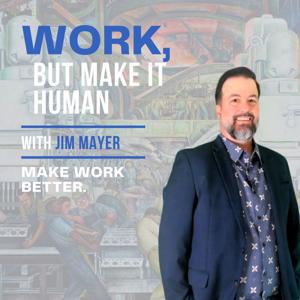

In this episode of "Work But Make It Human," host Jim Mayer welcomes Jennifer Watson, a seasoned life coach and entrepreneur, to discuss the pressing issues of burnout and stress in the workplace. Jennifer emphasizes the importance of recognizing that what many perceive as burnout may actually be a distortion of stress, stemming from a lack of tools to manage workplace challenges. She shares her journey from running a successful physical therapy practice to focusing on executive coaching, highlighting the need for leaders to prioritize human connection and emotional intelligence in their teams.
Jennifer outlines her audacious goal of supporting one million leaders by providing them with the necessary tools to navigate the complexities of modern work environments. She advocates for a shift in workplace policies, particularly around vacation time and work hours, arguing that the traditional nine-to-five model is outdated and detrimental to employee well-being. Throughout the conversation, she offers practical insights on how leaders can foster a healthier work culture by being more attuned to their own emotional states and those of their teams, ultimately leading to improved productivity and job satisfaction.
Takeaways
Chapters
 View all episodes
 By Jim Mayer
In this episode of "Work But Make It Human," host Jim Mayer welcomes Jennifer Watson, a seasoned life coach and entrepreneur, to discuss the pressing issues of burnout and stress in the workplace. Jennifer emphasizes the importance of recognizing that what many perceive as burnout may actually be a distortion of stress, stemming from a lack of tools to manage workplace challenges. She shares her journey from running a successful physical therapy practice to focusing on executive coaching, highlighting the need for leaders to prioritize human connection and emotional intelligence in their teams.
Jennifer outlines her audacious goal of supporting one million leaders by providing them with the necessary tools to navigate the complexities of modern work environments. She advocates for a shift in workplace policies, particularly around vacation time and work hours, arguing that the traditional nine-to-five model is outdated and detrimental to employee well-being. Throughout the conversation, she offers practical insights on how leaders can foster a healthier work culture by being more attuned to their own emotional states and those of their teams, ultimately leading to improved productivity and job satisfaction.
Takeaways
Chapters