
Sign up to save your podcasts
Or

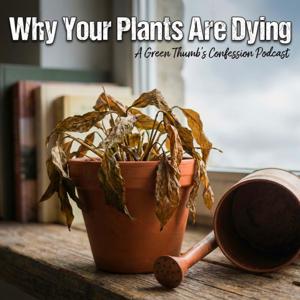

This Episode collectively explore permaculture and social ecology as holistic frameworks for designing sustainable, resilient human habitats by imitating natural ecosystems. The texts outline core methodologies such as forest gardening, water harvesting, and soil building through techniques like sheet mulching and hugelkultur. Beyond practical gardening, the authors examine the scientific evidence and philosophical foundations of these systems, connecting them to concepts of agroecology and dialectical naturalism. They emphasize a move away from industrial agriculture toward polycultures and integrated designs that favor renewable resources and biological diversity. Furthermore, the documents address the economic and social dimensions of ecological living, advocating for community-based land use and a shift in labor perspective from passive consumption to active, regenerative production. Ultimately, the sources present a vision of a harmonious relationship between humanity and the environment, mediated by observation, ethical design, and systemic thinking.
 View all episodes
 By abdelhamid bou ikhessayen
This Episode collectively explore permaculture and social ecology as holistic frameworks for designing sustainable, resilient human habitats by imitating natural ecosystems. The texts outline core methodologies such as forest gardening, water harvesting, and soil building through techniques like sheet mulching and hugelkultur. Beyond practical gardening, the authors examine the scientific evidence and philosophical foundations of these systems, connecting them to concepts of agroecology and dialectical naturalism. They emphasize a move away from industrial agriculture toward polycultures and integrated designs that favor renewable resources and biological diversity. Furthermore, the documents address the economic and social dimensions of ecological living, advocating for community-based land use and a shift in labor perspective from passive consumption to active, regenerative production. Ultimately, the sources present a vision of a harmonious relationship between humanity and the environment, mediated by observation, ethical design, and systemic thinking.