
Sign up to save your podcasts
Or

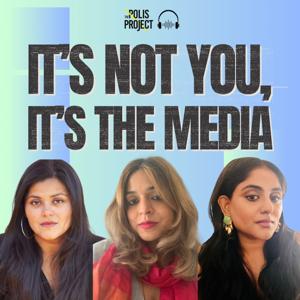

Suchitra, Bhakti, and Madhuri embark on a detailed breakdown of Islamophobia, dissecting its historical roots, modern manifestations, and the critical role the media plays in perpetuating anti-Muslim sentiment. They examine how Islamophobia has evolved from colonial narratives into a sophisticated mechanism of systemic hatred, embedded in global power structures. The episode traces the etymology and history of the term “Islamophobia,” highlighting how it fails to capture the full extent of the deliberate dehumanization faced by Muslims worldwide. The hosts delve into the media’s complicity in spreading stereotypes, from conflating Muslim identities with terrorism to sensationalized portrayals of Muslim women as both oppressed and in need of saving. The discussion also emphasizes the intersectionality of Islamophobia, illustrating how it overlaps with racism, sexism, casteism, and imperialism to create a multi-layered system of discrimination. The hosts describe the ways in which Islamophobia is normalized in diverse contexts – from the United States’ post-9/11 policies to France’s secularism debates and India’s Hindu nationalist agenda.
Keywords: Islamophobia, media, terrorism, pop culture, politics, education, activism, Muslim communities, representation, stereotypes
Key Takeaways:
A podcast by The Polis Project https://www.thepolisproject.com/
References:
 View all episodes
 By Polis Project/Warscapes
Suchitra, Bhakti, and Madhuri embark on a detailed breakdown of Islamophobia, dissecting its historical roots, modern manifestations, and the critical role the media plays in perpetuating anti-Muslim sentiment. They examine how Islamophobia has evolved from colonial narratives into a sophisticated mechanism of systemic hatred, embedded in global power structures. The episode traces the etymology and history of the term “Islamophobia,” highlighting how it fails to capture the full extent of the deliberate dehumanization faced by Muslims worldwide. The hosts delve into the media’s complicity in spreading stereotypes, from conflating Muslim identities with terrorism to sensationalized portrayals of Muslim women as both oppressed and in need of saving. The discussion also emphasizes the intersectionality of Islamophobia, illustrating how it overlaps with racism, sexism, casteism, and imperialism to create a multi-layered system of discrimination. The hosts describe the ways in which Islamophobia is normalized in diverse contexts – from the United States’ post-9/11 policies to France’s secularism debates and India’s Hindu nationalist agenda.
Keywords: Islamophobia, media, terrorism, pop culture, politics, education, activism, Muslim communities, representation, stereotypes
Key Takeaways:
A podcast by The Polis Project https://www.thepolisproject.com/
References: