
Sign up to save your podcasts
Or

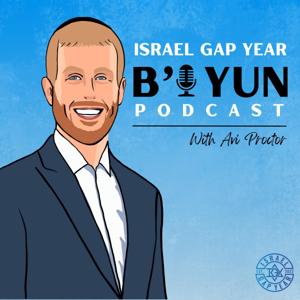


In this episode of the Israel Gap Year B’Iyun Podcast, Avi Proctor sits down with Mrs. Shira Melamed, head of Midreshet Torat Chessed, for a thoughtful conversation about what it truly means to be “on the derech” — and why that definition may need to be reexamined in today’s educational and spiritual climate. Together, they explore the role that chessed plays in a student’s year in Israel, and what may be lost when it’s treated as an “extra” rather than an essential part of growth.
The conversation touches on common misunderstandings surrounding bitul Torah, the relationship between Torah learning and midot development, and how spiritual growth can sometimes occur without a parallel growth in empathy, emotional sensitivity, and derech eretz. They also discuss the responsibility educators carry in shaping not just what students know — but who they become — and how structured chessed can help bridge the gap between intellectual learning and lived Torah values.
This week on the Israel Gap Year B’Iyun Podcast, I sit down with Rav Yair Halevi, Rosh Yeshiva of Yeshivat Torah V’Avodah, to discuss his journey in chinuch and how they built Torah V’Avodah into what it is today.
We talk about what shaped him as an educator, the challenges students face in this generation, and how to create a yeshiva experience that develops not just the mind — but the soul.
A major influence on his philosophy is the Piaseczna Rebbe and the idea of “education of the soul” — individualized growth, real relationships, and speaking the language of today’s students.
Thank you to the sponsor of this weeks Episode TheFutureIsCalling.org If you are thinking about staying in israel after Yeshiva or Seminary and you want to find a place with all the info to get that process started you must visit TheFutureIsCalling.org
In this episode of Israel Gap Year B’Iyun, Avi Proctor sits down with four yeshiva ambassadors for an honest conversation about the yeshiva application process.
Together, they talk about what was going through their heads when deciding where to apply, what confused or overwhelmed them most at the time, and the biggest surprises they experienced once they actually arrived in yeshiva.
The conversation explores what really matters when choosing a yeshiva, what students tend to focus on too much, and what they wish they understood earlier about learning style, structure, rebbeim, social environment, and personal growth. The boys share what they would tell their younger selves during the application stage — especially when everything feels uncertain and high-pressure.
This episode offers practical insight for guys who aren’t sure where they fit and are trying to figure out which yeshiva environment will help them grow the most — not just religiously, but emotionally and socially as well.
A must-listen for any student currently applying to yeshiva — and for parents who want a clearer, more honest picture of what the process actually feels like from a student’s perspective.
The year in Israel is meant to be transformative — but for many students, it’s also emotionally overwhelming. Anxiety, loneliness, identity pressure, and quiet struggles are more common than people realize.
In this episode, Avi speaks with the director of Crossroads Jerusalem about why student mental health looks different today, why many students don’t ask for help, and what real support on the ground actually looks like.
This conversation shines a light on the side of the gap year that often goes unseen — and why awareness matters more than ever.
???? Gap Year Mental Health Guidebook:
https://israelgapyear.com/mental-health-guide/
???? Learn more about Crossroads Jerusalem:
https://www.crossroadsjerusalem.org/
In this episode, Avi Proctor sits down with Rabbi Reuven Schrier for an honest conversation about Modern Orthodoxy, student identity, and what often shifts after a year in Israel.
Many students return from yeshiva or seminary questioning the label “Modern Orthodox.” But are they rejecting the vision — or reacting to how it’s been lived and taught?
Together, they explore where gaps may exist between ideals and reality, how Rav Soloveitchik’s hashkafa is often misunderstood, and the roles parents, schools, and communities play in shaping authentic Judaism. The episode also looks at why students are drawn to extremes — and what a healthier, grounded middle can look like post-Israel.
This is a conversation about listening to hard questions — and asking whether the system reflects what it was meant to be.
In this episode of Israel Gap Year B’IYUN, Avi Proctor sits down with Rabbi Yamin Goldsmith from Sha’alavim for Women to talk honestly about the challenge of Ahavat Yisrael.
Rabbi Goldsmith shares why loving every Jew doesn’t come easily, what that mitzvah actually demands, and how the events of October 7th reframed the way he thinks about Jewish unity. Through personal stories and real examples, the conversation explores practical ways to work on loving others — especially those who think or live differently — and what helps turn this value from an idea into lived action.
Follow Israel Gap Year:
Instagram: https://tinyurl.com/2s3kx22d
Visit our website: Israelgapyear.com
The goal of this episode is simple: to understand why Shraga chose to start a Hesder program, why now, and why specifically within this yeshiva. Rather than speaking in broad terms, the rabbis open up about the thinking, responsibility, and long-term vision behind launching a program of this nature.
Throughout the conversation, they walk through what the Hesder program is intended to look like once it begins, and how Shraga plans to support students physically, spiritually, emotionally, and mentally throughout the entire experience. The discussion focuses on structure, guidance, balance, and the intentional systems being put in place to help students navigate this path in a healthy and grounded way.
This episode is meant to provide clarity and transparency — giving students and parents a real understanding of the ins and outs of a new Hesder program, who it’s meant for, and how Shraga is approaching its launch thoughtfully and responsibly.
Whether you’re a student considering a Hesder path in the future, a parent trying to understand your options, or someone interested in how yeshivot are responding to the moment we’re in, this episode offers an honest and meaningful look behind the scenes.
For questions or to learn more directly:
In this episode of Israel Gap Year B’IYUN, Avi Proctor sits down with Rabbi Taragin of Yeshivat HaKotel for an honest conversation about what happens when the structure of Yeshiva is no longer there - and how to build something that lasts beyond it.
Together, they explore the difference between routine and internal ownership, why so many people struggle once the “bubble” ends, and what it actually looks like to carry momentum into real life. This episode focuses on practical mindsets, sustainable habits, and playing the long game - so growth doesn’t peak in Israel, but continues long after the year ends.
If you are interested to buy a copy of Rabbi Taragin's Sefer you can email him [email protected]
Follow Israel Gap Year:
Instagram: https://tinyurl.com/2s3kx22d
Facebook: https://tinyurl.com/27syypmu
In this episode of Israel Gap Year B’Iyun, Avi Proctor sits down with Rav David Milston, longtime leader of Midreshet HaRova, for a thoughtful conversation about what a year in Israel is supposed to lead to — not just during the year, but long after it ends.
Rav Milston reflects on his personal journey to Eretz Yisrael, the early years of building Midreshet HaRova, and what it takes to create an environment that shapes identity rather than just experience.
The conversation explores how students can stay meaningfully connected to Israel after leaving, what responsibility looks like in the moment Am Yisrael is living through, and how this year can serve as direction rather than a pause from real life.
This episode challenges listeners to see their year in Israel not as an endpoint, but as the beginning of a longer story they are meant to carry forward.
In this episode of Israel Gap Year B’Iyun, Avi Proctor sits down with Rabbi Ben Leybovich to talk about how comparison and pressure have reshaped the way people experience personal and spiritual growth.
They explore why growth today often feels performative instead of personal, how constantly measuring ourselves against others leaves so many feeling stuck or behind, and what authentic growth can look like when it’s rooted in individuality rather than competition.
This conversation offers a healthier, more honest way to think about growth for anyone who has ever felt overwhelmed, disconnected, or unsure they’re growing the “right” way.
Follow Israel Gap Year:
Instagram: https://tinyurl.com/2s3kx22d
Facebook: https://tinyurl.com/27syypmu
From the publisher's feed

32 Listeners

60 Listeners

108 Listeners
1,986 Listeners

0 Listeners

666 Listeners

558 Listeners

3,175 Listeners

49 Listeners
282 Listeners

820 Listeners
1,118 Listeners

28 Listeners
325 Listeners

8 Listeners