
Sign up to save your podcasts
Or

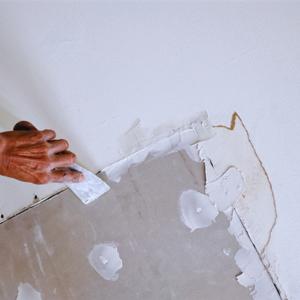

Water damage can weaken ceiling materials, create stains, and lead to mold. Jeff Evans explains how to spot water damage early, what causes it, and how to fix it. His advice helps homeowners take simple steps to protect their ceilings from long-term harm.
Water damage often starts with a leak. Common causes include:
A leaking roof
A broken pipe
A clogged drain
An overflowing toilet or bathtub
Poor ventilation
Jeff Evans points out that water damage often spreads before people notice it. A slow drip from above can lead to a soft spot in the ceiling. If ignored, the ceiling may sag or collapse.
Jeff Evans advises homeowners to look for warning signs. These include:
Yellow or brown stains
Peeling paint
Bubbles under the paint or drywall
A musty smell
Damp spots after rain or plumbing use
If you see these signs, Jeff Evans recommends checking the area above the ceiling. This helps find the source of the problem before it grows worse.
Jeff Evans breaks the process into six clear steps. He stresses the importance of acting quickly.
Before any repair begins, Jeff Evans says to find and stop the leak. Use a flashlight to check pipes, roof areas, or vents above the damage. If you cannot find the source, call a licensed plumber or roofer.
Once the leak stops, remove all moisture. Use fans, a dehumidifier, or both. Jeff Evans says the ceiling must be completely dry before any repair. Wet drywall can hide mold and rot.
Jeff Evans explains that only dry, solid parts of the ceiling can stay. Cut away soft, cracked, or moldy sections using a utility knife or drywall saw. Remove all insulation that is damp or dirty.
If mold is present, Jeff Evans recommends using a mix of water and white vinegar. Spray the area and let it sit for an hour. Wipe it clean and let it dry. Always wear gloves and a mask during this step.
Measure the gap where you removed damaged drywall. Cut a new piece to match. Use drywall tape and joint compound to seal the edges. Jeff Evans says to apply thin layers, letting each dry before adding more. Sand the area smooth when finished.
Jeff Evans advises using a stain-blocking primer before painting. This stops old stains from showing through. Choose a paint that matches the existing ceiling color. Two coats are often enough.
Jeff Evans warns against three common errors.
Not fixing the leak first: Repairs will fail if water still enters the ceiling.
Skipping the drying step: Moisture will weaken repairs and allow mold to grow.
Using regular primer: Ceiling stains can bleed through basic paint.
Jeff Evans estimates a small repair takes one to two days, including drying time. Larger jobs may take up to a week. The most time-consuming part is waiting for each layer to dry.
Some ceiling damage is too serious for DIY repairs. Jeff Evans says you should call a professional if:
The ceiling sags or bulges
Mold covers a wide area
You cannot find the leak
The damage keeps coming back
Professionals can handle large areas, structural repairs, and plumbing or roofing fixes. They also check for hidden issues that may affect safety.
Jeff Evans shares simple tips to avoid repeat problems.
Inspect your roof twice a year
Clean gutters to prevent overflow
Check pipes for leaks
Use exhaust fans in bathrooms
Insulate pipes in cold weather
Test water shut-off valves yearly
Prevention saves time and money. It also helps keep your ceiling strong and dry.
Jeff Evans lists the basic tools and materials needed:
Flashlight
Utility knife
Drywall saw
Drywall patch
Joint compound
Drywall tape
Sandpaper
Stain-blocking primer
Ceiling paint
Dehumidifier or fans
Mold cleaner (vinegar or commercial product)
Safety gear (gloves, mask)
Buying the right tools helps avoid delays and poor results.
Can I paint over water stains without repair?
Jeff Evans says no. The stain may reappear. You must fix the leak and use a primer.
Is mold always visible?
Not always. Jeff Evans says mold can grow behind drywall. A musty smell is often the first sign.
 View all episodes
 By VictorLane
Water damage can weaken ceiling materials, create stains, and lead to mold. Jeff Evans explains how to spot water damage early, what causes it, and how to fix it. His advice helps homeowners take simple steps to protect their ceilings from long-term harm.
Water damage often starts with a leak. Common causes include:
A leaking roof
A broken pipe
A clogged drain
An overflowing toilet or bathtub
Poor ventilation
Jeff Evans points out that water damage often spreads before people notice it. A slow drip from above can lead to a soft spot in the ceiling. If ignored, the ceiling may sag or collapse.
Jeff Evans advises homeowners to look for warning signs. These include:
Yellow or brown stains
Peeling paint
Bubbles under the paint or drywall
A musty smell
Damp spots after rain or plumbing use
If you see these signs, Jeff Evans recommends checking the area above the ceiling. This helps find the source of the problem before it grows worse.
Jeff Evans breaks the process into six clear steps. He stresses the importance of acting quickly.
Before any repair begins, Jeff Evans says to find and stop the leak. Use a flashlight to check pipes, roof areas, or vents above the damage. If you cannot find the source, call a licensed plumber or roofer.
Once the leak stops, remove all moisture. Use fans, a dehumidifier, or both. Jeff Evans says the ceiling must be completely dry before any repair. Wet drywall can hide mold and rot.
Jeff Evans explains that only dry, solid parts of the ceiling can stay. Cut away soft, cracked, or moldy sections using a utility knife or drywall saw. Remove all insulation that is damp or dirty.
If mold is present, Jeff Evans recommends using a mix of water and white vinegar. Spray the area and let it sit for an hour. Wipe it clean and let it dry. Always wear gloves and a mask during this step.
Measure the gap where you removed damaged drywall. Cut a new piece to match. Use drywall tape and joint compound to seal the edges. Jeff Evans says to apply thin layers, letting each dry before adding more. Sand the area smooth when finished.
Jeff Evans advises using a stain-blocking primer before painting. This stops old stains from showing through. Choose a paint that matches the existing ceiling color. Two coats are often enough.
Jeff Evans warns against three common errors.
Not fixing the leak first: Repairs will fail if water still enters the ceiling.
Skipping the drying step: Moisture will weaken repairs and allow mold to grow.
Using regular primer: Ceiling stains can bleed through basic paint.
Jeff Evans estimates a small repair takes one to two days, including drying time. Larger jobs may take up to a week. The most time-consuming part is waiting for each layer to dry.
Some ceiling damage is too serious for DIY repairs. Jeff Evans says you should call a professional if:
The ceiling sags or bulges
Mold covers a wide area
You cannot find the leak
The damage keeps coming back
Professionals can handle large areas, structural repairs, and plumbing or roofing fixes. They also check for hidden issues that may affect safety.
Jeff Evans shares simple tips to avoid repeat problems.
Inspect your roof twice a year
Clean gutters to prevent overflow
Check pipes for leaks
Use exhaust fans in bathrooms
Insulate pipes in cold weather
Test water shut-off valves yearly
Prevention saves time and money. It also helps keep your ceiling strong and dry.
Jeff Evans lists the basic tools and materials needed:
Flashlight
Utility knife
Drywall saw
Drywall patch
Joint compound
Drywall tape
Sandpaper
Stain-blocking primer
Ceiling paint
Dehumidifier or fans
Mold cleaner (vinegar or commercial product)
Safety gear (gloves, mask)
Buying the right tools helps avoid delays and poor results.
Can I paint over water stains without repair?
Jeff Evans says no. The stain may reappear. You must fix the leak and use a primer.
Is mold always visible?
Not always. Jeff Evans says mold can grow behind drywall. A musty smell is often the first sign.