
Sign up to save your podcasts
Or

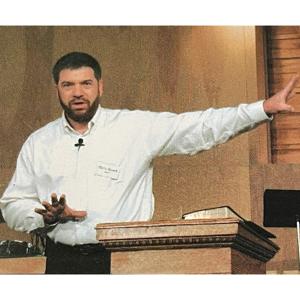

The central message of this sermon is that Christianity is a finished work, meaning that Jesus' death and resurrection on the cross have completed the task of saving humanity from sin. The speaker emphasizes that "it is finished" (tetelestai) is not an ongoing process, but rather a past event that cannot be repeated or reenacted. This idea is contrasted with the Catholic Church's doctrine of transubstantiation, which holds that the bread and wine used in the Eucharist literally become the body and blood of Christ, implying that Jesus' sacrifice is still being repeated. The speaker argues that this understanding of salvation is flawed and that it ignores the clear message of Scripture, specifically the phrase "it is finished." By highlighting the importance of this phrase, the speaker encourages listeners to understand Christianity as a completed work, rather than an ongoing process that requires ritual or sacramental reenactment.
 View all episodes
 By cstpb
5
22 ratings
The central message of this sermon is that Christianity is a finished work, meaning that Jesus' death and resurrection on the cross have completed the task of saving humanity from sin. The speaker emphasizes that "it is finished" (tetelestai) is not an ongoing process, but rather a past event that cannot be repeated or reenacted. This idea is contrasted with the Catholic Church's doctrine of transubstantiation, which holds that the bread and wine used in the Eucharist literally become the body and blood of Christ, implying that Jesus' sacrifice is still being repeated. The speaker argues that this understanding of salvation is flawed and that it ignores the clear message of Scripture, specifically the phrase "it is finished." By highlighting the importance of this phrase, the speaker encourages listeners to understand Christianity as a completed work, rather than an ongoing process that requires ritual or sacramental reenactment.