
Sign up to save your podcasts
Or

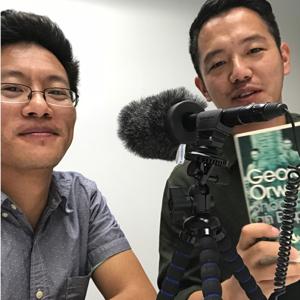


ཨིན་ཇི་བཙན་རྒྱལ་རིང་ལུགས་སྐབས་ཀྱི་རྩོམ་པ་པོ་གྲགས་ཅན་རཌ་ཡཌ་ཀིཔ་ལིང་གི་བརྩམས་སྒྲུང་<ཀིམ།> ནི་བུ་ཆུང་གཞོན་ནུ་ཀིམ་དང་བོད་པའི་བླ་མ་“ཀྲེ་ཤུ་”(བཀྲ་ཤིས་ནས་ཟུར་ཆག་པ་འདྲ) བར་གྱི་བླ་སློབ་ཀྱི་འབྲེལ་བ་ཟབ་མོ་མཚོན་བཞིན་བླ་མའི་ཐུགས་རེ་ལྟར་འཕགས་ཡུལ་ཉུལ་ནས་སངས་རྒྱས་ཀྱིས་བྱིན་གྱིས་བརླབས་པའི་ཆུ་བོ་ཞིག་འཚོལ་བའི་བ་དང་། དེ་དང་དུས་མཚུངས་ཀིམ་རང་ཉིད་ཚར་ལོང་བྱུང་བཞིན་ཨིན་ཇི་གཞུང་གི་གསང་ཉུལ་གྱི་ལས་ཀར་བཞུགས་ནས་དགྲ་བརྒོལ་བྱས་པ་སོགས། རྒན་གཞོན་སུས་ཀློག་ཀྱང་བརྩམས་སྒྲུང་སྒྱུ་རྩལ་གྱི་བྲོ་བ་ཆེ་ཞིང་། མི་སྣའི་བཞེངས་སྐྲུན། ཡུལ་སྐོར། ལོ་རྒྱུས་ཀྱི་གནས་ཚུལ་དང་ཆབ་སྲིད་ཀྱི་རྒྱབ་ལྗོངས་སོགས་ཀྱི་མཐོང་སྣེ་སྣ་མང་ཅན་གྱི་བརྩམས་ཆོས་ཤིག་ཆགས་ཡོད། ད་དུང་དེ་ལ་ཕྱིས་སུ་ཨེཌ་བཌ་ས་ཡེད་ཀྱིས་བཙན་རྒྱལ་ཕྱི་མའི་ལྟ་ལུགས་ཐོག་ནས་དཔྱད་ཞིབ་ཟབ་མོ་བྱས་ཡོད་པ་སོགས་ནི་ད་ལན་ལེ་ཚན་འདིའི་བརྗོད་གཞིའོ།
Despite Kipling's deep imperial sympathies, 'Kim' still remains an eminently readable novel today. I got the urge to pick up this book again after seeing an old Buddhist monk and his young charge in Bodhgaya recently. As a Tibetan, I do have several complaints about Kipling's description of Teshoo Lama who gives his blessings in 'ornate Chinese' and his predeliction for pointing out 'Oriental/Asiatic' tendencies in his native characters. Yet, as Edward Said notes in his essay on the novel, 'Kim' is not a political tract but a master work of imperialism, 'a rich and absolutely fascinating, but nevertheless profoundly embarrassing novel.' I discuss the novel and the essay in this new (short) episode.
ལེ་ཚན་སྔ་མའི་མུ་འབྲེལ་དུ་ད་ལན་ང་ཚོའི་ཕཱ་རཱན་སིའི་རྩོམ་པ་པོ་དང་ལྟ་གྲུབ་སྨྲ་བ་ཨཱལ་བེར་ཀཱ་མུའུའི་བརྩམས་སྒྲུང་<ཕྱི་མི།> ལ་དཔྱད་ཞིབ་དང་དེ་འབྲེལ་གནས་སྟངས་རིང་ལུགས་དང་ཆོ་མེད་རང་བཞིན་གྱི་ལྟ་གྲུབ། དེ་བཞིན་རྩོམ་པ་པོ་ཁོང་ཉིད་ལ་གཞན་གྱིས་སྡོམ་ཚིག་གནང་བ་ལ་ཕྱིར་ལྟ་དང་<མཚན་ཞག་སྟོང་གི་གཏམ་རྒྱུད།> ནས་གཏམ་རྒྱུད་དང་སྒྲུང་གི་རིན་ཐང་མདོ་ཙམ་སོགས་གླེངས་ཡོད།
As a sort of continuation of our previous episode, this time we discuss Albert Camus’s famous novel ‘The Outsider’ and try to explore the ideas behind the philosophy of Existentialism/Absurdism which Camus highlighted through the novel’s anti-hero. We also briefly discuss literary critic Harold Bloom’s take on Camus and close with some thoughts on ‘One Thousand And One Nights'.
གདན་ཞུའི་བགྲོ་གླེང་བ་འཕྲིན་ལས་དབང་ཕྱུག་དང་ལྷན་དུ་ངེད་ནས་ནུབ་ཕྱོགས་ཀྱི་དེང་རབས་རྩོམ་རིག་སྒྱུ་རྩལ་ཁྲོད་ཀྱི་སྒྲུང་ཐུང་གྲགས་ཆེ་ཤོས་གྲས་འདིའི་སྐོར་དཔྱད་གླེང་བྱས་ཡོད།
We discuss one of the most famous short stories of modern Western literature with our episode guest Thinley Wangchuk
མི་རིགས་ཀྱི་ལྟ་བ་དེའི་བྱུང་རིམ་གང་འདྲ་ཞིག་ཡིན། དེ་ནི་མིའི་སྤྱི་ཚོགས་དང་རང་གཤིས་སུ་གདོད་མ་ནས་ཡོད་པའི་བསམ་བློ་ཞིག་ཡིན་ནམ།ཡང་ན་འཛམ་གླིང་ལོ་རྒྱུས་ཀྱི་ཀྱོག་འཚམས་དང་འགྱུར་ལྡོག་ངེས་ཅན་འགའ་ལ་བརྟེན་ནས་ད་གཟོད་བྱུང་བ་ཞིག་ཡིན། ཨེན་ཌར་སན་ལ་ལྟར་ན་མི་རིགས་ཀྱི་ལྟ་བའི་འཕེལ་རིམ་ནི་དུས་རབས་ ༡༨ ཡས་མས་ནས་བྱུང་བའི་མ་རྩ་རིང་ལུགས་དང་པར་སྐྲུན་གྱི་ནུས་པ་ཟུང་འབྲེལ་ལ་ཐུག་ཡོད། མ་ཟད་དེ་སྐབས་ཀྱི་པར་སྐྲུན་གྱི་ཐོན་རྫས་གཙོ་བོ་གཉིས་ཏེ་གསར་ཤོག་དང་བརྩམས་སྒྲུང་གིས་མི་རིགས་ཀྱི་ལྟ་བ་ཞིག་ཐོག་མར་མིའི་བློ་ཡུལ་དུ་འཆར་བར་བྱས་ཡོད། གནད་དོན་འདི་དག་ནི་ད་ལན་གྱི་ལེ་ཚན་གྱི་བརྗོད་དོན་གཙོ་བོ་ཡིན། གསན་སྤྲོ་བོ་ཡོང་བར་ཞུ།
It is said that nations are 'objectively recent but subjectively ancient', or even eternal. So, then, how do we define a nation? For Anderson, nations come about through an act of imagining a political community, and it was first made possible in the 18th century by the advent of print capitalism. This is the gist of his seminal book (or at least its first three chapters). To hear us struggle to render accurately the term 'imagined communities' in Tibetan, also struggle to explain Anderson's unique take on how novels brought about a new way of apprehending time and thereby made it possible to imagine a nation, tune it to the latest Khyeltam episode.
We sat down to chat with Tenzin Choephel on the status of Tibetan language in exile and why more Tibetans should enter the field of Tibetan Studies. Choephel, born in Tibet, holds an MPhil in Tibetan and Himalayan Studies from the University of Oxford. He is also the founder of EasyTibetan and co-founder of TibShelf.
ཐེངས་འདིར་ང་ཚོས་བསྟན་འཛིན་ཆོས་འཕེལ་ལགས་དང་ལྷན་དུ་བཙན་བྱོལ་དུ་བོད་ཀྱི་སྐད་ཡིག་གི་གནས་བབས་དང་། དེ་བཞིན་བོད་རིག་པའི་ཞུབ་འཇུག་ཁོངས་སུ་བོད་དང་བོད་རིགས་མང་དུ་འཇུག་དགོས་པ་སོགས་ཀྱི་སྐོར་ཁ་བརྡ་བྱས་ཡོད། ཆོས་འཕེལ་ནི་བོད་ནང་སྐྱེས་བཞིན་ཨིན་ཇིའི་གཙུག་ལག་སློབ་གྲྭ་ཆེན་མོ་ཨོགསི་ཕོཌ་ནས་བོད་དང་ཧི་མ་ལ་ཡའི་རིག་པའི་ཐོག་ཉེ་བའི་འབུམ་རམས་པའི་སློབ་གཉེར་གནང་། ཁོང་གིས་དྲ་ཐོག་ནས་བོད་ཡིག་སློབ་པའི་༼སློབ་སླའོ།༽སོགས་ཀྱང་གསར་འཛུགས་གནང་ཡོད།
After a long hiatus (perhaps inevitable in any long-distance, non-romantic relationship), we finally sat down to talk about something serious: Tibet and the Global Left. Expect a quick detour into a Tibetan YouTube controversy along the way.
Intro/Outro theme: Karachal - Alash Ensemble (freemusicarchive.org/music/Alash_Ensemble/)
Discussion on the Epic of Gesar with Khenpo Ju Tenkyong.
(Image: Himalayan Art Resources Inc.)
A short series on the history of 20th-century China.
Intro/Outro theme: Karachal - Alash Ensemble (freemusicarchive.org/music/Alash_Ensemble/)
Image: Anonymous. The Qianlong Emperor as an Emanation of the Bodhisattva Manjusri. Thangka, ink, and colors on silk. Palace Museum, Beijing. Presented entirely in keeping with Tibetan Buddhist iconography, this religious painting and others like it reinforced Qianlong's claim to rule as a righteous "wheel-turning king," or chakravartin. © Palace Museum, Beijing.
A short series on the history of 20th-century China.
Intro/Outro theme: Karachal - Alash Ensemble (freemusicarchive.org/music/Alash_Ensemble/)
Image: A Propaganda poster for the Chinese People’s Liberation Army, with Red Army and Red Guard members charging forward holding Mao Zedong’s Little Red Book. Photograph: GraphicaArtis/Getty Images
An episode on the final chapter of Marx's Capital Vol. 1 where he delves into the origins of capitalist mode of production, giving an alternate picture of the theory of so-called primitive accumulation. (Image: Cover, Capital - Wordsworth Editions)
From the publisher's feed
A podcast in Tibetan by two Tibetans, Jamyang Phuntsok and Ugyan Choedup, to discuss some Tibetan and not-so-Tibetan topics. Contact: [email protected]