
Sign up to save your podcasts
Or


The text featured below is the transcription of the video above.
Hi guys. Today I thought we would talk about alternatives.
So, I don’t want to spend too much time going into too much detail about alternatives. I’ll be back with more food vlogs. I’m doing some different things but today is going to be kind of a twofer. I want to talk a little bit about alternatives, and I want to talk a little bit about I Wish I Could Eat That, the book I’ve been working on. So, first thing straight out the gate, let’s start with I Wish I Could Eat That.
So, I had been contemplating releasing the book sooner. but then, I started my new job, and I knew that I might have an opportunity to take some classes, and I’m So, glad that I decided to wait. I don’t think that what I was, you know, coming up with was, like, garbage or anything. I’m not getting any indication in my workshops that anything that I’ve written has been remotely garbage. But there were a lot of things that I’ve been learning about this process. So, I’ve been writing for a long time, and I’ve taken classes and different things like that just to hone my skill. I’m not an insecure person. I know I have creativity, that is one of my blessings. There’s a lot of things in this world I’m not blessed with, but creativity isn’t one of them. But storytelling and creativity is just one component of writing, especially if you’re writing something that you plan on releasing to the world. So, I do, you know, read a craft book from time to time or take a class. But for the past two decades at least, I’ve mostly been immersed in the world of fiction. I have a little bit of a detour from fiction in the form of picture books for kids. But, I mean, you know, there is, you know, some talent and creativity and some methodology behind that, but it’s not too much of a stretch from the, the creative process for doing fiction. But I’m writing a memoir.
You know, I’ve done one other nonfiction thing, but it was pretty much just an opinion commentary of me going on the page, and I enjoyed doing it. But it’s very different when you are, reaching, trying to write, to reach an audience, to be able to actually give them something, provide them with some inspiration or some information to kind of bare your soul and be really honest. one thing that I’ve always said when I’ve talked about writing fiction to other people is that anything that you write, even fiction, is autobiographical to a certain degree. And I wholeheartedly believe that there’s people out there who are like, no, I’ve written something that has absolutely nothing to do with me. That in and of itself could be autobiographical. If you’ve written something that is the exact opposite of you, that says something about you, it says something about your writing. But that’s not what I’m talking about right now.
So, because I am really hoping to like, meet/reach people with this, I’m not, you know, trying to write like a bestseller or anything. Like I want to reach people because I know that someone out there needs this because I needed it and I didn’t have it. And so, I’m writing it, and I’m not saying that it doesn’t exist. I, you know, I’ve been going out and doing my research and finding different things. And, I’ve found a couple of things, but nothing quite like this. And I’m not like a pioneer or anything like that. I’m just coming from a very specific vantage point. You know, times and themes change over years and decades or, you know, whatever the current era may be, and there may be someone else right now working on a very similar idea, you know, that happens. People have similar ideas at different points in time. And so, who knows, maybe there will be lots of books like this. But for now, this is the one that I’m writing is the one that I came up with. And so, it was important for me to be able to workshop that in a class.
And I’ve gotten some amazing feedback. I’ve learned, you know, some of the direction that I’m going, how to turn it around and kind of keep a focus and, sharing things that are like being more direct about some of the personal things and not being so vague. You know, things like that. So, needless to say, the class is going really well. And I’m in the revision stage because, a lot of the people taking the class, they’re either like just starting their memoirs or they’ve been working on them for a while, but not really, prepared for like, publication just yet. I’m sure they will. I’ve, I’ve they’ve shared some amazing things, and I want to read everything that they’re all writing. But I know for a fact that, I can’t believe I think this is like my second no, this is my third draft. And so, this third draft is the one I’m going to publish, but I’m revising it right now. So, by the time I finish revising it, it’ll probably be a fourth draft, and I’m okay with that. But, So, anyway, just wanted to give you that quick update.
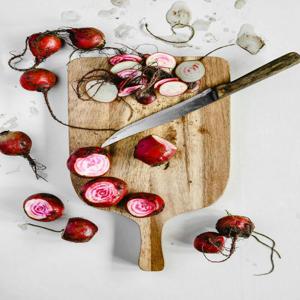
So, now back to alternatives. So, a lot of the content of my book focuses on what my health issues really like, what they are like, why I have these issues and why my diet is so affected by these issues, and how I’m choosing to use my diet to help with some of my issues. And so, with that, I talk a lot about like alternative ingredients because of all of the things that I can eat. And I’m not going to go through the whole rigmarole now, but I’m just going to mention a few things. So, for those of you who are maybe not listening, you are watching on like YouTube or maybe you’re on Substack; the logo that I’m currently using is, you know, not authentic is the word, but there’s a picture of like a cutting board. And I’ve got some beets on the table and I’m that is when I came across that image, it just, like struck me in the head, like I really felt like I’d been hit, but in, like, a good way. when I first started this journey, I really wasn’t trying to come up with, alternatives for, like, everything. I just needed something to kind of get me by. I was just tired of eating, like rice and toast, and, I was losing weight, but not in a good way. Like it was- it was not, like, healthy. It was. I don’t really know how to describe it right now, but one of the things that, when I first learned about all of the stuff I have going on and figuring out what I couldn’t eat was, I couldn’t eat tomatoes, which for me was devastating.
I know that sounds dramatic, but I talked previously when I was talking about non-dairy cheese, how I was one of those people who used to just drink milk like that was one of my beverage choices. Well, tomatoes was something that I just ate. I would eat them like grapes, like, I, I loved pretty much all the tomato-based products. I’m really trying to think if there was a tomato-based product that I didn’t like, I ate ketchup, I ate barbecue, I ate cocktail sauce, I ate Marinara. You know, I would have them on burgers, on salads, raw, cooked. I mean, I just was a tomato eater. And for a doctor to look at me and say, hey, you can’t eat that anymore. I was like, I rebuke you. for those of you who don’t get that, don’t worry about it. But, no, it took me a while to just kind of accept that.
And, you know, sometimes when you have to eliminate foods from your diet, it’s not permanent. You can, you know, heal yourself over time. And there are some things that you can go back to eating. But because my acid sensitivity is So, strong, I don’t know that I’m ever going to be able to eat tomatoes like casually the way I did once. I do still kind of dabble with my elimination diet and, you know, journal things to try different things, but So far, it’s just not there. And so, the reason why I’m talking about alternatives is because there is nothing else that serves as a one-to-one alternative for tomato. There just isn’t. But I’ve learned how to mix and match and blend ingredients together to be able to make different things, to replace all of the different tomato things that, I used to have. And, whenever I do finish the first book, I wish I could eat that. I already have plans to do a second one, just because so much has happened and I’ve learned So, much. Needless to say, there are alternatives to tomato out there. It’s just not one thing. It’s, you know, it takes time. It takes work. It takes creativity. I’ve learned a lot from the internet, believe it or not. definitely a lot from YouTube and a lot from my own experimentation.
So, beets. Beets are, one of the ingredients that you can use to help, if you aren’t able to have tomatoes Now. So, my main concern is the acid sensitivity. But tomatoes are also, a nightshade, which I am sensitive to nightshades. And there’s other people out there who are sensitive to nightshades. So, you might be wanting to think, oh, okay, this lady is going to tell me some stuff because I’ve been missing tomatoes. Like I said, I don’t have a one to one for you. I just have some things for you to check out. So, the great things about beets when it comes to being a tomato replacement is that they’ve got the color. So, that’s going for them. and the other thing is that, they also, have a very mild, very mild kind of umami when they are prepared in the right way. And tomatoes are just chock full of like, that umami flavor that savoriness that, you expect from it. And so, depending upon how you’re preparing your beets and, you know, other things that you’re mixing them with, it can really work for you. And so, I make a marinara sauce and the base of it is beets. Now again this isn’t something that I came up with totally on my own. Do a quick Google search for No-mato sauce or mock marinara and you’ll find a bunch of different things. the challenge for me was to be able to create a marinara that was entirely, completely nightshade free and also, allium free. Allium free is where most people are like, nah, you lost me, I’m out.
So, again, in case you don’t know, I’m just going to do a very quick description of this allium. Are any of the vegetables that are herbs also, that happen to be in the onion, garlic chives? leek like that family? I can’t eat any of those, which is also, heartbreaking because roasted garlic was probably like my third favorite thing on the planet in terms of food. So, anyway. I had to be able to come up with a recipe that excluded nightshades and alliums And I’m actually kind of testing the ground on whether or not I’ll be able to reintroduce Alliums, but as of right now, I cannot. And so, and also, I wanted to be able to cater it to my taste because there’s a lot of recipes out there, and I’ve and I’ve tried a lot of them and they weren’t bad at all. there’s actually a company that, I- they’re not endorsing me. I’ve- they don’t know me, but, I was like, ecstatic when I discovered them because I was like, someone else out there is going through what I’m going through that there’s a company whose created an entire product line. I mean, I think it’s like two products, but that doesn’t it doesn’t matter. There’s a company out there called No Registered Sign. And they do. They created- I believe they have a ketchup and they also have a marinara. And it’s for people who can’t have tomatoes. And so, I just was So, inspired when I discovered them. And so, anyway, but I created my own recipe because I wanted to cater it to my particular, flavor palette. And, you know, that’s fine.
So, I just wanted to mention that beets are a great alternative once you learn how to work with them. I know a lot of people are scared of beets, and I was right there with them. I thought beets were absolutely disgusting, because every way they had ever been served to me, to a certain point in my life was absolutely disgusting. Here’s the thing. You don’t have to pickle a beet. You can actually pickle a beet in a way that it’s not disgusting. But most of the pickled beets that I had come across in my life were nasty, and I thought all beets had to be pickled. Another thing that you don’t have to do with the beet is boil it. You don’t have to boil it. You can bake it, you can roast it, you can fry it, you can shred it. You can do all kinds of things with beets. And they actually taste good. Like, I’m not just saying that. I one hundred percent agree that there are several ways that you can prepare beets and they are nasty. Don’t prepare them those ways. You gotta get creative with it.
I’ll just throw in two more alternatives. And like I said, I’ll do more episodes like this. But in case you’re wondering, how do I get around that whole not being able to eat onions and garlic? this one I may have mentioned before, but if I haven’t, there’s two things. and there’s, there’s more than two. But for right now, there’s two main things that I use to help kind of get over this. my lack of being able to use Alliums first is fennel. And I know some of you are like, I don’t like the taste of licorice. It’s not my favorite thing in the world either. Sometimes, I mean, there is a way that you can prepare fennel to where it greatly diminishes that licorice flavor, and you get something that resembles that kind of oniony flavor. It’s more oniony than garlicky, but, you know, it gives you the texture, that visual. A lot of what we consume, the enjoyment or the pleasure or whatever the flavor of our food comes from what we see, I do sometimes feel like blind people have an advantage because they’re not influenced by what they see. It’s purely what they can smell and what they can taste. When you taste food, it should predominantly be your taste buds and your sense of smell that’s leading the charge on what you’re experiencing. But we live in a visual society, and so, what we see also, makes a difference. And by using fennel and preparing it in just the right way, you get that visual. It looks like onions kind of taste like onions, you know. And so, that’s something you can explore.
One more thing that I want to mention. There is a spice that I cannot pronounce. I love the way Nisha from Rainbow Plant Life pronounces it. Of course she’s Indian, so, it makes sense, but I’ve seen other people pronounce it as well too. I am not going to try to pronounce it just because I know better. But the more common name for that you will see on like if you’re buying it online or going to a market- you can ask it, is called Hing and it is a type of like fermented spice that comes from like root vegetables. And it was actually, I don’t know if the word is developed or created, but eons ago when, there used to be celebratory festivals where they were not supposed to have like onion and garlic during those festivals, they created this spice for that. And I really wish I could say the real name, but we’re just going to stick with Hing for now. So, Hing is another one that I use in place of like onion and garlic. You want to make sure you cook it to bring out the aromatic because it’s not great raw. Don’t eat it raw; but yeah, it really helps.
So, these are three alternatives I just felt like throwing out there. once you play around with these ingredients and learn how to get the most flavor out of them, they can be a life saver. If you are struggling with nightshades and or alliums, you’ve got beets, you’ve got fennel and you’ve got the Hing spice. So, there you have it. I’d love to know if you have any alternatives for me. And, um. Yeah. And I’m still going to still out there trying to, reach people. I am surrounded by people who have a story to tell. Just none of them have been brave enough to tell their stories yet. But, that’s going to change. I’m going to get some people to share their story, because this isn’t all about me. I don’t I don’t want to listen to me all the time. So, that’s all I have for today, guys. stay safe and be blessed.
Creadits:
Knauthentic number six starring Toi Thomas.
Featuring no one else at this time.
Topics discussed: Alternatives to Nightshades and Alliums.
Produced by Toi Thomas in association with The ToiBox of Words and Lit Carnivale.
Directed by Toinette “Toi” Thomas.
Thanks again to the authentic community on Substack and YouTube. This is all for you!
 View all episodes
 By Toi Thomas knows there isn't just one lable that supports her, so she thrives on a Knauthentic diet, and so can you.
The text featured below is the transcription of the video above.
Hi guys. Today I thought we would talk about alternatives.
So, I don’t want to spend too much time going into too much detail about alternatives. I’ll be back with more food vlogs. I’m doing some different things but today is going to be kind of a twofer. I want to talk a little bit about alternatives, and I want to talk a little bit about I Wish I Could Eat That, the book I’ve been working on. So, first thing straight out the gate, let’s start with I Wish I Could Eat That.
So, I had been contemplating releasing the book sooner. but then, I started my new job, and I knew that I might have an opportunity to take some classes, and I’m So, glad that I decided to wait. I don’t think that what I was, you know, coming up with was, like, garbage or anything. I’m not getting any indication in my workshops that anything that I’ve written has been remotely garbage. But there were a lot of things that I’ve been learning about this process. So, I’ve been writing for a long time, and I’ve taken classes and different things like that just to hone my skill. I’m not an insecure person. I know I have creativity, that is one of my blessings. There’s a lot of things in this world I’m not blessed with, but creativity isn’t one of them. But storytelling and creativity is just one component of writing, especially if you’re writing something that you plan on releasing to the world. So, I do, you know, read a craft book from time to time or take a class. But for the past two decades at least, I’ve mostly been immersed in the world of fiction. I have a little bit of a detour from fiction in the form of picture books for kids. But, I mean, you know, there is, you know, some talent and creativity and some methodology behind that, but it’s not too much of a stretch from the, the creative process for doing fiction. But I’m writing a memoir.
You know, I’ve done one other nonfiction thing, but it was pretty much just an opinion commentary of me going on the page, and I enjoyed doing it. But it’s very different when you are, reaching, trying to write, to reach an audience, to be able to actually give them something, provide them with some inspiration or some information to kind of bare your soul and be really honest. one thing that I’ve always said when I’ve talked about writing fiction to other people is that anything that you write, even fiction, is autobiographical to a certain degree. And I wholeheartedly believe that there’s people out there who are like, no, I’ve written something that has absolutely nothing to do with me. That in and of itself could be autobiographical. If you’ve written something that is the exact opposite of you, that says something about you, it says something about your writing. But that’s not what I’m talking about right now.
So, because I am really hoping to like, meet/reach people with this, I’m not, you know, trying to write like a bestseller or anything. Like I want to reach people because I know that someone out there needs this because I needed it and I didn’t have it. And so, I’m writing it, and I’m not saying that it doesn’t exist. I, you know, I’ve been going out and doing my research and finding different things. And, I’ve found a couple of things, but nothing quite like this. And I’m not like a pioneer or anything like that. I’m just coming from a very specific vantage point. You know, times and themes change over years and decades or, you know, whatever the current era may be, and there may be someone else right now working on a very similar idea, you know, that happens. People have similar ideas at different points in time. And so, who knows, maybe there will be lots of books like this. But for now, this is the one that I’m writing is the one that I came up with. And so, it was important for me to be able to workshop that in a class.
And I’ve gotten some amazing feedback. I’ve learned, you know, some of the direction that I’m going, how to turn it around and kind of keep a focus and, sharing things that are like being more direct about some of the personal things and not being so vague. You know, things like that. So, needless to say, the class is going really well. And I’m in the revision stage because, a lot of the people taking the class, they’re either like just starting their memoirs or they’ve been working on them for a while, but not really, prepared for like, publication just yet. I’m sure they will. I’ve, I’ve they’ve shared some amazing things, and I want to read everything that they’re all writing. But I know for a fact that, I can’t believe I think this is like my second no, this is my third draft. And so, this third draft is the one I’m going to publish, but I’m revising it right now. So, by the time I finish revising it, it’ll probably be a fourth draft, and I’m okay with that. But, So, anyway, just wanted to give you that quick update.
So, now back to alternatives. So, a lot of the content of my book focuses on what my health issues really like, what they are like, why I have these issues and why my diet is so affected by these issues, and how I’m choosing to use my diet to help with some of my issues. And so, with that, I talk a lot about like alternative ingredients because of all of the things that I can eat. And I’m not going to go through the whole rigmarole now, but I’m just going to mention a few things. So, for those of you who are maybe not listening, you are watching on like YouTube or maybe you’re on Substack; the logo that I’m currently using is, you know, not authentic is the word, but there’s a picture of like a cutting board. And I’ve got some beets on the table and I’m that is when I came across that image, it just, like struck me in the head, like I really felt like I’d been hit, but in, like, a good way. when I first started this journey, I really wasn’t trying to come up with, alternatives for, like, everything. I just needed something to kind of get me by. I was just tired of eating, like rice and toast, and, I was losing weight, but not in a good way. Like it was- it was not, like, healthy. It was. I don’t really know how to describe it right now, but one of the things that, when I first learned about all of the stuff I have going on and figuring out what I couldn’t eat was, I couldn’t eat tomatoes, which for me was devastating.
I know that sounds dramatic, but I talked previously when I was talking about non-dairy cheese, how I was one of those people who used to just drink milk like that was one of my beverage choices. Well, tomatoes was something that I just ate. I would eat them like grapes, like, I, I loved pretty much all the tomato-based products. I’m really trying to think if there was a tomato-based product that I didn’t like, I ate ketchup, I ate barbecue, I ate cocktail sauce, I ate Marinara. You know, I would have them on burgers, on salads, raw, cooked. I mean, I just was a tomato eater. And for a doctor to look at me and say, hey, you can’t eat that anymore. I was like, I rebuke you. for those of you who don’t get that, don’t worry about it. But, no, it took me a while to just kind of accept that.
And, you know, sometimes when you have to eliminate foods from your diet, it’s not permanent. You can, you know, heal yourself over time. And there are some things that you can go back to eating. But because my acid sensitivity is So, strong, I don’t know that I’m ever going to be able to eat tomatoes like casually the way I did once. I do still kind of dabble with my elimination diet and, you know, journal things to try different things, but So far, it’s just not there. And so, the reason why I’m talking about alternatives is because there is nothing else that serves as a one-to-one alternative for tomato. There just isn’t. But I’ve learned how to mix and match and blend ingredients together to be able to make different things, to replace all of the different tomato things that, I used to have. And, whenever I do finish the first book, I wish I could eat that. I already have plans to do a second one, just because so much has happened and I’ve learned So, much. Needless to say, there are alternatives to tomato out there. It’s just not one thing. It’s, you know, it takes time. It takes work. It takes creativity. I’ve learned a lot from the internet, believe it or not. definitely a lot from YouTube and a lot from my own experimentation.
So, beets. Beets are, one of the ingredients that you can use to help, if you aren’t able to have tomatoes Now. So, my main concern is the acid sensitivity. But tomatoes are also, a nightshade, which I am sensitive to nightshades. And there’s other people out there who are sensitive to nightshades. So, you might be wanting to think, oh, okay, this lady is going to tell me some stuff because I’ve been missing tomatoes. Like I said, I don’t have a one to one for you. I just have some things for you to check out. So, the great things about beets when it comes to being a tomato replacement is that they’ve got the color. So, that’s going for them. and the other thing is that, they also, have a very mild, very mild kind of umami when they are prepared in the right way. And tomatoes are just chock full of like, that umami flavor that savoriness that, you expect from it. And so, depending upon how you’re preparing your beets and, you know, other things that you’re mixing them with, it can really work for you. And so, I make a marinara sauce and the base of it is beets. Now again this isn’t something that I came up with totally on my own. Do a quick Google search for No-mato sauce or mock marinara and you’ll find a bunch of different things. the challenge for me was to be able to create a marinara that was entirely, completely nightshade free and also, allium free. Allium free is where most people are like, nah, you lost me, I’m out.
So, again, in case you don’t know, I’m just going to do a very quick description of this allium. Are any of the vegetables that are herbs also, that happen to be in the onion, garlic chives? leek like that family? I can’t eat any of those, which is also, heartbreaking because roasted garlic was probably like my third favorite thing on the planet in terms of food. So, anyway. I had to be able to come up with a recipe that excluded nightshades and alliums And I’m actually kind of testing the ground on whether or not I’ll be able to reintroduce Alliums, but as of right now, I cannot. And so, and also, I wanted to be able to cater it to my taste because there’s a lot of recipes out there, and I’ve and I’ve tried a lot of them and they weren’t bad at all. there’s actually a company that, I- they’re not endorsing me. I’ve- they don’t know me, but, I was like, ecstatic when I discovered them because I was like, someone else out there is going through what I’m going through that there’s a company whose created an entire product line. I mean, I think it’s like two products, but that doesn’t it doesn’t matter. There’s a company out there called No Registered Sign. And they do. They created- I believe they have a ketchup and they also have a marinara. And it’s for people who can’t have tomatoes. And so, I just was So, inspired when I discovered them. And so, anyway, but I created my own recipe because I wanted to cater it to my particular, flavor palette. And, you know, that’s fine.
So, I just wanted to mention that beets are a great alternative once you learn how to work with them. I know a lot of people are scared of beets, and I was right there with them. I thought beets were absolutely disgusting, because every way they had ever been served to me, to a certain point in my life was absolutely disgusting. Here’s the thing. You don’t have to pickle a beet. You can actually pickle a beet in a way that it’s not disgusting. But most of the pickled beets that I had come across in my life were nasty, and I thought all beets had to be pickled. Another thing that you don’t have to do with the beet is boil it. You don’t have to boil it. You can bake it, you can roast it, you can fry it, you can shred it. You can do all kinds of things with beets. And they actually taste good. Like, I’m not just saying that. I one hundred percent agree that there are several ways that you can prepare beets and they are nasty. Don’t prepare them those ways. You gotta get creative with it.
I’ll just throw in two more alternatives. And like I said, I’ll do more episodes like this. But in case you’re wondering, how do I get around that whole not being able to eat onions and garlic? this one I may have mentioned before, but if I haven’t, there’s two things. and there’s, there’s more than two. But for right now, there’s two main things that I use to help kind of get over this. my lack of being able to use Alliums first is fennel. And I know some of you are like, I don’t like the taste of licorice. It’s not my favorite thing in the world either. Sometimes, I mean, there is a way that you can prepare fennel to where it greatly diminishes that licorice flavor, and you get something that resembles that kind of oniony flavor. It’s more oniony than garlicky, but, you know, it gives you the texture, that visual. A lot of what we consume, the enjoyment or the pleasure or whatever the flavor of our food comes from what we see, I do sometimes feel like blind people have an advantage because they’re not influenced by what they see. It’s purely what they can smell and what they can taste. When you taste food, it should predominantly be your taste buds and your sense of smell that’s leading the charge on what you’re experiencing. But we live in a visual society, and so, what we see also, makes a difference. And by using fennel and preparing it in just the right way, you get that visual. It looks like onions kind of taste like onions, you know. And so, that’s something you can explore.
One more thing that I want to mention. There is a spice that I cannot pronounce. I love the way Nisha from Rainbow Plant Life pronounces it. Of course she’s Indian, so, it makes sense, but I’ve seen other people pronounce it as well too. I am not going to try to pronounce it just because I know better. But the more common name for that you will see on like if you’re buying it online or going to a market- you can ask it, is called Hing and it is a type of like fermented spice that comes from like root vegetables. And it was actually, I don’t know if the word is developed or created, but eons ago when, there used to be celebratory festivals where they were not supposed to have like onion and garlic during those festivals, they created this spice for that. And I really wish I could say the real name, but we’re just going to stick with Hing for now. So, Hing is another one that I use in place of like onion and garlic. You want to make sure you cook it to bring out the aromatic because it’s not great raw. Don’t eat it raw; but yeah, it really helps.
So, these are three alternatives I just felt like throwing out there. once you play around with these ingredients and learn how to get the most flavor out of them, they can be a life saver. If you are struggling with nightshades and or alliums, you’ve got beets, you’ve got fennel and you’ve got the Hing spice. So, there you have it. I’d love to know if you have any alternatives for me. And, um. Yeah. And I’m still going to still out there trying to, reach people. I am surrounded by people who have a story to tell. Just none of them have been brave enough to tell their stories yet. But, that’s going to change. I’m going to get some people to share their story, because this isn’t all about me. I don’t I don’t want to listen to me all the time. So, that’s all I have for today, guys. stay safe and be blessed.
Creadits:
Knauthentic number six starring Toi Thomas.
Featuring no one else at this time.
Topics discussed: Alternatives to Nightshades and Alliums.
Produced by Toi Thomas in association with The ToiBox of Words and Lit Carnivale.
Directed by Toinette “Toi” Thomas.
Thanks again to the authentic community on Substack and YouTube. This is all for you!