
Sign up to save your podcasts
Or


It’s the Christmas season, so forget the jingle bells! This week, the Wyrdo's dive into the dark heart of European Christmas folklore, exploring the chaotic, shaggy-haired creature who is here to punish the naughty, not just ignore them: Krampus!
We explore the terrifying Alpine beast, his roots in ancient pagan worship, and the enduring need for a dark companion to Saint Nicholas.
The Horned Horror of Krampusnacht
The Beast: We define Krampus—the monstrous, half-goat, half-demon figure from Central and Eastern Alpine folklore—and confirm that Krampusse (the plural) are an entire class of entity, not just an individual.
The Tools: We look at his terrifying methods: appearing on Krampusnacht (December 5th) to use birch branches (the Ruten) and chains, leaving the truly wicked to be stuffed into his sack and dragged to hell.
The Saints: We contrast Krampus with the original Saint Nicholas—a Christian Bishop who performed countless miracles, slapped a heretic at the Council of Nicaea, and resurrected the three Pickled Boys from a butcher's brine barrel!
Pagan Roots, Bans, and the Wild Hunt
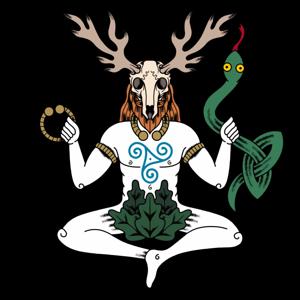
Ancient Origins: We trace Krampus's lineage to pre-Christian horned figures like the Roman fauns, Greek satyrs, the Celtic god Cernunnos, and the terrifying processions of the Wild Hunt.
The Banishment: We look at how both the Catholic Church (Inquisition) and the Fascist Government of the 1930s tried—and failed—to suppress the unruly traditions of the Krampuslauf.
Early Commercialism: We detail his earlier, slightly gentler moment on Krampus Kards between the 1890s and World War I.
The Cousins in Terror
The dark enforcer is an endemic European concept. We meet Krampus’s equally terrifying relatives:
Knecht Ruprecht (Germany): The shaggy farmhand who uses switches and has an ash-smeared face.
Hans Trapp (France): A demonised, excommunicated 15th-century knight and land-grubber whose crimes merged with folklore.
Perchta (The Alps): The ancient figure who embodies light and dark, famous for being the Belly-Slitter, who replaces organs with rubbish.
Zwarte Piet (Netherlands): The contentious literary creation of a "Blackamoor" who accompanies Sinterklaas.
The Wessex Parallel
The Dorset Ooser: We explore our local, terrifying, horned, wooden head used to scare children and enforce morality in Skimmington Riding. The original Ooser disappeared after 1897, possibly incinerated by a priest.
The Mari Lwyd (Wales): The bizarre Yuletide hobby horse constructed around a horse’s skull that demands entry to houses via rhyming contests.
Modern Survival
We analyse why Krampus is thriving today, from the chaotic, sanctioned costumed riots of the Krampuslauf to his role as the anti-Santa in pop-culture, films, and "ugly Christmas jumpers." The controversy continues today, with Christian leaders in America still trying to ban the runs, confirming his enduring power as a symbol of the uncontrollable.
Final Thought: As Al Ridenour writes, "If nothing is bad, nothing is good." These dark companions are the necessary, ancient contrast needed to truly appreciate the light of Christmas.
Hosted on Acast. See acast.com/privacy for more information.
 View all episodes
 By Craig Brooks
It’s the Christmas season, so forget the jingle bells! This week, the Wyrdo's dive into the dark heart of European Christmas folklore, exploring the chaotic, shaggy-haired creature who is here to punish the naughty, not just ignore them: Krampus!
We explore the terrifying Alpine beast, his roots in ancient pagan worship, and the enduring need for a dark companion to Saint Nicholas.
The Horned Horror of Krampusnacht
The Beast: We define Krampus—the monstrous, half-goat, half-demon figure from Central and Eastern Alpine folklore—and confirm that Krampusse (the plural) are an entire class of entity, not just an individual.
The Tools: We look at his terrifying methods: appearing on Krampusnacht (December 5th) to use birch branches (the Ruten) and chains, leaving the truly wicked to be stuffed into his sack and dragged to hell.
The Saints: We contrast Krampus with the original Saint Nicholas—a Christian Bishop who performed countless miracles, slapped a heretic at the Council of Nicaea, and resurrected the three Pickled Boys from a butcher's brine barrel!
Pagan Roots, Bans, and the Wild Hunt
Ancient Origins: We trace Krampus's lineage to pre-Christian horned figures like the Roman fauns, Greek satyrs, the Celtic god Cernunnos, and the terrifying processions of the Wild Hunt.
The Banishment: We look at how both the Catholic Church (Inquisition) and the Fascist Government of the 1930s tried—and failed—to suppress the unruly traditions of the Krampuslauf.
Early Commercialism: We detail his earlier, slightly gentler moment on Krampus Kards between the 1890s and World War I.
The Cousins in Terror
The dark enforcer is an endemic European concept. We meet Krampus’s equally terrifying relatives:
Knecht Ruprecht (Germany): The shaggy farmhand who uses switches and has an ash-smeared face.
Hans Trapp (France): A demonised, excommunicated 15th-century knight and land-grubber whose crimes merged with folklore.
Perchta (The Alps): The ancient figure who embodies light and dark, famous for being the Belly-Slitter, who replaces organs with rubbish.
Zwarte Piet (Netherlands): The contentious literary creation of a "Blackamoor" who accompanies Sinterklaas.
The Wessex Parallel
The Dorset Ooser: We explore our local, terrifying, horned, wooden head used to scare children and enforce morality in Skimmington Riding. The original Ooser disappeared after 1897, possibly incinerated by a priest.
The Mari Lwyd (Wales): The bizarre Yuletide hobby horse constructed around a horse’s skull that demands entry to houses via rhyming contests.
Modern Survival
We analyse why Krampus is thriving today, from the chaotic, sanctioned costumed riots of the Krampuslauf to his role as the anti-Santa in pop-culture, films, and "ugly Christmas jumpers." The controversy continues today, with Christian leaders in America still trying to ban the runs, confirming his enduring power as a symbol of the uncontrollable.
Final Thought: As Al Ridenour writes, "If nothing is bad, nothing is good." These dark companions are the necessary, ancient contrast needed to truly appreciate the light of Christmas.
Hosted on Acast. See acast.com/privacy for more information.