
Sign up to save your podcasts
Or

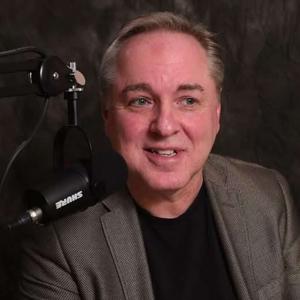

In this beginner-friendly photography tutorial, we dive deep into aperture — one of the most important and creative controls on your camera. Learn exactly how aperture works, what those f-numbers mean (f/2, f/2.8, f/4, f/5.6, f/8, etc.), and how changing the aperture gives you powerful control over depth of field.
Support the channel: Join as a member or buy me a coffee
https://buymeacoffee.com/mikekovaliv ☕
Need a great value lens? Save an extra 10%
https://ttartisan.store/?ref=MikeKovaliv
You'll discover:
Why smaller numbers = bigger lens opening (more light + blurrier background)
How to shoot in Aperture Priority mode
The creative difference between wide apertures (dreamy, isolated subjects) and narrow apertures (sharp landscapes)
Real side-by-side examples showing the same shot at different f-stops
When to use each setting for portraits, landscapes, and more
Perfect for beginners who want to move beyond Auto mode and start creating better photos.
Recommended Gear:
A 50mm prime lens is mentioned as an excellent budget option for achieving beautiful background blur.
Timestamps:
00:00 Introduction to Aperture
00:15 Quick Review of Camera Basics
01:05 Setting Up Aperture Priority (Auto ISO)
01:37 Understanding f-stops & Full Stops
03:23 Side-by-Side Aperture Comparison
03:39 f/4 Example
04:11 f/5.6 Example
04:37 f/8 Example
04:54 f/2.8 & f/2 Examples (Maximum Blur)
05:58 Creative Applications (Landscapes vs Portraits)
06:50 Experiment & Practice Tips
07:21 Kit Lens Limitations & 50mm Lens Recommendation
If you're just starting out with photography, understanding aperture is one of the best first steps you can take.
Drop a comment with your favorite aperture setting or what type of photography you're into!
👍 Like if this helped!
🔔 Subscribe for more beginner photography tutorials
Thanks for watching!
#photographyforbeginners #CameraSetup #FirstCamera #MirrorlessTutorial #DSLRTutorial #ExposureTriangle #AperturePriority #Basicsofphotography #BeginnerPhotography #PhotographyTips #MikeKovaliv
 View all episodes
 By Mike Kovaliv
In this beginner-friendly photography tutorial, we dive deep into aperture — one of the most important and creative controls on your camera. Learn exactly how aperture works, what those f-numbers mean (f/2, f/2.8, f/4, f/5.6, f/8, etc.), and how changing the aperture gives you powerful control over depth of field.
Support the channel: Join as a member or buy me a coffee
https://buymeacoffee.com/mikekovaliv ☕
Need a great value lens? Save an extra 10%
https://ttartisan.store/?ref=MikeKovaliv
You'll discover:
Why smaller numbers = bigger lens opening (more light + blurrier background)
How to shoot in Aperture Priority mode
The creative difference between wide apertures (dreamy, isolated subjects) and narrow apertures (sharp landscapes)
Real side-by-side examples showing the same shot at different f-stops
When to use each setting for portraits, landscapes, and more
Perfect for beginners who want to move beyond Auto mode and start creating better photos.
Recommended Gear:
A 50mm prime lens is mentioned as an excellent budget option for achieving beautiful background blur.
Timestamps:
00:00 Introduction to Aperture
00:15 Quick Review of Camera Basics
01:05 Setting Up Aperture Priority (Auto ISO)
01:37 Understanding f-stops & Full Stops
03:23 Side-by-Side Aperture Comparison
03:39 f/4 Example
04:11 f/5.6 Example
04:37 f/8 Example
04:54 f/2.8 & f/2 Examples (Maximum Blur)
05:58 Creative Applications (Landscapes vs Portraits)
06:50 Experiment & Practice Tips
07:21 Kit Lens Limitations & 50mm Lens Recommendation
If you're just starting out with photography, understanding aperture is one of the best first steps you can take.
Drop a comment with your favorite aperture setting or what type of photography you're into!
👍 Like if this helped!
🔔 Subscribe for more beginner photography tutorials
Thanks for watching!
#photographyforbeginners #CameraSetup #FirstCamera #MirrorlessTutorial #DSLRTutorial #ExposureTriangle #AperturePriority #Basicsofphotography #BeginnerPhotography #PhotographyTips #MikeKovaliv