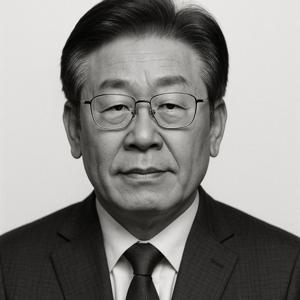
Lee Jae-myung Biography Flash a weekly Biography.
The past few days have been a whirlwind for President Lee Jae-myung, with developments that reach across political, social, and diplomatic arenas and signal major biographical inflection points. According to Korea JoongAng Daily and The Korea Times, Lee made headlines this week by ordering a zero-tolerance crackdown on hate speech, racism, and disinformation, declaring these as “crimes that must be eradicated” and threats to both democracy and everyday life. He didn’t mince words in Tuesday’s Cabinet meeting, where he called for stern legal punishment and even proposed fines for online platforms that fail to address hateful content. This was in direct response to a surge in far-right, anti-China demonstrations and recent revelations about racist comments made by the head of the Korean Red Cross—a major story that further propelled Lee’s anti-discrimination legislative push.
On the political front, Maeil Business Newspaper and Yonhap News Agency reported Lee is going big on rooting out what he calls “insurgency forces”—public officials accused of sympathizing with the previous administration’s martial law attempt last December. This means personnel purges, high-level investigations, and even digital forensics of civil servant activity over a wide timespan. Lee has been clear: disciplinary action is a priority alongside criminal probes by special prosecutors. Notably, former Prime Minister Hwang Kyo-ahn was detained in connection with insurrection allegations, and Lee is supporting a sweeping task force across ministries to ensure this reckoning hits every corner of government.
Business and infrastructure news is also swirling. The Straits Times just reported Lee plans to return the presidential office to Cheong Wa Dae by early December, fulfilling a visible campaign pledge and setting the stage for a symbolic shift in administration style. Meanwhile, regional cooperation and decentralization are top themes: Lee told central and local government heads he wants to break from Seoul-centric governance, promising relocation of public institutions to the regions. The Asia Cable and Korea JoongAng Daily captured these public appearances, highlighting Lee’s push for fiscal decentralization and his bid to make local governments “stronger and equal partners.”
Notably on the diplomatic front, Lee met Japan’s new Prime Minister Sanae Takaichi at APEC in South Korea, reaffirming shuttle diplomacy and spending a half hour with Xi Jinping in a show of active engagement on regional stability. Chinese officials openly called on South Korea to address anti-China protests, and Lee stood firm on suppressing hate while also urging improved bilateral sentiment.
As for social media, both official channels and wider coverage reflect Lee’s messages about punitive measures against ticket scalping, with penalties up to thirty times the value of ticket sales floated in public statements. No credible unconfirmed reports or rumors have meaningfully shaped this week’s news cycle.
So whether the story is Lee’s tough stance against hate or his sweeping government reforms, the past 24 hours have solidified his profile as a president committed to principled action and systemic change. Thanks for listening to Lee Jae-myung Biography Flash. Subscribe to never miss an update and search “Biography Flash” for more great biographies.
Get the best deals https://amzn.to/4mMClBv
This content was created in partnership and with the help of Artificial Intelligence AI



 View all episodes
