
Sign up to save your podcasts
Or

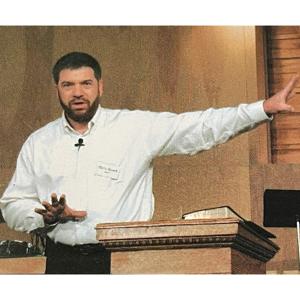

The central message of this sermon is that godly leadership is not about grand gestures or miraculous interventions, but rather about careful observation, planning, and discretion. It's about leading people in God's work, which requires a deep understanding of what God wants done and how to accomplish it through natural means and sanctified common sense. Nehemiah's example illustrates this principle as he takes time to observe the situation, gather information, and plan his approach before embarking on rebuilding the walls of Jerusalem. The sermon advances the belief that true leadership is not about personal ambition or desire for recognition, but rather about serving God's purposes and trusting in His power and guidance. The takeaway is that effective leaders must be attentive to God's will, invest time in study and prayer, and lead people in a way that reflects God's values and priorities.
 View all episodes
 By cstpb
5
22 ratings
The central message of this sermon is that godly leadership is not about grand gestures or miraculous interventions, but rather about careful observation, planning, and discretion. It's about leading people in God's work, which requires a deep understanding of what God wants done and how to accomplish it through natural means and sanctified common sense. Nehemiah's example illustrates this principle as he takes time to observe the situation, gather information, and plan his approach before embarking on rebuilding the walls of Jerusalem. The sermon advances the belief that true leadership is not about personal ambition or desire for recognition, but rather about serving God's purposes and trusting in His power and guidance. The takeaway is that effective leaders must be attentive to God's will, invest time in study and prayer, and lead people in a way that reflects God's values and priorities.