
Sign up to save your podcasts
Or

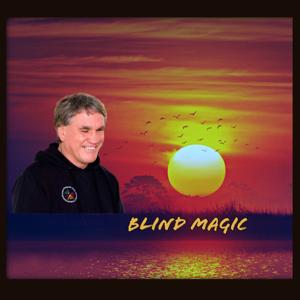

Blind Magic in Alice Springs — Episode 1483 with presenter and host Murray Stewart. In this solo episode Murray reflects on how hard times shape us and the practical, learned strategies that help him navigate fear and disorientation after his strokes. Drawing on vivid childhood memories of wandering the bush with his identical twin and their loyal border collie, Murray explains how those early experiences of getting lost taught him timeless coping skills.
The episode covers the emotional and physical impact of post-stroke epilepsy and loss of spatial awareness for someone who is totally blind, how anxiety can trigger seizures, and why rapid self-calming is essential. Murray describes step-by-step techniques he still uses today: standing still, waiting for the mind to calm, calling for help, using sound and echoes to re-establish bearings, and relying on familiar tactile and auditory cues around the home.
Key points include the importance of skill development through difficult experiences, the role of faith in seeing trials as character-building, and practical advice for anyone—particularly people with vision loss—who faces sudden disorientation. This episode is a personal, hopeful exploration of resilience, clear coping strategies for moments of fear, and how the lessons from childhood can continue to guide us decades later.
 View all episodes
 By bridgeovermurray
Blind Magic in Alice Springs — Episode 1483 with presenter and host Murray Stewart. In this solo episode Murray reflects on how hard times shape us and the practical, learned strategies that help him navigate fear and disorientation after his strokes. Drawing on vivid childhood memories of wandering the bush with his identical twin and their loyal border collie, Murray explains how those early experiences of getting lost taught him timeless coping skills.
The episode covers the emotional and physical impact of post-stroke epilepsy and loss of spatial awareness for someone who is totally blind, how anxiety can trigger seizures, and why rapid self-calming is essential. Murray describes step-by-step techniques he still uses today: standing still, waiting for the mind to calm, calling for help, using sound and echoes to re-establish bearings, and relying on familiar tactile and auditory cues around the home.
Key points include the importance of skill development through difficult experiences, the role of faith in seeing trials as character-building, and practical advice for anyone—particularly people with vision loss—who faces sudden disorientation. This episode is a personal, hopeful exploration of resilience, clear coping strategies for moments of fear, and how the lessons from childhood can continue to guide us decades later.